

How Food Insecurity Threatens Our Future
From Crisis to Action: Confronting the Future of Food Insecurity
Across the world, empty shelves and rising prices are becoming warning signs of a deeper problem, food insecurity. It’s no longer an issue limited to distant regions or low-income households. Today, supply chains are strained, climate extremes are destroying crops, and conflicts are disrupting access to essential resources. The result is a global system that feels increasingly fragile.
But the story isn’t all bleak. From regenerative farming to urban gardens and AI-powered food tracking, innovative solutions are starting to take root. Governments, communities, and everyday people are rethinking how food is produced, distributed, and consumed.
The future of food will depend on choices made now—choices that can transform crisis into opportunity. Understanding where the risks lie, and how change is already underway, is key to ensuring that no one is left hungry in the years ahead.

Understanding the Root Causes of Food Insecurity Today
Food insecurity isn’t just about a lack of food. It’s about access, affordability, and stability. Millions of people around the world face tough choices every day — pay the bills or put food on the table. And the truth is, food insecurity can happen anywhere, to anyone.
So, what’s really behind this growing problem? Let’s dig in.
The Rising Cost of Living
One of the biggest drivers of food insecurity today is the cost of living. Prices for food, fuel, and housing have all gone up — and wages haven’t kept pace. For many families, even small price increases can push them over the edge. It’s not just about buying groceries; it’s about stretching every dollar until payday.
When food costs rise faster than income, people often cut corners — choosing cheaper, less nutritious options or skipping meals altogether. Over time, that takes a toll on both health and well-being.
But this issue goes deeper than economics. Climate change, supply chain disruptions, and even conflicts around the world all play a role. Droughts and floods reduce harvests. Transportation costs soar when fuel prices spike. Wars and political unrest disrupt food production and exports.
And then there’s the local side of it — the food deserts that exist in many communities. These are places where it’s hard to find affordable, fresh, and healthy food. If your nearest grocery store is miles away, or if fresh produce costs twice as much as processed food, the odds are stacked against you.
It’s easy to think food insecurity is a problem that only affects others, but it’s closer to home than most people realize. The key to tackling it starts with understanding these root causes — and working together to create fairer, more resilient food systems.
Because in the end, access to healthy food shouldn’t be a privilege. It should be a basic right.
How Climate Change Is Reshaping What’s on Our Plates
Climate change isn’t just about rising seas or hotter summers. It’s also quietly changing what ends up on our dinner tables. From the coffee we sip in the morning to the chocolate we crave at night, the foods we love are feeling the heat — quite literally.
Farmers across the globe are struggling to keep up with shifting weather patterns. Droughts, floods, and unpredictable seasons are reducing crop yields and making some foods harder to grow. Wheat and rice, for instance, are becoming more vulnerable to heat waves. Even seafood is at risk as ocean temperatures climb and ecosystems shift.
These changes ripple through the food chain. Coffee beans are producing lower yields, and cocoa trees — the heart of chocolate — are threatened by prolonged dry spells. Meanwhile, beef and dairy production face stress as animals struggle with higher temperatures and less available feed.
What does this mean for us? Prices could rise, favorite foods might become seasonal luxuries, and our diets could look very different in just a few decades. But there’s also a silver lining — this shift is inspiring innovation. Farmers are testing heat-tolerant crops, scientists are improving food resilience, and more people are exploring sustainable eating.
Here’s a look at how different foods are being affected around the world:
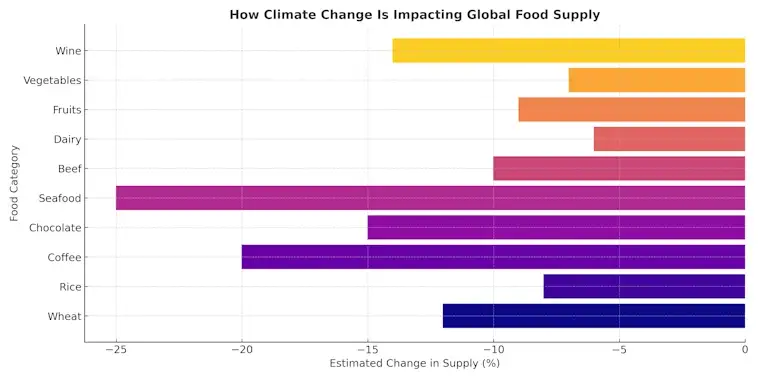
The takeaway? Climate change is already reshaping what’s on our plates. But with awareness and action, we can adapt — and even build a more resilient food future.
Innovative Solutions to Tackle Food Insecurity Head-On
Food insecurity isn’t just a distant problem—it’s happening in communities all around us. With rising costs, climate challenges, and supply chain issues, putting healthy food on the table has become harder for many families. But here’s the good news: creative and forward-thinking solutions are changing the game.
Around the world, people are finding smart, sustainable ways to make sure everyone gets access to nutritious food. These ideas aren’t just band-aid fixes—they’re shaping a more resilient future for how we grow, share, and eat.
Let’s look at some of the most promising innovations making a real difference:
- Urban farming and vertical gardens: Empty lots, rooftops, and even walls are being transformed into mini-farms. These local systems cut transportation costs and bring fresh produce closer to home.
- Food rescue networks: Apps and community groups are connecting restaurants, grocery stores, and households to redistribute surplus food instead of wasting it.
- Smart farming technology: From precision irrigation to AI-powered crop monitoring, new tech is helping farmers produce more with fewer resources.
- Community-supported agriculture (CSA): These programs link local farmers directly with consumers, ensuring fair prices and steady access to seasonal produce.
- Alternative proteins: Think plant-based meats, lab-grown seafood, and insect-based snacks. These innovations help reduce pressure on traditional farming and open new food frontiers.
- Educational initiatives: Schools and local groups are teaching families about nutrition, cooking, and growing food—empowering people to take control of their food security.
These solutions prove that tackling food insecurity isn’t just about producing more—it’s about rethinking how we share, use, and value food. When innovation meets compassion, real change happens.
The Power of Local Communities in Building Food Resilience
When we think about food security, it’s easy to picture big farms and global supply chains. But real change often starts much closer to home — in our neighborhoods, gardens, and local markets. Across towns and cities, people are rediscovering the power of community-based food systems that put resilience and connection at the center.
Local initiatives like community gardens, urban farms, and farmers’ markets do more than grow food. They build trust, share knowledge, and create safety nets when global systems falter. These networks help reduce food miles, support small producers, and ensure that fresh, healthy food stays available — even in times of crisis.
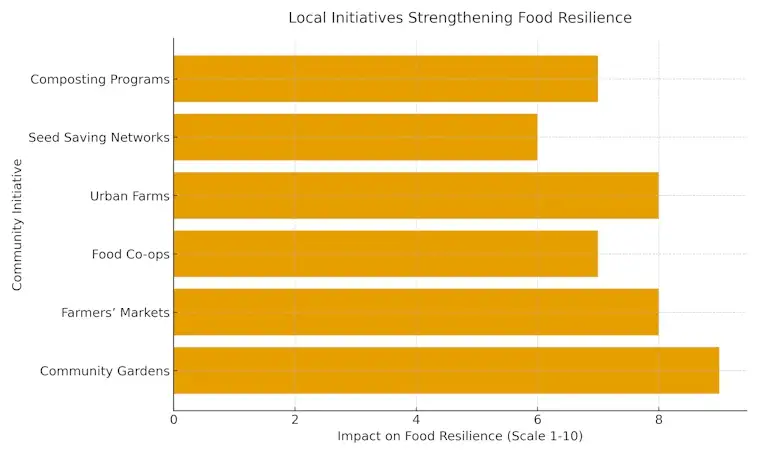
The beauty of local action is that it scales naturally. A single garden plot can inspire others, and soon an entire block may be growing its own produce. The ripple effect is powerful — turning everyday people into changemakers and creating a more resilient, self-sustaining food future for everyone.
A Path Forward: Reimagining Global Food Systems for Tomorrow
The way we grow, distribute, and consume food is changing faster than ever. Yet, millions still go hungry every day. It’s a tough truth to face, but it’s also a call to action. We have the tools, knowledge, and technology to create a food system that works for both people and the planet — if we’re willing to rethink how it all fits together.
The global food system of tomorrow doesn’t have to look like the one we know today. Imagine farms powered by clean energy, crops grown with less water, and local markets thriving in both cities and rural areas. It’s not a distant dream — it’s a direction we can move toward right now.
When we talk about reimagining food systems, it’s not just about innovation. It’s also about fairness. That means supporting small farmers, reducing waste, and making nutritious food affordable for everyone. It’s about shifting from short-term fixes to long-term resilience.
Tackling Food Insecurity with Smarter Solutions
Food insecurity isn’t only about lack of food — it’s about access, stability, and opportunity. In many places, people have food nearby but can’t afford it. Others face droughts, floods, or conflicts that disrupt supply chains overnight. These are not isolated issues; they’re signs of a system stretched to its limits.
Smarter solutions start with collaboration. Governments, businesses, and communities must work together to strengthen local food networks. Better storage, sustainable transport, and digital tools can connect farmers directly with consumers, reducing waste and improving livelihoods.
We can’t solve everything at once, but every step counts. Supporting regenerative farming, investing in clean technologies, and encouraging mindful eating all help move us toward a more secure, sustainable future.
The path forward is clear: we need a food system built for tomorrow — one that nourishes people, protects the planet, and adapts to whatever comes next.
Turning Awareness Into Action: Building a Future Where No One Goes Hungry
Food insecurity isn’t just a crisis on the horizon—it’s here, and it’s affecting millions right now. But the story doesn’t have to end in scarcity or despair. Around the world, communities, innovators, and everyday people are proving that we can build a food system that’s fair, resilient, and sustainable. It starts with awareness, but it continues with action—your action.
Whether that means reducing food waste at home, supporting local farmers, advocating for better food policies, or donating to hunger relief programs, every small step counts. Together, we can reshape how we grow, share, and value food.
Now is the moment to move from crisis to action. Let’s make sure the future of food is one of abundance and dignity for all.
Take action today—share this post, start the conversation, and be part of the solution.