

Why Land Clearing May Be the Biggest Risk to Nature
Why Land Clearing May Be the Biggest Risk to Nature
Land clearing is one of the most powerful forces reshaping our planet, yet it often happens quietly, out of sight. Forests, grasslands, and wetlands are being stripped away at alarming rates to make space for agriculture, mining, and urban growth. While it may seem like progress on the surface, the long-term costs are steep. Each cleared patch of land weakens ecosystems, drives species closer to extinction, and disrupts the natural balance that supports clean air, water, and climate stability. Understanding why land clearing is happening, and the risks it creates, is key to protecting nature for future generations.
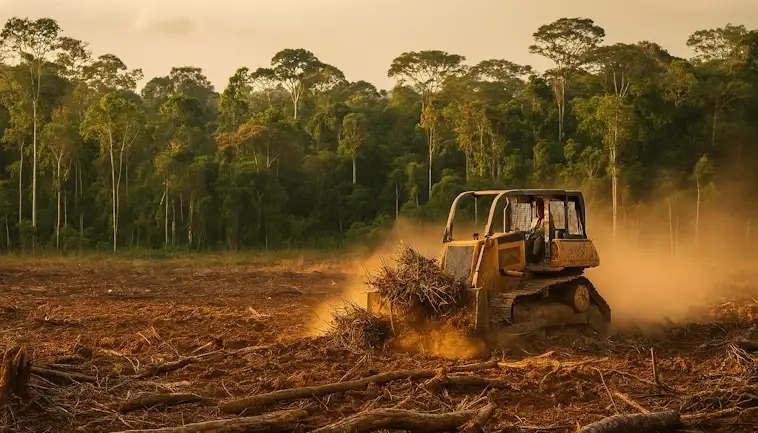
Land Clearing and Its Hidden Toll on Ecosystems
When we think of land clearing, it’s often tied to progress. More farms, new housing estates, or wider roads. On the surface, it looks like growth. But behind the bulldozers and chainsaws, there’s a quieter story we don’t always see.
Clearing land doesn’t just remove trees. It disrupts entire ecosystems. Plants vanish, animals lose their homes, and soil begins to degrade. What feels like a quick win for development can cause long-lasting damage to the environment.
The Silent Shift Beneath Our Feet
One of the biggest hidden costs of land clearing is the impact on soil health. Without tree roots to anchor the ground, soil erodes quickly. This makes it harder for future plants to grow and increases the risk of flooding. Over time, the land becomes less fertile, making farming more difficult and costly.
And then there’s the ripple effect. When forests are cleared, carbon that was locked away in trees is released into the air. This adds to climate change, making weather patterns more extreme and less predictable. Wildlife also suffers. Many species can’t adapt fast enough, leading to declining populations and, in some cases, extinction.
So the next time we see open land where a forest once stood, it’s worth asking: what have we really gained, and at what cost?
The Connection Between Deforestation and Climate Change
When we think about climate change, we often picture smokestacks, cars, or planes. But there’s another driver hiding in plain sight—deforestation. Every time forests are cleared, we lose one of our planet’s most powerful tools for capturing carbon.
Trees act like giant filters. They absorb carbon dioxide and release oxygen back into the air. When those trees are cut down or burned, the stored carbon is released, adding to the greenhouse gases already heating our planet.
Deforestation doesn’t just release carbon. It also reduces future carbon storage, weakens ecosystems, and disrupts rainfall patterns. This creates a double hit—more emissions and fewer natural defenses against them.
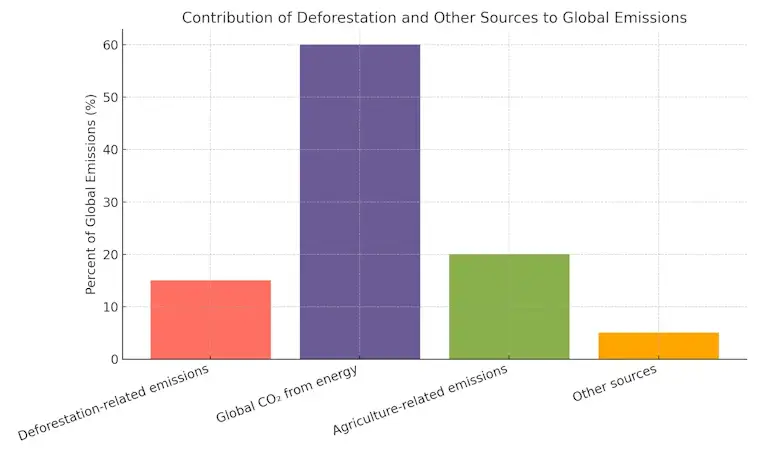
Globally, cutting down forests accounts for around 15% of carbon emissions. That’s almost as much as the entire transportation sector. By protecting and restoring forests, we can slow climate change, support biodiversity, and safeguard the air we all breathe.
Land Clearing: How It Fuels Habitat Loss and Species Decline
When we talk about land clearing, it often sounds like progress—making way for farms, homes, or new developments. But behind the bulldozers and chainsaws lies a bigger story. Every time land is cleared, natural habitats shrink. And when habitats disappear, so do the plants and animals that rely on them.
This issue isn’t happening far away—it’s global, and it’s accelerating. Forests, wetlands, and grasslands are being stripped back at a pace that wildlife can’t keep up with. Once these ecosystems are gone, they don’t bounce back easily. The result? A steep decline in biodiversity that affects us all.
Here’s why land clearing has such a direct impact on species survival:
- Loss of shelter — Trees, bushes, and ground cover provide safety from predators and extreme weather. When they’re gone, many species have nowhere to hide.
- Food sources vanish — Plants, fruits, and insects that animals rely on disappear when land is stripped bare.
- Fragmented ecosystems — Roads and cleared plots split habitats apart, making it harder for animals to migrate, breed, or find food.
- Increased human-wildlife conflict — With less space, animals are forced into farms or towns, which often ends badly for them.
- Climate impacts — Cleared land releases carbon and worsens climate change, which puts even more pressure on vulnerable species.
Land clearing is more than just an environmental issue—it’s a chain reaction. When nature loses balance, everything from local water supplies to global weather patterns feels the effect.
The good news? People are starting to pay attention. Governments, communities, and individuals are finding smarter ways to use land without destroying vital ecosystems. The choices we make today can help slow habitat loss and give endangered species a fighting chance.
Soil, Water, and Air—The Overlooked Costs of Clearing Land
When people talk about clearing land, they often focus on the immediate benefits—more space for farming, housing, or development. But what we rarely stop to consider are the hidden costs that come with it. The truth is, every time trees are cut and soil is disturbed, nature pays a price.
The soil loses nutrients and becomes more vulnerable to erosion. Water sources pick up pollutants, making rivers and streams less healthy. And the air suffers too, with dust, smoke, and lost trees reducing the very quality we breathe. These changes don’t happen overnight, but they build up quietly, shaping the future of our environment and our health.
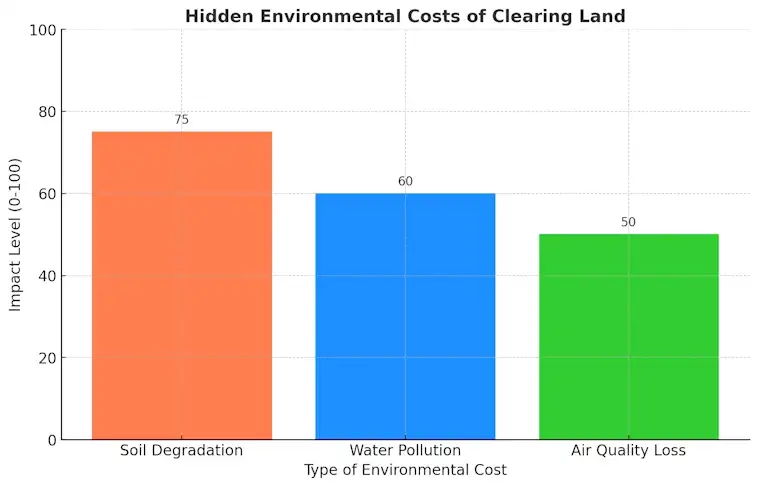
If we only look at short-term gains, we risk ignoring the long-term damage. By paying attention to these overlooked costs, we can make smarter choices that protect both people and the planet.
What Can Be Done to Reduce the Impact of Land Clearing?
When people think about land clearing, it often sounds like something far away—happening deep in the forests or on large farms. But the truth is, the impact of land clearing touches us all. From rising carbon emissions to disappearing wildlife habitats, the effects reach into our climate, food supply, and even the air we breathe. The good news is, there are ways to reduce these impacts, and many of them start with choices we can make as communities and individuals.
Smarter Land Clearing Practices for a Healthier Future
One of the most effective steps is to slow down unnecessary clearing. This means encouraging smarter land use, like replanting trees where forests have been cut and protecting areas rich in biodiversity. Farmers can also adopt sustainable techniques, such as agroforestry, which combines crops and trees to maintain soil health while still producing food.
On a bigger scale, governments and businesses can create stronger rules around deforestation. Clearer policies, better monitoring, and financial incentives for sustainable practices can make a real difference. Technology also plays a role here. Satellite mapping and drones, for example, make it easier to track land clearing and hold companies accountable.
As individuals, we can support these efforts by being more mindful of what we buy. Products like paper, beef, and palm oil are often linked to deforestation. Choosing certified sustainable options helps push demand in the right direction.
Reducing the impact of land clearing isn’t about stopping growth or farming altogether. It’s about finding smarter, more balanced ways to use the land while protecting the natural systems that keep us alive. Every step counts, and the more people who push for sustainable practices, the better chance we have of protecting our planet.
Protecting Nature Starts With Us
Land clearing isn’t just about trees being cut down—it’s about the fragile balance of ecosystems, the survival of wildlife, and the future health of our planet. Every cleared hectare is a step closer to losing irreplaceable biodiversity and natural resilience. But the story isn’t over yet. By supporting sustainable land use, raising awareness, and making conscious choices, we can slow this trend and protect the natural world we all depend on.
Now is the time to act. Whether it’s sharing this message, backing conservation efforts, or pushing for stronger environmental protections, your voice matters. Together, we can protect what’s left and build a future where both people and nature thrive.