

Ecosystem Balance: Can We Save Nature in Time?
Ecosystem Balance: Can We Save Nature in Time?
Ecosystem Balance is the foundation of life on Earth, yet today it’s under intense pressure. Forests are shrinking, oceans are warming, and countless species are disappearing at alarming rates. Because every part of nature is connected, even small disruptions create ripple effects that touch everything from the food we eat to the air we breathe. When balance breaks down, human life feels the impact too. The urgent question is whether we can act quickly enough to protect what’s left and restore what’s fading. By understanding how ecosystems function—and the threats they face—we can find solutions that safeguard both the planet and our shared future.
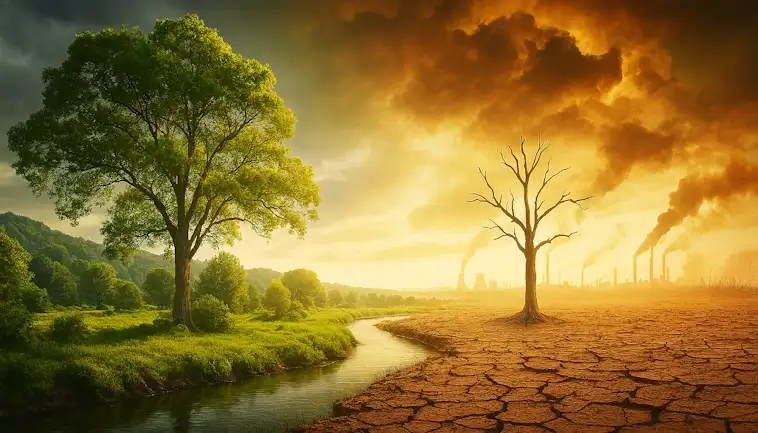
Why Ecosystem Balance Matters More Than Ever
Our planet runs on balance. Every tree, bird, insect, and drop of water plays a role in keeping life in check. When that balance tips, the effects ripple through everything—including our food, health, and even the weather we depend on.
Think about it this way. Bees may seem small, but without them pollinating, many of our crops would struggle to survive. Or consider wetlands. They don’t just provide a home for wildlife. They also act as natural filters for our water and buffers against flooding.
Yet, as human activity expands, many of these natural systems are under stress. Deforestation, pollution, and climate change disrupt delicate connections that took millions of years to form. Once they’re broken, it’s hard—sometimes impossible—to repair them.
A Hidden Cost of Ignoring Nature
When ecosystems fall out of balance, the costs show up in surprising ways. We see rising food prices when fish stocks collapse. We feel hotter summers when forests that once cooled the air are cut down. And we face more health risks as diseases spread faster in disturbed habitats.
The good news is that balance can be restored if we act now. Protecting green spaces, reducing waste, and supporting sustainable farming all help ecosystems bounce back. It’s not about saving “nature out there.” It’s about making sure our own lives remain stable, healthy, and full of possibility.
The Hidden Costs of Ignoring Nature’s Signals
When nature speaks, it’s not always with dramatic storms or blazing wildfires. Sometimes, the warnings come quietly—in higher medical bills, rising food costs, or unexpected damage to our homes and cities. Ignoring these signals doesn’t make the problem go away. Instead, it makes the costs pile up, often in ways we don’t notice until it’s too late.
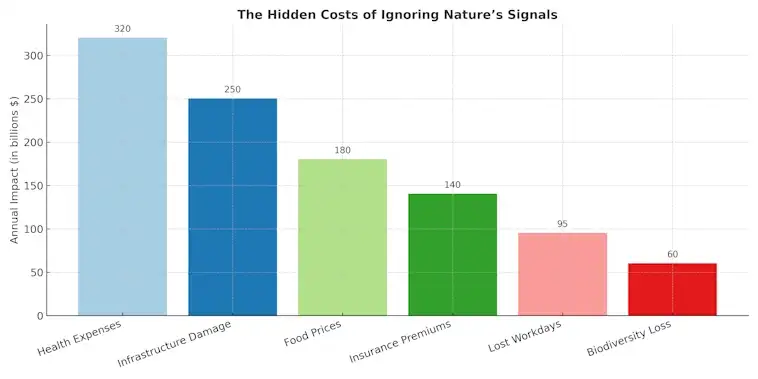
From strained healthcare systems to skyrocketing insurance premiums, the financial burden of neglecting our environment is real. It’s not just about protecting wildlife or keeping forests green—it’s about protecting our wallets, our health, and our future.
How Human Activity Disrupts Ecosystem Balance
Have you ever noticed how even small changes in nature can have big ripple effects? Our planet works like a web, with each part connected to another. When humans step in and make changes—sometimes without thinking—the balance that keeps ecosystems healthy can be thrown off. The truth is, many of the challenges our environment faces today come directly from our own actions.
From clearing forests to overfishing, we often take more than nature can give back. While these activities may bring short-term benefits, they leave long-lasting scars on the environment. Once the balance is broken, it’s hard to restore, and the impact spreads far beyond what we can see.
Here are some of the most common ways human activity disrupts ecosystems:
- Deforestation — Cutting down forests for timber, farming, or cities destroys habitats and reduces biodiversity.
- Pollution — Chemicals, plastics, and waste poison soil, air, and water, harming both wildlife and humans.
- Overfishing — Taking too many fish from the ocean upsets the food chain and endangers marine life.
- Urban expansion — Building more cities and roads fragments habitats and pushes species out of their homes.
- Climate change — Burning fossil fuels adds greenhouse gases, which change temperatures, weather, and natural cycles.
- Agricultural practices — Heavy pesticide and fertilizer use can contaminate soil and kill off vital pollinators.
These disruptions may feel distant, but they affect everyday life—our food, our air, and even our health. The good news is, by understanding the role we play, we can also be part of the solution.
Solutions That Can Restore Our Fragile Planet
Our planet may feel fragile, but it’s far from hopeless. Every challenge we face—from rising temperatures to shrinking forests—also comes with a chance to act. The good news? We already have the tools to repair the damage and build a healthier future.
First, renewable energy can cut our reliance on fossil fuels and bring cleaner air. Planting more trees and protecting forests can lock away carbon while giving us shade and fresh oxygen. Reducing waste—by reusing, recycling, and composting—helps keep plastics and toxins out of our oceans.
Shifting to cleaner transportation, like electric cars, buses, and bikes, reduces pollution in our cities. Conserving water is another simple but powerful step, since clean water is becoming more precious every year. And finally, sustainable farming makes sure the food we grow is healthy for both people and the planet.
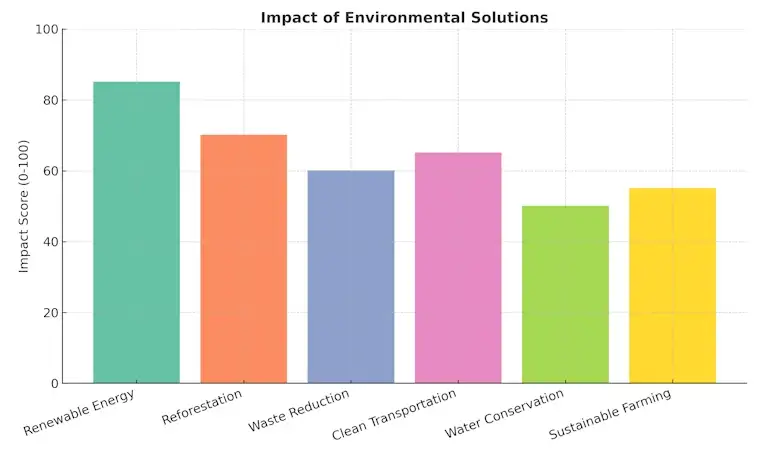
Each of these solutions works best when we combine them. Together, they can restore balance to our world and leave future generations with a planet worth inheriting.
The Role of Communities in Protecting Biodiversity
When it comes to protecting nature, governments and scientists often get the spotlight. But the truth is, everyday people play an equally important role. Communities across the world are stepping up to care for local ecosystems, and their actions make a real difference.
Think about it. A single group of neighbors planting native trees can create a safe space for birds and pollinators. A coastal village choosing to protect its mangroves helps shield fish nurseries and reduces flooding risks. These aren’t just small wins—they add up to a bigger impact on global biodiversity.
Ecosystem Balance and Local Action
Protecting biodiversity isn’t just about saving rare animals. It’s about keeping the balance of life in check. Communities are often the first to notice changes in their surroundings—like fewer bees in gardens or more flooding after heavy rain. When people act early, they can restore ecosystem balance before problems grow larger.
Local projects also build stronger connections between people and the land they depend on. From school groups running cleanup drives to farmers adopting sustainable practices, these efforts protect nature while creating pride and ownership.
In the end, community action proves that protecting biodiversity doesn’t always need massive resources. It often starts with simple choices made close to home. And when those choices spread from one neighborhood to the next, they create a powerful ripple effect for the planet.
The Time to Restore Ecosystem Balance Is Now
The health of our ecosystems directly shapes our future. From clean air and fertile soil to thriving oceans and forests, everything depends on ecosystem balance. The truth is, we still have time to protect and restore nature—but only if we act with urgency.
Your choices matter. Supporting conservation projects, reducing single-use plastics, planting native trees, or even spreading awareness can all create ripple effects that safeguard biodiversity. Every step you take strengthens the fight to keep nature in balance.
The question isn’t whether we can save nature in time—it’s whether we will. Let’s commit to action today. Start small, think big, and be part of the change our planet urgently needs.