

Nectar Shortage: The Hidden Crisis Threatening Our Bees
Nectar Shortage: The Hidden Crisis Threatening Our Bees
Bees are working harder than ever, yet many are struggling to find enough food. Across fields, gardens, and wild landscapes, nectar—their main energy source—is becoming scarce. This hidden nectar shortage is creating a serious problem, not only for bees but also for the plants and crops that depend on them for pollination.
When nectar is limited, bee colonies weaken, making it harder for them to survive changing seasons and environmental stress. The result is a chain reaction: fewer pollinators, reduced crop yields, and an impact on the biodiversity that sustains healthy ecosystems.
Scientists warn that changes in climate, intensive farming, and the loss of wildflower habitats are all contributing to this crisis. Understanding why nectar is disappearing and what can be done about it is key to protecting bees—and the future of our food supply.
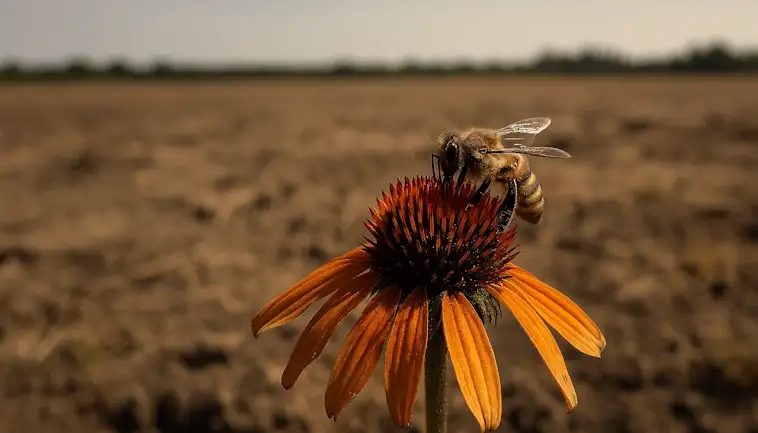
What’s Behind the Growing Nectar Shortage and Why It Matters
If you’ve noticed fewer butterflies, bees, or hummingbirds in your garden, you’re not alone. Across the world, nectar—the sweet fuel that pollinators rely on—is becoming harder to find. This shortage isn’t just bad news for wildlife. It also affects the food we eat, the flowers we grow, and the health of entire ecosystems.
So what’s driving the decline? Part of the answer lies in how we manage land. Fields, lawns, and cityscapes often replace wildflowers with uniform crops or concrete. That means fewer natural food sources for pollinators. Add in the pressures of climate change, with hotter summers and shifting seasons, and nectar supplies shrink even more.
The Hidden Link Between Flowers and Food
Here’s the thing: when nectar disappears, pollinators suffer. And when pollinators suffer, so do we. About a third of the world’s crops depend on bees, butterflies, and other nectar-loving insects. No pollinators means fewer apples, almonds, and even chocolate. The ripple effect is bigger than many people realize.
There’s also a cultural side. From the buzz of bees in a backyard garden to the flutter of butterflies in summer meadows, pollinators bring a sense of wonder. Losing them makes our environment feel emptier, less alive.
The good news? Change is possible. Planting native flowers, protecting wild spaces, and supporting sustainable farming all help boost nectar supplies. Small steps in our gardens and communities add up to a larger safety net for pollinators—and for us.
How Climate Change and Farming Practices Affect Bee Survival
Bees are more than just honey makers. They are essential pollinators that keep our food system alive. Yet, their survival is under serious pressure. Climate change and modern farming practices are creating a tough environment for them.
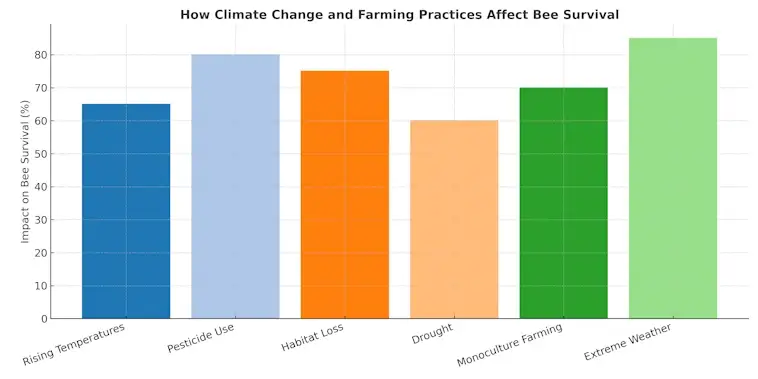
Hotter summers and unpredictable weather events leave bees struggling to adapt. Droughts reduce the flowers they depend on for nectar. At the same time, pesticides and monoculture farming limit their food sources and weaken their health. When you add habitat loss into the mix, the odds against bee survival grow even higher.
Nectar Shortage and Its Ripple Effects on Our Ecosystem
Have you ever thought about what fuels bees, butterflies, and even hummingbirds? The answer is simple: nectar. It’s their main energy source, and without it, these pollinators struggle. But here’s the bigger issue—when nectar becomes scarce, it’s not just the insects and birds that suffer. The entire ecosystem feels the impact.
Nectar shortages are becoming more common due to habitat loss, climate shifts, and reduced plant diversity. This may sound like a small change, but nature is deeply connected. When one piece of the puzzle goes missing, everything else shifts.
Here’s how a lack of nectar creates ripple effects across our environment:
- Decline in pollinators: Bees, butterflies, and hummingbirds weaken or die when they can’t find enough nectar.
- Reduced pollination: Fewer pollinators mean fewer plants and crops get fertilized, leading to lower yields.
- Food chain disruption: Birds, mammals, and even humans depend on plants that rely on pollination.
- Biodiversity loss: As pollinators decline, so do the plants and animals that depend on them.
- Economic strain: Farmers and food systems face higher costs and lower harvests when pollination drops.
What looks like a shortage of a sweet liquid is actually a warning sign. Nectar is more than just food for pollinators—it’s fuel for the cycle of life. Protecting nectar sources means protecting the balance of our planet.
The Role of Wildflowers and Habitats in Supporting Pollinators
When we think about pollinators, honeybees often steal the spotlight. But the truth is, many creatures—from butterflies to beetles—play a vital role in keeping our food systems and ecosystems alive. What they all have in common is their need for healthy habitats filled with diverse wildflowers.
Wildflowers are more than just pretty splashes of color in a field. They’re food stations for pollinators, offering nectar and pollen that sustain them throughout the year. Different habitats, such as meadows, hedgerows, and even road verges, create safe spaces for these insects to thrive. The more variety we provide, the stronger our pollinator populations become.
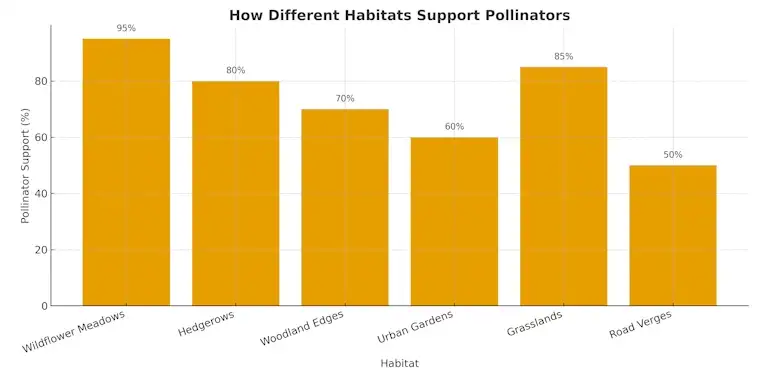
Think of it this way: every patch of wildflowers is like a pit stop on a long journey. Without enough of these pit stops, pollinators struggle to survive—and our food supply takes a hit. By protecting and planting these habitats, we’re not only helping pollinators, we’re also supporting healthier farms, greener cities, and richer biodiversity.
Simple Steps You Can Take to Help Bees Thrive Again
Bees are struggling, but the good news is that small actions can make a big difference. You don’t need to be a beekeeper to help. In fact, anyone with a balcony, backyard, or even a window box can play a role in giving bees a better chance to survive and thrive.
Think about it. Bees are behind one out of every three bites of food we eat. Without them, many of our favorite fruits, vegetables, and nuts wouldn’t exist. That’s why creating a bee-friendly environment around your home matters more than ever.
Nectar Shortage: Why Your Garden Can Make a Difference
One of the biggest challenges bees face today is a lack of food. Urban growth and pesticide use have stripped away many of their natural feeding grounds. But you can help fill that gap. Planting native flowers, herbs, and shrubs that bloom at different times of the year gives bees a steady food supply. Lavender, sunflowers, and wildflowers are great choices.
You can also skip the chemicals. Pesticides might protect your plants, but they can be deadly for bees. Choosing natural alternatives keeps your garden safe for pollinators.
Don’t forget about water. Bees need a drink too. A shallow dish with fresh water and a few pebbles for landing can be a lifesaver during hot days.
Even small steps like these add up. When more of us create welcoming spaces for bees, we build a patchwork of safe havens that can help their populations recover.
Protecting Bees Means Protecting Our Future
The nectar shortage isn’t just a problem for bees—it’s a warning sign for all of us. Without enough nectar, bees struggle to survive, and when they disappear, our food systems and ecosystems suffer too. The good news is that each of us can make a difference. From planting pollinator-friendly flowers to supporting sustainable farming, small actions add up to big change.
If we want thriving gardens, healthy crops, and a balanced planet, we need to stand with the bees now. Let’s turn awareness into action. Start today—plant something, share this message, and help ensure a buzzing, vibrant future for generations to come.