

Is Climate Stress Quietly Reshaping Your Future?
Is Climate Stress Quietly Reshaping Your Future?
Climate stress is no longer a distant concern—it’s already shaping the way we live, work, and plan for the future. From unexpected heatwaves to shifting rainfall patterns, the signs are all around us. Yet, many of these changes creep in quietly, influencing food prices, public health, and even where people can safely live.
What makes climate stress so important is how it affects daily life in ways that often go unnoticed until they reach a tipping point. It can strain local economies, put pressure on infrastructure, and challenge personal well-being. At the same time, it raises questions about how prepared we really are for the decades ahead.
Understanding these subtle but powerful shifts is the first step toward building resilience. By looking closely at the challenges—and the opportunities—they bring, we can start to see a clearer picture of what the future may hold.
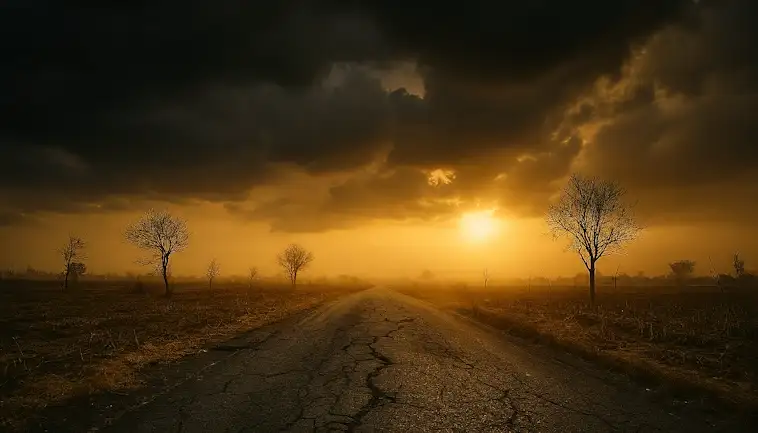
Climate Stress Explained: The Invisible Force Behind Global Change
When we talk about climate change, we usually picture melting ice caps, wildfires, or stronger storms. But beneath these visible signs, there’s another force at play. It’s something we don’t often see or name directly: climate stress.
Climate stress is the hidden pressure created by rising temperatures, shifting weather, and disrupted ecosystems. It doesn’t just affect the planet—it affects us too. Farmers face unpredictable growing seasons. Cities deal with flooding that strains old infrastructure. Even our health can suffer, with heatwaves making everyday life harder to manage.
Why Small Changes Matter
One of the surprising things about climate stress is how small changes can ripple through entire systems. A few degrees warmer can reduce crop yields, which then affects food prices and global markets. Longer droughts put stress on water supplies, pushing communities to compete for resources. It’s a chain reaction, and it spreads quietly until we feel its full impact.
The invisible nature of climate stress makes it easy to overlook, yet it’s shaping global change in ways we can’t ignore. The more we understand it, the better prepared we’ll be to adapt and build solutions that protect both people and the planet.
Why Rising Temperatures Are Already Reshaping Your Everyday Life
It’s easy to think of climate change as something far away, a challenge for future generations. But the truth is, rising temperatures are already reshaping the way you live today. You might not notice it at first, but it’s there—in your wallet, your routines, and even your health.
Hotter summers mean higher energy bills as air conditioners run longer. Sleep is harder when nights don’t cool down. Outdoor plans often get canceled when heat waves strike. Even grocery prices creep up as crops struggle under extreme heat. These aren’t distant problems; they’re daily realities happening now.
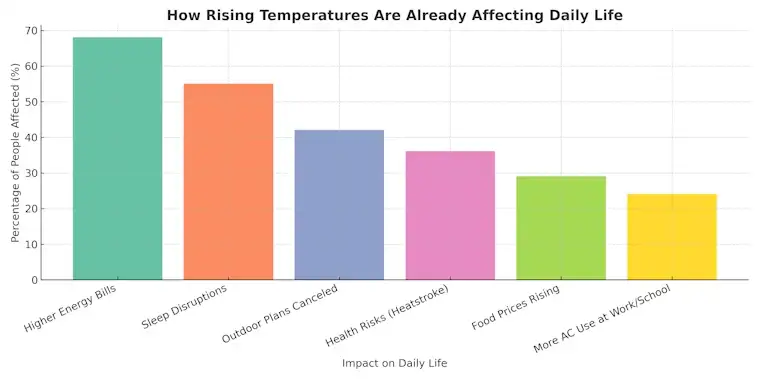
And as temperatures keep rising, these impacts will only grow. The changes are personal, immediate, and closer to home than most of us realize.
Climate Stress and the Hidden Risks to Your Health and Security
When we think about climate change, we often picture melting ice caps or rising seas. But the real story is also much closer to home. Climate stress doesn’t just reshape the environment. It quietly shapes our health, safety, and daily lives in ways we may not notice until it’s too late.
Extreme heat, worsening storms, and unpredictable weather patterns all add pressure to our communities. These stresses create ripple effects that reach into your home, your workplace, and even your personal sense of security. The risks aren’t just environmental—they’re deeply personal.
Here are some of the hidden ways climate stress can impact your health and security:
- Heat waves strain your body — raising the risk of dehydration, heat stroke, and heart problems.
- Air quality declines — polluted air worsens asthma, allergies, and other respiratory issues.
- Food systems weaken — droughts and floods disrupt food supplies, making healthy options harder to access.
- Water safety is threatened — heavy rains and floods can contaminate local water sources.
- Disease patterns shift — warmer climates allow mosquitoes and ticks to spread illnesses to new areas.
- Homes and infrastructure are at risk — stronger storms damage housing, roads, and power grids, leaving people vulnerable.
- Mental health suffers — uncertainty, displacement, and constant stress can fuel anxiety and depression.
These risks don’t just exist in faraway places. They’re unfolding in cities, towns, and neighborhoods all around us. Recognizing them now helps us prepare, protect our health, and build stronger, safer communities.
From Food Prices to Jobs: The Ripple Effects of a Warming World
A warming world doesn’t just change the weather—it reshapes our daily lives. From the food we buy to the jobs we depend on, the ripple effects are already here.
Take food prices. Hotter summers and unpredictable rainfall make crops harder to grow, which pushes up costs at the grocery store. Farmers, who rely on steady seasons, face job losses as fields dry out or flood. Meanwhile, healthcare systems are strained as heatwaves trigger more illnesses. Even our energy bills and insurance premiums climb as extreme weather puts extra pressure on homes and infrastructure.
And then there’s migration. When people can’t work their land or keep their families safe, they’re forced to move. This isn’t just happening far away—it’s becoming a reality in more and more regions.
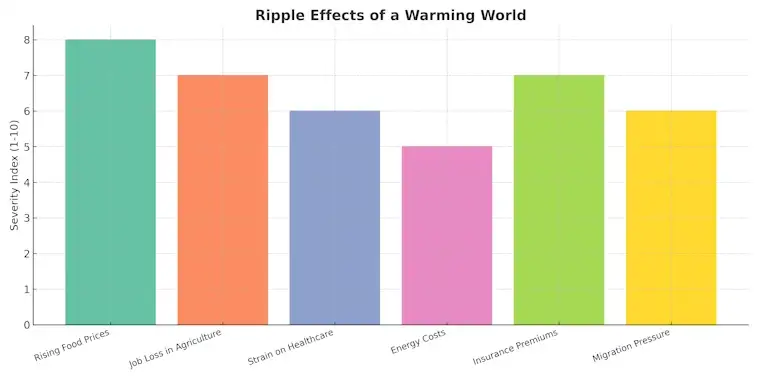
The big picture? Climate change is no longer just an environmental issue. It’s an economic, social, and human story that touches us all.
How to Adapt and Thrive in an Era of Uncertainty
We live in unpredictable times. From sudden changes in the economy to shifts in our climate, the only constant seems to be change itself. That can feel overwhelming, but it doesn’t have to hold you back. In fact, learning how to adapt is one of the most valuable skills you can build today.
Adapting doesn’t mean giving up on stability—it means learning to be flexible. It’s about finding ways to move forward, even when the path ahead looks unclear. And the good news is, resilience is something anyone can develop.
Building Strength in the Face of Climate Stress
One of the biggest sources of uncertainty today is climate stress. Rising temperatures, extreme weather, and shifting seasons are already affecting our daily lives. But instead of focusing only on what we can’t control, we can start with what we can. That might mean preparing your home for heatwaves, supporting local businesses that value sustainability, or simply learning new ways to stay connected with your community during tough times.
The key is to think small and steady. Every choice you make adds up, whether it’s cutting down on waste, staying informed, or building habits that improve your mental health. Over time, these steps create a stronger foundation for whatever comes next.
Thriving in uncertainty isn’t about predicting the future. It’s about being ready for it. With the right mindset and actions, you can turn challenges into opportunities—and inspire others to do the same.
The Bottom Line: Your Role in a Climate-Stressed Future
Climate stress isn’t just a distant worry—it’s already shaping our daily choices, our health, and even our sense of security. The good news is that by staying informed and taking small but meaningful actions, you can help steer the future in a more hopeful direction. Whether it’s reducing waste, supporting clean energy, or simply starting conversations about climate resilience, your voice matters.
If you found this article helpful, share it with a friend and keep the conversation going. And if you’d like to explore practical ways to prepare for a changing world, subscribe to our newsletter for tips, insights, and resources delivered straight to your inbox.
Your future is being shaped right now. The question is—how will you shape it?