

Unlimited Soot Particles: The Toxic Threat You Can’t See
Unlimited Soot Particles: The Toxic Threat You Can’t See
Soot particles are one of the most toxic forms of air pollution, yet they remain almost invisible to the human eye. These microscopic specks slip deep into the lungs and even enter the bloodstream, causing damage that builds silently over time. Linked to heart disease, asthma, cancer, and premature death, soot is far more than just a nuisance from smoke or exhaust. It is a persistent threat hiding in plain sight. As cities grow, traffic increases, and industries expand, the risks rise with every breath we take. Understanding where soot particles come from and how they harm human health is the first step toward protecting ourselves and shaping a cleaner future.
What Are Soot Particles and Why They’re So Dangerous
Let’s talk about something you can’t always see — but it’s affecting the air you breathe every single day.
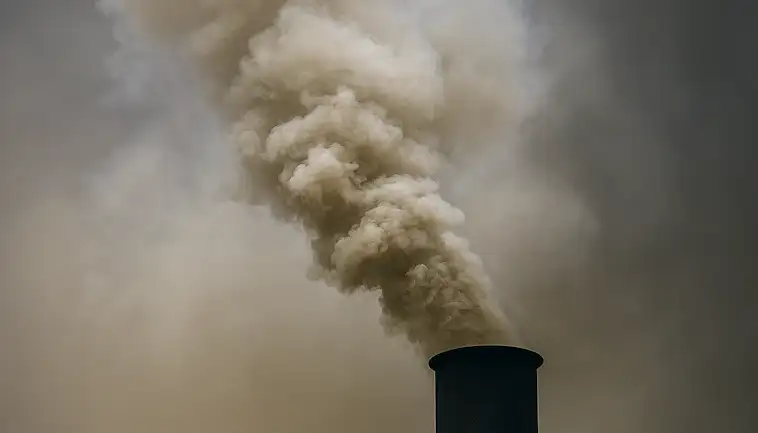
Soot particles are tiny pieces of pollution made mostly of carbon. They’re released into the air when things like coal, oil, wood, or even gasoline don’t burn completely. Think wildfires, diesel engines, and even your home fireplace. You might notice the black smoke, but the real problem is what you can see.
Soot particles are incredibly small. In fact, some are so tiny that they can pass right through your lungs and into your bloodstream. And that’s where things get risky.
The Silent Threat in the Air
Once these particles get into your body, they don’t just hang around — they can trigger serious health problems. We’re talking heart disease, asthma, stroke, and even cancer. For children, the elderly, and anyone with pre-existing conditions, the risks are even higher.
But it’s not just a health issue. Soot also contributes to climate change. When it settles on snow and ice, it speeds up melting. That’s because the dark particles absorb heat from the sun. It’s one of those pollution problems that connects everything — your health, the planet, and even the weather.
Here’s the tricky part: soot pollution doesn’t always stay local. Winds can carry it hundreds, even thousands, of miles away. That means the smoke from a wildfire in one region can impact air quality in another.
So why should you care? Because this invisible threat is closer than you think. And it’s not just an outdoor problem — indoor soot from candles, stoves, or tobacco smoke can be just as harmful.
How Invisible Pollution Impacts Your Daily Life
You can’t always see it, but it’s there—pollution that floats through the air, seeps into your home, and lingers in your lungs. And the truth is, invisible pollution affects you more than you might think.
From the moment you wake up to the second your head hits the pillow, tiny particles and gases are working behind the scenes. Breathing in polluted air indoors or out can leave you feeling tired, irritable, or even foggy-headed. Over time, it adds up—triggering allergies, messing with your sleep, and raising risks for heart and lung problems.
It’s not just smoke or traffic fumes either. Things like mold spores in your walls, microplastics in household dust, and gas from cleaning products are all part of the invisible mix.
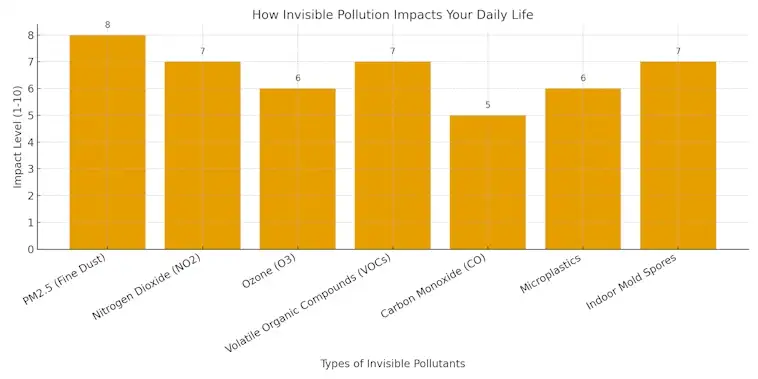
The impact is real, and it’s daily. But here’s the good news: once you’re aware of it, you can start taking steps to protect yourself and your space.
Soot Particles and Their Hidden Link to Chronic Illness
Most people never think twice about the air they breathe. But hidden in that air—especially near busy roads, factories, or even fireplaces—are tiny particles called soot. You can’t always see them, but they’re there. And they could be doing more damage to your body than you realize.
Soot, also known as fine particulate matter (PM2.5), is made up of microscopic particles that come from burning fossil fuels. They’re so small they can slip past your nose’s natural defenses, dive deep into your lungs, and even enter your bloodstream. That’s where the real trouble starts.
Researchers are now linking long-term exposure to soot with a growing list of chronic health problems. It’s not just about coughing or wheezing anymore—this stuff may be quietly fueling much more serious illnesses.
Here’s what the latest science is telling us:
- Heart Disease: Soot particles can trigger inflammation in the blood vessels, raising the risk of heart attacks and strokes.
- Lung Conditions: Long-term exposure can worsen asthma, lead to COPD, and even cause lung cancer.
- Diabetes: Air pollution has been linked to insulin resistance and type 2 diabetes.
- Brain Health: Studies suggest soot may increase the risk of dementia and cognitive decline.
- Pregnancy Complications: Exposure during pregnancy has been tied to low birth weight and premature birth.
- Weakened Immune System: Chronic exposure can lower your body’s ability to fight infections.
What’s scary is that these effects don’t just hit people living in industrial zones. Soot travels. It drifts through cities, across suburbs, and even into rural communities. And because it’s invisible, most of us don’t even know it’s there.
The good news? Awareness is growing. With better monitoring, cleaner technologies, and smart personal choices—like using air purifiers indoors or avoiding high-pollution areas during peak traffic—we can reduce our exposure.
But we have to start by talking about it. That’s how change begins.
The Silent Spread of Toxic Air in Our Cities
Let’s be honest—most of us don’t think about air pollution until we see smog on the horizon or hear a weather alert. But toxic air isn’t always visible. In fact, some of the most dangerous particles are completely invisible to the eye. That’s what makes them so dangerous.
In cities around the world, air pollution is quietly creeping into our daily lives. It’s in the morning walk, the school run, the daily commute. You can’t see it, but your lungs definitely feel it.
The biggest culprit? Fine particulate matter—especially something called PM2.5. These are tiny bits of pollution that can slip deep into your lungs and even enter your bloodstream. Over time, they’ve been linked to everything from asthma to heart disease.
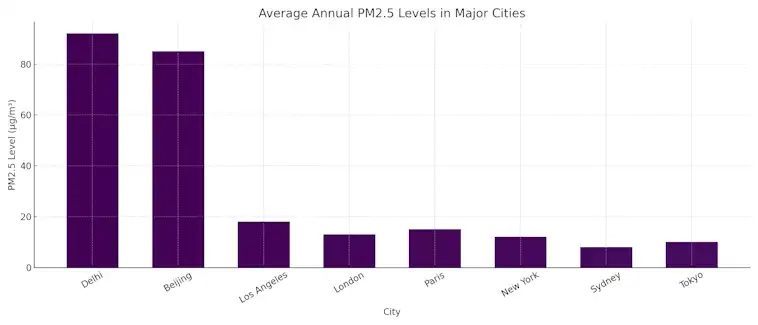
What’s truly worrying is how widespread this silent threat has become. Even in cities with green spaces and strict regulations, PM2.5 levels often go beyond what’s considered safe.
Future Solutions: Can We Ever Breathe Clean Again?
Let’s be honest—air pollution can feel like one of those problems that’s just too big to solve. Every day, we’re reminded of the smog, the smoke, and the unseen particles filling the air. But here’s the good news: innovation is catching up. Around the world, scientists, startups, and cities are rolling out bold solutions that aim to clear the air—for good.
It’s not just about cleaner cars anymore (though electric vehicles are helping). We’re talking about smarter cities, better filters, cleaner energy, and even nature-based fixes like urban forests and green roofs. And while no single idea can fix everything, together, these solutions are building momentum.
How Soot Particles Are Being Tackled by Next-Gen Tech
Soot particles—those tiny, harmful bits that come from burning fuels—are some of the worst offenders in the air we breathe. But new tech is targeting them directly.
High-efficiency air purifiers are now being tested in city centers. These machines pull in polluted air and release it cleaner than ever. Some are even powered by solar panels. Then there’s building design. More offices and homes are being fitted with smart ventilation systems that block and break down these particles before they enter your lungs.
And let’s not forget public transport. Electric buses and trains are replacing diesel fleets, cutting down on soot before it even gets into the air.
Soot Particles: The Hidden Threat Lurking in Every Breath
Soot particles might be invisible, but their impact on your health and the environment is anything but. From breathing problems to heart disease, these tiny pollutants quietly shape the world around us—especially in crowded cities and high-traffic areas.
The good news? Awareness is the first step toward change.
If we want cleaner air and healthier lives, we need to push for stronger air quality standards, support green transportation, and make informed daily choices—like using air purifiers, avoiding peak traffic zones, and speaking up for clean energy.