

Forest Conservation: The Urgent Call to Protect Life
Forest Conservation: The Urgent Call to Protect Life
Forests are more than a backdrop of green; they are the living systems that keep our planet breathing. They store carbon, protect wildlife, provide clean water, and support countless communities. Yet, these vital ecosystems are disappearing at an alarming rate due to deforestation, climate change, and unsustainable practices. Forest conservation is no longer just an environmental issue—it is a global necessity for survival. By protecting and restoring forests, we safeguard biodiversity, strengthen climate resilience, and ensure future generations inherit a healthier world.
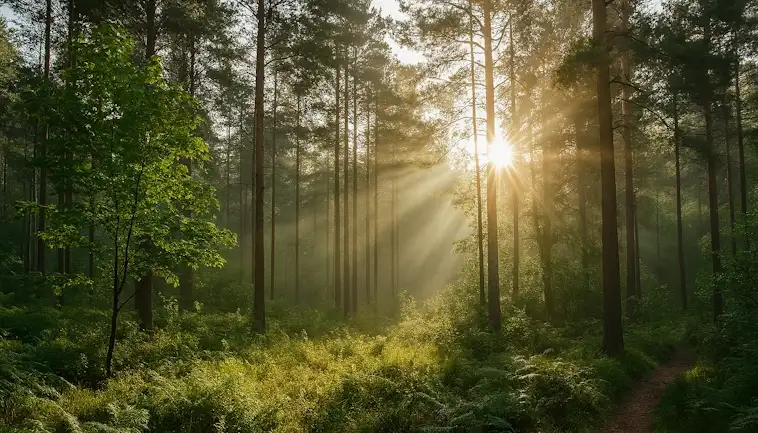
Why Forest Conservation Matters for Our Planet’s Survival
Forests are more than just trees. They are the lungs of our planet, producing the oxygen we breathe and storing the carbon that warms our atmosphere. Without them, life on Earth would look very different. That’s why protecting forests isn’t just about saving nature—it’s about ensuring our own survival.
Forests regulate our climate, filter our water, and shelter countless species. They are also home to millions of people who depend on them directly for food, medicine, and livelihoods. When we lose forests, we don’t just lose wildlife habitats. We lose stability in our climate, fresh air, and natural resources that sustain us every day.
The Hidden Value of Forests
Think about this: forests cover about 30% of the planet’s land, yet they provide benefits that reach every corner of the globe. They influence rainfall patterns, cool cities, and even play a role in preventing disease spread. Their value isn’t always visible, but their impact touches us all, no matter where we live.
The truth is, forest conservation today is one of the smartest steps we can take for the future. If we protect them now, we safeguard biodiversity, slow climate change, and leave a healthier world for the next generation.
Protecting Biodiversity: Safeguarding Wildlife and Habitats
Biodiversity is the heartbeat of our planet. From dense forests to open oceans, every habitat plays a role in keeping our world in balance. Yet, wildlife is under growing pressure from deforestation, pollution, and climate change.
Protecting biodiversity is not just about saving animals. It’s about protecting the ecosystems that we depend on for food, clean air, and fresh water. When habitats are destroyed, species vanish, and the natural systems we rely on begin to break down.
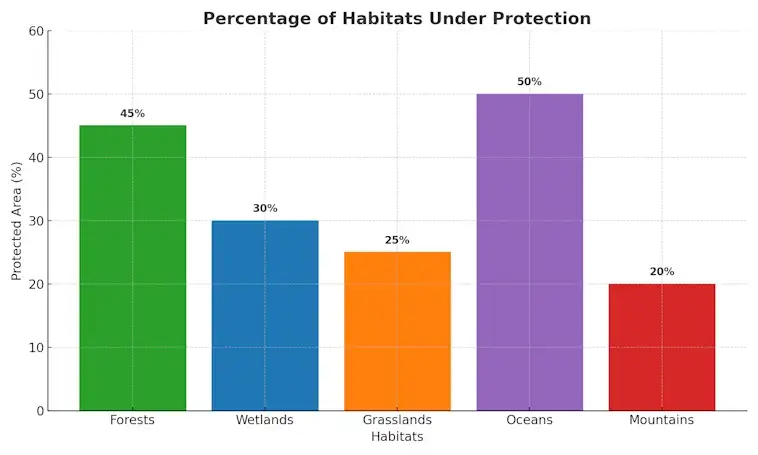
The good news? More countries are setting aside protected areas. From national parks to marine reserves, these spaces are lifelines for endangered species. By expanding these efforts, restoring damaged landscapes, and supporting local conservation projects, we can safeguard biodiversity for the future.
Forest Conservation as a Natural Solution to Climate Change
When we talk about climate change, the conversation often jumps straight to technology—solar panels, electric cars, and wind farms. Those are all important, but one of the most powerful solutions is something far more natural: forests.
Forests are more than just beautiful landscapes. They are vital carbon sinks, pulling harmful carbon dioxide out of the atmosphere and storing it safely. Protecting and restoring forests is one of the most effective, low-cost ways we have to slow global warming.
Here’s why forest conservation matters so much:
- Carbon storage: Trees capture and store carbon, helping balance the planet’s carbon cycle.
- Biodiversity protection: Healthy forests are home to countless species, many of which can’t survive anywhere else.
- Water regulation: Forests protect watersheds, filter water, and even help regulate rainfall patterns.
- Soil health: Tree roots stabilize soil, prevent erosion, and support nutrient-rich land for farming.
- Human well-being: Forests provide food, medicine, and livelihoods for millions of people worldwide.
With forest conservation, we’re not just fighting climate change. We’re also protecting wildlife, supporting communities, and securing the resources future generations will depend on.
Preserving Resources for Future Generations
When we talk about sustainability, it’s not just about what we do today—it’s about what we leave behind tomorrow. Our water, forests, soil, and oceans are the foundation of life. Yet, the pressure on these resources keeps growing.
Think of it this way: every gallon of water saved, every tree protected, and every acre of soil cared for adds up. The choices we make now determine whether future generations will thrive or struggle.
Preserving resources isn’t about sacrifice. It’s about smart living. Using energy more efficiently, cutting waste, and supporting renewable sources doesn’t just protect nature—it also creates healthier communities and stronger economies.
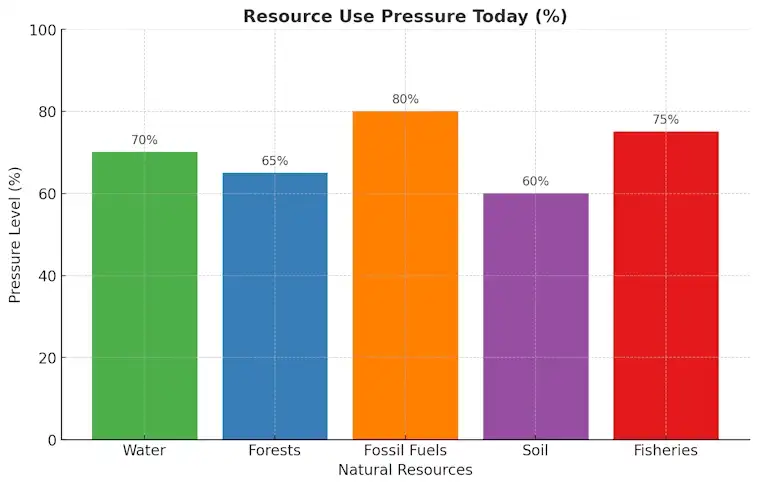
The challenge is big, but so is the opportunity. By working together, we can make sure that the next generation inherits not scarcity, but abundance.
How Communities Benefit from Healthy Forest Ecosystems
When you think about forests, you might picture tall trees, quiet trails, or maybe the smell of fresh pine. But healthy forests are so much more than a pretty backdrop. They quietly work in the background, shaping the air we breathe, the water we drink, and even the stability of our local economies.
Communities benefit from healthy forest ecosystems in countless ways. Forests act like natural filters, keeping rivers and lakes clean. They provide shade that cools our neighborhoods and help protect us from flooding by soaking up excess rain. On top of that, forests support wildlife, giving us thriving biodiversity right in our backyards.
For many communities, forests also mean jobs and income. Sustainable forestry, eco-tourism, and local products like honey or medicinal plants all create opportunities. Strong forests can mean stronger, more resilient communities.
Why Forest Conservation Strengthens Local Life
Forest conservation is not only about saving trees. It’s about protecting the services those trees provide. By looking after forests today, we reduce the risk of wildfires, extreme heat, and soil erosion tomorrow. Conservation also builds a sense of pride and connection, reminding us that healthy forests are a shared resource worth protecting.
In short, healthy forests aren’t just nice to have. They’re essential for community well-being, safety, and future growth.
Forest Conservation, Protecting Our Future
Forests are more than trees. They are home to countless species, a source of clean air and water, and a powerful shield against climate change. But their survival depends on the choices we make today. By supporting sustainable practices, reducing waste, and raising awareness, each of us can play a role in protecting these vital ecosystems.
The future of our forests—and the planet—rests in our hands. So take the next step: learn more, share what you know, and support organizations working for forest conservation worldwide. Together, we can ensure that the green heart of our planet continues to thrive for generations to come.