

Living Earth: Why Our Survival Actually Depends on It
Living Earth: Why Our Survival Actually Depends on It
The living Earth is more than a backdrop to human life—it’s the foundation of our survival. Every breath of air, drop of water, and bite of food depends on delicate systems that connect us to the planet. Yet these systems are under increasing pressure from climate change, deforestation, and pollution. Scientists warn that pushing nature beyond its limits could threaten not just wildlife, but the stability of human societies too. Understanding this deep connection is the first step toward protecting our future. When we see Planet Earth as a living system, the urgency to care for it becomes impossible to ignore.

The Living Earth: Why Our Planet Is More Than Just a Home
When we think about Earth, it’s easy to picture it as just the place we live. A backdrop for our daily routines. But the truth is, our planet is far more than that. Earth isn’t just a stage—it’s a living system that breathes, shifts, and evolves right along with us.
Every forest, river, and mountain plays a role in keeping life in balance. The air we breathe, the water we drink, and even the food on our tables all connect back to the health of our planet. It’s not simply “out there.” It’s inside us. The living Earth shapes who we are and how we thrive.
Nature’s Hidden Conversations
What’s fascinating is that Earth is constantly talking to us. Think about it—trees exchange gases with the air, oceans regulate climate, and soil holds the memory of centuries. These natural systems whisper reminders that everything is connected. We’re part of this vast conversation whether we notice it or not.
And here’s the exciting part: when we care for Earth, it responds. Cleaner air, healthier communities, and thriving wildlife are proof of that. So the planet isn’t just our home—it’s our partner. And the way we treat it today will shape the life we get to live tomorrow.
How Nature’s Systems Keep Us Alive Every Day
When you step outside and take a deep breath, you’re tapping into one of Earth’s greatest life-support systems. Nature is quietly working behind the scenes to keep us alive every single day. Trees filter the air we breathe. Wetlands clean the water we drink. Oceans regulate the climate that keeps our planet livable.
These natural systems aren’t luxuries — they’re essentials. Without them, our daily lives would collapse in ways most of us can hardly imagine. What’s even more amazing is how seamlessly these systems work together, providing services we rarely stop to notice. From the tiniest pollinators helping us grow food to the massive forests balancing global carbon, nature is always “on,” and always working for us.
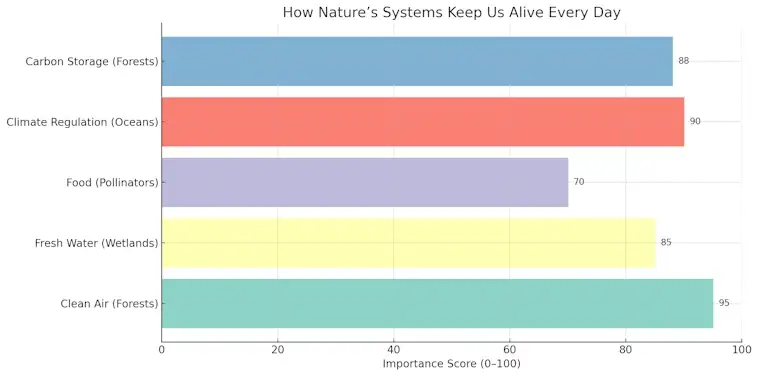
Yet, because this support is invisible, we often forget just how much we depend on it. By recognizing and valuing these systems, we’re not only protecting wildlife — we’re also protecting ourselves.
Living Earth and the Balance That Sustains Humanity
When we think about our planet, it’s easy to focus on the dramatic—storms, floods, or wildfires. But beneath all of that, Earth has a natural balance that makes life possible. This balance is delicate, and humanity depends on it more than we often realize.
Our air, water, soil, and climate work together in ways that quietly keep us alive every day. When this balance shifts too far, it affects our health, food supply, and even the stability of our societies. The truth is, protecting Earth’s systems isn’t just about saving nature—it’s about saving ourselves.
Here are a few key ways the planet keeps us going:
- Clean air — Trees, oceans, and plants absorb carbon and release oxygen, giving us the air we need to breathe.
- Fresh water — Rivers, lakes, and underground aquifers provide safe drinking water and support agriculture.
- Stable climate — Natural cycles regulate temperature and weather, making regions livable.
- Fertile soil — Healthy land produces crops that feed billions of people.
- Biodiversity — A wide range of species keeps ecosystems resilient and productive.
When any of these systems are stressed, the balance tips. That’s when we see more extreme weather, food shortages, and rising health risks. But the hopeful side is that by understanding and respecting this balance, we can make choices that sustain both Earth and humanity.
What Happens When We Ignore the Warnings From Nature
Nature is always sending us signals. Sometimes it’s rising temperatures, stronger storms, or rivers running lower than before. Other times it’s shrinking coastlines or smoke-filled skies. These warnings aren’t random. They’re messages.
But what happens when we don’t listen? The answer is simple and sobering—we pay the price. Crops fail, homes flood, energy grids break down, and health risks rise. And while these impacts hit hardest in vulnerable communities, no one is truly safe from the ripple effects.
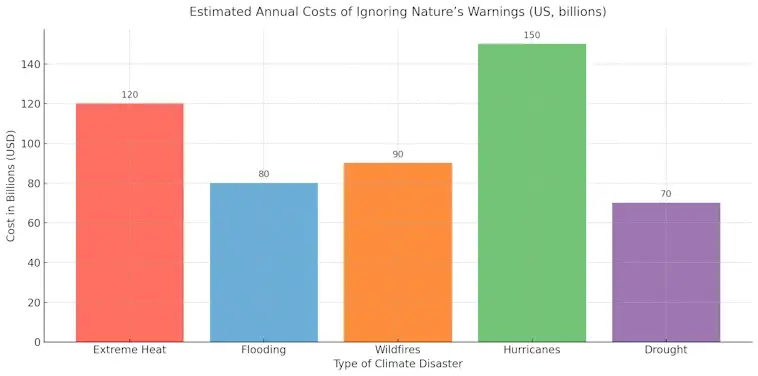
Ignoring nature’s warnings is like hitting the snooze button on an alarm. The danger doesn’t disappear. It just gets louder, costlier, and harder to manage later. The truth is, the earlier we respond, the less damage we face. Acting now means protecting not just our environment, but our everyday lives—our food, our homes, our safety.
Steps We Can Take Now to Protect Our Shared Future
When we talk about protecting the future, it can feel overwhelming. The problems facing our planet are big. But the truth is, small steps matter more than we think. Every choice we make—what we eat, how we travel, even what we throw away—adds up. Together, these actions shape the world our children and grandchildren will inherit.
We don’t have to wait for governments or big companies to make the first move. Change begins with us. By making mindful choices in our daily lives, we set a powerful example. And when enough of us act, industries and leaders take notice.
Building a Living Earth, One Step at a Time
Think about energy. Choosing renewable power, even in small ways, reduces pollution. Look at food. Eating more plants and wasting less helps cut emissions. Consider community. Supporting local businesses keeps money close to home while lowering the carbon footprint of long supply chains.
It’s not about being perfect. It’s about doing what we can, where we can. And it’s about recognizing that our efforts connect. Each decision is a thread in a much bigger fabric. When woven together, those threads create strength, resilience, and hope.
The future is not written yet. We still have time to shape it—and it starts with the steps we take today.
Living Earth: Protecting What Sustains Us
Living Earth is more than an idea—it’s our reality. Every forest, river, and ecosystem plays a role in keeping us alive. When we understand this connection, it becomes clear that caring for the planet is not optional, it’s essential.
The choices you make today—how you use energy, what you buy, and how you treat the natural world—shape the future we all share. By living more sustainably, you help protect Earth’s balance and ensure it remains a thriving home for generations to come.
Take the next step. Start small, stay consistent, and inspire others along the way. Together, we can keep our living Earth healthy and full of life.