
Is Unusual Ice Flow Actually a Warning Sign?
Is Unusual Ice Flow Actually a Warning Sign?
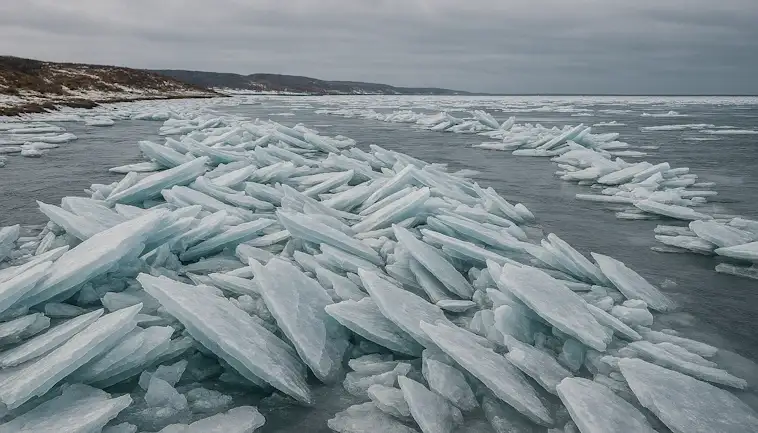
An ice flow is more than frozen water drifting downstream. At times, these shifting sheets of ice move with unexpected power, reshaping rivers, breaking apart shorelines, and leaving behind striking patterns. Some ice flows are slow and steady, while others build sudden force that can damage bridges, flood towns, or carve new paths across the land. Beyond their dramatic impact, they also hold valuable clues about changing seasons and a warming climate. Paying attention to these unusual movements helps us understand both the beauty and the risks of a world in flux.
How Ice Flow Changes Reveal Shifts in Our Climate
When we think of climate change, we often picture rising seas or hotter summers. But one of the most powerful signs comes from something quieter: the way ice moves. Glaciers and ice sheets aren’t frozen in place. They slowly flow, shift, and crack, almost like rivers of ice. And when their movement changes, it tells us something big about our planet.
Scientists track these flows using satellites and on-the-ground measurements. Over the past few decades, they’ve noticed that glaciers in places like Greenland and Antarctica are moving faster than ever. That speed-up is a red flag. It means the ice is thinning and breaking apart more quickly, often because warmer air and oceans are eating away at their edges.
Why Faster Ice Matters
Faster ice flow doesn’t just reshape the land. It also pushes more ice into the sea, raising global sea levels. This is why communities thousands of miles from the poles should care. What happens in Antarctica doesn’t stay in Antarctica. The ripple effect can reach coastal cities everywhere.
The story isn’t all grim, though. These changes also give us valuable data. By watching ice flow patterns, scientists can better predict future sea level rise and help us prepare. It’s like having a window into the future of our climate, carved in ice.
Why Melting Patterns Point to Bigger Problems Ahead
When we talk about climate change, ice often feels like a distant concern. But melting ice isn’t just about polar bears and glaciers—it’s about all of us. The speed at which ice is melting around the world tells a much bigger story. It’s a warning sign that global systems are shifting faster than expected.
Over the past few decades, the pace of ice loss has picked up dramatically. From the Arctic to Antarctica, glaciers and ice sheets are shrinking. This matters because melting ice doesn’t stay put. It adds to rising seas, disrupts weather patterns, and even impacts the stability of coastlines where millions of people live.
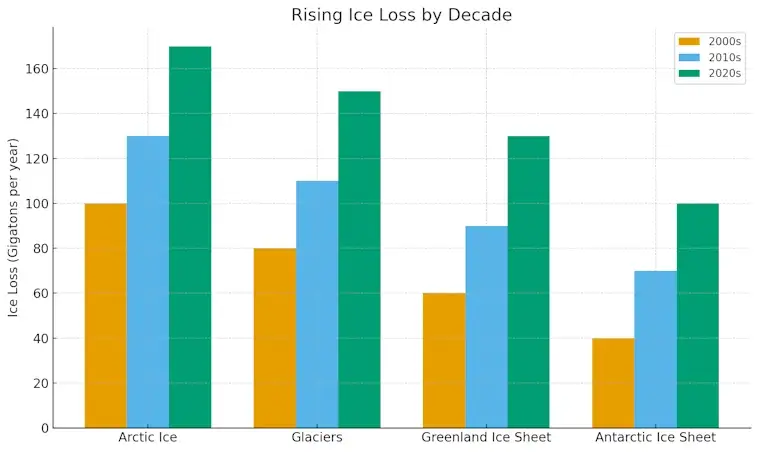
Each decade, the rate of ice loss keeps climbing. What once seemed like a slow drip is now more like a flood. And if these patterns continue, the problems ahead won’t just be environmental—they’ll be social, economic, and deeply personal.
Ice Flow Disruptions and Their Link to Rising Seas
When we think about rising seas, our minds usually jump to melting glaciers. That’s true, but there’s another piece of the story that often goes unnoticed: the flow of ice itself. Glaciers and ice sheets aren’t just melting from the top down; they are also shifting, cracking, and accelerating as the climate warms. These changes in how ice moves across land and into the ocean play a huge role in how fast sea levels rise.
The challenge is that ice doesn’t behave in simple ways. Once cracks form or warm water sneaks under a glacier, the entire flow pattern can speed up. This means big chunks of ice can slide into the ocean much faster than we expect. And when that happens, the seas don’t just creep higher—they can surge at a pace that reshapes coastlines and disrupts communities worldwide.
Here are some of the key ways ice flow disruptions drive rising seas:
- Glacial acceleration – Warming temperatures cause glaciers to move faster, dumping more ice into the ocean.
- Ice shelf collapse – Floating shelves of ice break apart, removing the “brakes” that once slowed the glaciers behind them.
- Basal melting – Warmer ocean currents melt ice from below, making glaciers more unstable.
- Crack formation – Surface melting creates deep cracks that speed up ice movement and breakaway events.
- Feedback loops – Faster ice loss exposes darker surfaces that absorb more heat, fueling even greater melting.
The big takeaway? Rising seas aren’t just about melting ice—they’re also about moving ice. And that movement is accelerating. Understanding ice flow disruptions helps us see why scientists warn that sea level rise could happen faster than many coastal cities are prepared for.
The Hidden Dangers Behind Rapid Glacial Retreat
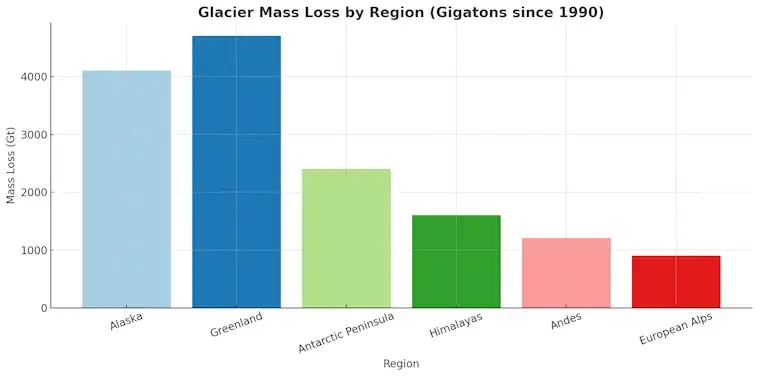
Glaciers are often seen as slow, timeless giants. But today, many are shrinking at record speed. At first glance, this might seem like a faraway issue. After all, most of us don’t live near ice fields or mountain glaciers. Yet the truth is their retreat has consequences that reach far beyond snowy peaks.
When glaciers melt too quickly, sea levels rise faster. Coastal cities and island nations feel the pressure first. At the same time, communities that rely on glacial water for farming and drinking face shortages. There’s also a hidden risk: melting ice can destabilize mountain slopes, increasing the chances of landslides and floods.
These dangers don’t stay local. A warmer, less icy world affects ecosystems, weather patterns, and global economies. The story of glaciers is really the story of us all.
What Unusual Ice Movements Mean for Our Future
The ice on our planet isn’t as still as it might seem. In fact, it’s always moving. But in recent years, scientists have noticed some surprising and unusual shifts. Glaciers are sliding faster. Sea ice is breaking apart in unexpected ways. And ice shelves that once seemed stable are now cracking and drifting.
These movements are more than just dramatic scenes from the Arctic or Antarctica. They are signals. When ice behaves differently, it tells us that the climate is changing. And those changes ripple across the globe, shaping weather, rising seas, and even the food we grow.
Ice Flow Patterns That Raise Questions
One of the most striking signs is the way ice flow is speeding up. This means massive amounts of ice are reaching the ocean more quickly than before. As a result, sea levels rise faster, and coastal communities face bigger risks. It also affects ocean currents, which can shift weather patterns thousands of miles away.
If we look closely, these unusual ice movements are like early warnings. They remind us that what happens at the poles doesn’t stay there. It touches all of us, whether we live near the coast, in a city, or on farmland. The big question now is how we respond to these signals and what kind of future we choose to build.
Unusual Ice Flow: A Warning Sign We Can’t Ignore
Unusual ice flow is more than a rare weather event—it’s a sign of a world in transition. From sudden river freezes to ice jams that catch communities off guard, these changes show us just how unpredictable our climate has become. Paying attention to these patterns isn’t just interesting—it’s essential for understanding the bigger story of our planet.
If this post gave you something to think about, don’t keep it to yourself—share it with friends, family, or on social media. The more people who understand these unusual changes, the better prepared we all can be for what comes next.