

Eco Balance: Forgotten Secrets to a Healthier Planet
Eco Balance: Forgotten Secrets to a Healthier Planet
Finding eco balance has never been more important. For centuries, communities lived in harmony with the land, guided by practices that protected both people and the planet. Many of those traditions have been pushed aside in the rush of modern life, yet they hold powerful lessons for today. By reconnecting with these forgotten secrets, we can restore a healthier relationship with nature, reduce environmental stress, and create lasting benefits for future generations. The path to balance isn’t about grand gestures—it often starts with small, mindful choices that ripple outward and inspire change.
Rediscovering Ancient Wisdom for Modern Sustainability
In today’s fast-moving world, we often think innovation only comes from new technology. But many of the answers we’re searching for have been with us for thousands of years. Ancient cultures lived in close connection with nature. They relied on practices that were simple, effective, and deeply sustainable. By looking back, we may find inspiration to move forward in a healthier way.
Learning from the Past to Shape the Future
Think about it—before industrialization, communities had no choice but to respect natural cycles. Water was collected carefully. Food was grown locally. Materials were reused until they could no longer serve a purpose. These weren’t trendy “green” choices. They were simply how people survived.
What’s interesting is that many of these practices align perfectly with modern sustainability goals. For example, Indigenous methods of farming support soil health. Ancient building techniques, like adobe or cob construction, naturally regulate indoor temperatures. Even traditional diets, rich in seasonal and plant-based foods, echo today’s advice for sustainable living.
By rediscovering this wisdom, we open the door to a more balanced lifestyle. It’s not about abandoning modern progress. It’s about blending the best of old and new. When we combine ancient knowledge with today’s innovations, we create solutions that are both practical and enduring.
How Nature Maintains Its Own Eco Balance
Nature has a way of keeping everything in check. While we often step in with technology or systems, the natural world quietly manages balance on its own. From forests to oceans, every living thing plays a role in keeping ecosystems healthy and thriving. If we take a closer look, we can learn valuable lessons about resilience and harmony.

The Secret Behind Eco Balance
In the wild, nothing is wasted. Fallen leaves become nutrients for the soil. Predators control populations so no single species overwhelms the rest. Rivers and wetlands filter water naturally, creating cleaner environments for plants, animals, and humans alike. It’s an intricate system where each part supports the whole.
What’s fascinating is how adaptable nature is. When conditions change—like shifts in climate or resources—ecosystems adjust over time. Species evolve, migrate, or find new ways to survive. This adaptability is a reminder that balance isn’t about perfection. It’s about flexibility and cooperation.
By observing these patterns, we can better understand how to design sustainable systems for our own lives. Instead of constantly fighting against nature, we can work with it. The more we align our choices with natural cycles, the more resilient our world becomes.
Simple Daily Habits That Restore the Planet’s Health
Caring for the planet doesn’t always mean making big sacrifices. In fact, small daily choices can have a lasting impact. When practiced together, these habits create a ripple effect that helps restore the Earth’s natural systems. And the best part? Most of them are simple enough to start right now.
Building Eco Balance at Home
Think about your morning routine. Could you swap out single-use plastics for reusable options? A refillable water bottle or cloth shopping bag might seem small, but over time it keeps tons of waste out of landfills.
Another easy habit is saving energy. Turning off lights, unplugging chargers, or switching to LED bulbs may not sound revolutionary, but it adds up. Energy saved at home means fewer fossil fuels burned, which directly helps reduce emissions.
Food choices also matter. Eating more plant-based meals or supporting local farmers not only nourishes your body but also lowers your carbon footprint. These actions strengthen Eco Balance by cutting back on resources needed for industrial farming and long-distance transport.
The truth is, creating change doesn’t require perfection. It’s about progress. Each mindful choice connects you to a larger movement toward sustainability. And together, those choices restore the planet’s health one step at a time.
The Role of Communities in Reviving Forgotten Green Practices
Communities have always been at the heart of change. When people come together, they have the power to bring back traditions that honor the planet. Many of these forgotten green practices are not only practical but also essential for building a more sustainable future. By working together, neighborhoods and groups can restore habits that naturally protect the environment.
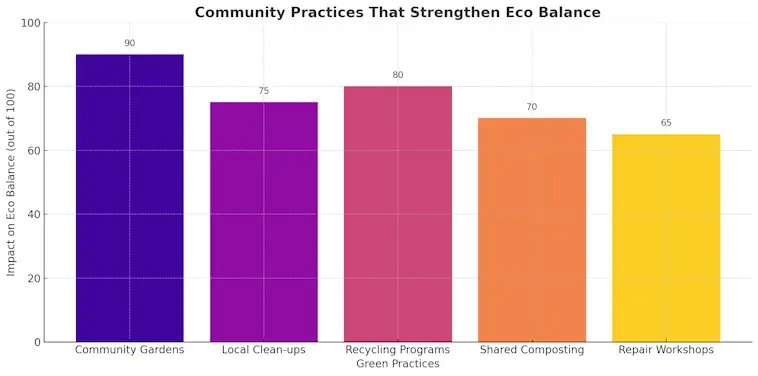
Strengthening Eco Balance Through Shared Traditions
Take community gardens, for example. They reduce food miles, cut down waste, and provide fresh, seasonal produce. At the same time, they reconnect people with the land and with each other. Local clean-up drives, recycling programs, and shared composting efforts also make a big difference.
What makes these actions so powerful is the collective impact. One person’s effort matters, but when an entire community joins in, the results multiply. Old methods—like repairing instead of discarding, or using natural materials for everyday needs—suddenly feel fresh and forward-thinking.
Reviving these practices helps restore eco balance in our towns and cities. They remind us that sustainability doesn’t have to be complicated. Sometimes, it’s about remembering what our grandparents did and finding ways to bring those habits into modern life.
Building a Future Where Humans and Nature Thrive Together
The relationship between people and the planet doesn’t have to be one of conflict. In fact, our future depends on creating harmony between human progress and the natural world. When we learn to value ecosystems as partners, not obstacles, we move closer to a balanced and sustainable way of life.
Eco Balance as the Foundation of Tomorrow
Eco balance is more than just a buzzword. It’s about recognizing that every action—big or small—affects the world around us. Cities that plant more trees, businesses that cut waste, and families that choose renewable energy all contribute to this balance.
The beauty of working with nature is that it rewards us in return. Cleaner air, healthier food, and thriving wildlife are just some of the benefits. By designing cities with green spaces, protecting oceans, and supporting renewable energy, we create a future where humans and nature thrive side by side.
This vision isn’t out of reach. It starts with daily choices, grows with community action, and expands through global cooperation. When we respect eco balance, we’re not just protecting the Earth—we’re ensuring a healthier future for generations to come.
Embracing Eco Balance for a Healthier Tomorrow
Eco balance is not just about protecting nature—it’s about protecting ourselves. When ecosystems thrive, we benefit from clean air, fresh water, fertile soil, and a stable climate. The choices we make today, whether small daily habits or large community projects, all play a role in shaping this balance.
By learning from nature, reviving old practices, and embracing new solutions, we can create a future where people and the planet thrive together. Eco balance is the key to resilience, and it starts with us. The more we respect it, the more we secure a healthier, brighter tomorrow for generations to come.