

Oil Dependency Will Really Destroy Our Future Energy Choices
Oil Dependency Will Really Destroy Our Future Energy Choices
Oil Dependency is shaping not just how we live today, but also what energy options we will—or won’t—have tomorrow. The more we cling to fossil fuels, the harder it becomes to invest in cleaner, smarter, and more resilient alternatives. Rising costs, climate risks, and political instability all trace back to a system too dependent on oil. If this cycle continues, the choices left for future generations will shrink, leaving little room for innovation or sustainability. Right now, breaking free from that dependency is the key to unlocking real energy freedom.
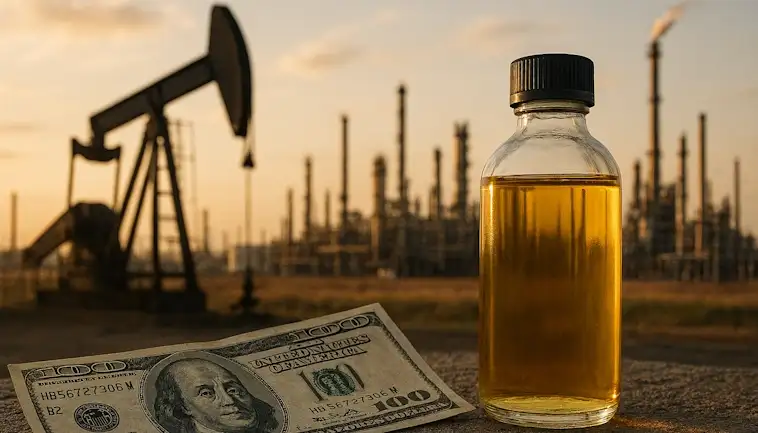
Why Relying on Oil Locks Us Into an Unsustainable Future
When we talk about the future of energy, oil often dominates the conversation. It powers our cars, heats our homes, and fuels global trade. But here’s the hard truth: every barrel we burn ties us tighter to a system that cannot last. Oil may feel convenient today, yet it comes with hidden costs that shape our future in ways we can’t ignore.
Oil is not infinite. It’s a resource that depletes with every extraction. As demand grows, so does the environmental toll. From drilling sites that scar landscapes to carbon emissions that heat our planet, the price goes far beyond what we pay at the pump. And the longer we depend on it, the harder it becomes to shift toward cleaner alternatives.
The Trap of Short-Term Thinking
One of the biggest problems is short-term thinking. Cheap oil creates the illusion of stability. It makes us postpone investment in renewable energy, public transit, and better technologies. But every delay locks us deeper into outdated infrastructure. Imagine trying to overhaul entire energy systems overnight—it’s nearly impossible. That’s why starting now matters.
The future depends on choices we make today. Breaking free from oil isn’t just about cutting emissions. It’s about creating resilience, protecting resources, and building economies that can thrive without fossil fuels.
If we want a sustainable future, we can’t afford to wait. The transition to clean energy isn’t just an option anymore—it’s a necessity.
The Hidden Costs of Oil Dependency on the Global Economy
At first glance, oil looks like the backbone of modern life. It powers industries, moves goods across oceans, and keeps economies running. But when we peel back the layers, the story shifts. Oil dependency comes with hidden costs that often go unnoticed until they hit hard.
The global economy is more fragile than we think. When oil prices rise, transportation, food, and manufacturing costs climb too. Families feel it in their grocery bills. Businesses feel it in shrinking profit margins. And entire nations feel it when inflation spreads like wildfire. This isn’t just an energy issue—it’s a financial risk that affects everyone.
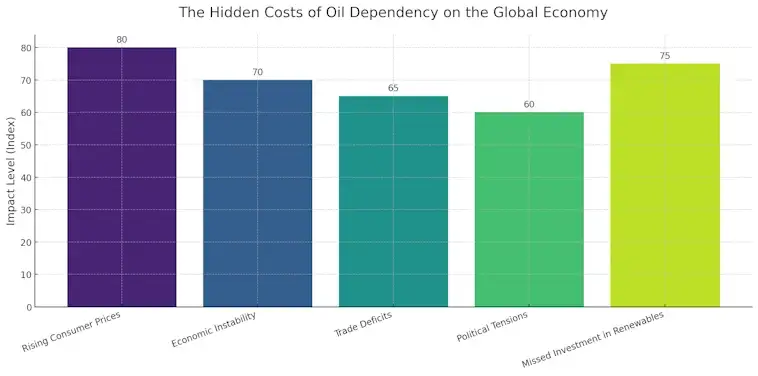
Why Oil Dependency Creates Economic Vulnerability
Oil dependency ties economies to unpredictable global markets. A conflict in one region, a supply chain disruption, or even a natural disaster can send prices soaring overnight. When that happens, countries with few alternatives are forced to absorb the shock. This cycle of volatility holds back growth and makes planning for the future nearly impossible.
The truth is, sticking with oil is like building a house on shaky ground. It may stand for a while, but eventually, the cracks show. By continuing to rely on it, we accept a future filled with instability and missed opportunities for innovation.
The good news? Breaking free from oil dependency opens the door to stronger, more resilient economies. Investing in renewables, energy efficiency, and clean technology doesn’t just protect the planet—it stabilizes the global economy too.
How Oil Addiction Delays Clean Energy Innovation
The world is racing against time to cut emissions, yet our deep reliance on oil keeps slowing us down. Oil feels familiar. It’s built into our cars, industries, and entire energy systems. But this addiction comes at a cost: it delays the growth of clean energy innovation that we desperately need.
Every dollar poured into oil infrastructure is a dollar not invested in solar, wind, or battery technology. The more we cling to fossil fuels, the more we stall progress toward cheaper, smarter, and cleaner solutions. It’s like keeping one foot on the brake while trying to accelerate into the future.
Oil Addiction Blocks Long-Term Progress
Oil addiction doesn’t just slow down innovation—it shapes policy and priorities. Governments often give subsidies to oil companies, making it harder for renewable startups to compete. This creates an uneven playing field where clean energy lags behind, even though the technology is ready to scale.
If we shifted resources, research, and incentives toward renewables, breakthroughs could happen faster. Imagine cheaper solar panels, more efficient wind turbines, or batteries that last for days instead of hours. These advances are within reach, but oil dependency keeps them waiting on the sidelines.
The truth is simple: the sooner we break free from oil, the sooner clean energy can flourish. And that’s the path to a future that’s not only sustainable but also more affordable and resilient.
The Climate Risks of Continuing to Depend on Fossil Fuels
Fossil fuels have powered human progress for more than a century. They built modern cities, connected global trade, and fueled entire economies. But the same energy sources that brought growth are now driving one of the biggest threats of our time—climate change. Continuing to depend on coal, oil, and gas puts our planet on a dangerous path.
Burning fossil fuels releases carbon dioxide and methane, two of the most damaging greenhouse gases. These trap heat in the atmosphere, raising global temperatures. The result? Stronger storms, longer droughts, melting ice, and rising seas. Every year we delay cutting emissions, the risks grow higher and the costs mount.
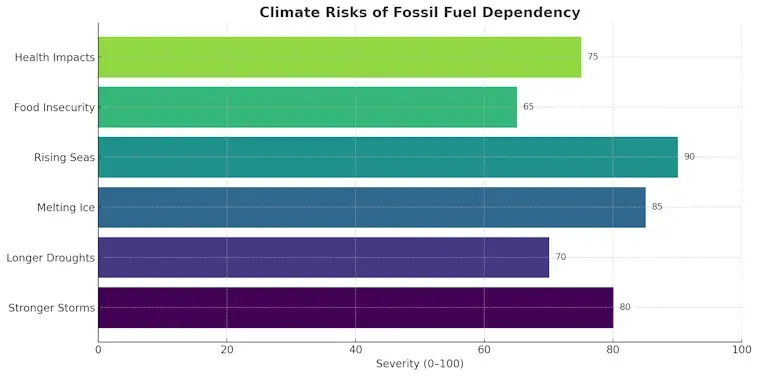
How Oil Dependency Fuels Climate Instability
Oil dependency doesn’t just affect the economy. It fuels climate instability by locking us into energy systems that keep emitting more carbon. Each new pipeline, refinery, or oil field makes it harder to pivot toward clean energy. It’s like pouring water into a leaking bucket—you keep working harder but never solve the problem.
The science is clear: if we don’t shift away from fossil fuels, global warming will pass dangerous tipping points. That means more communities at risk, more food insecurity, and greater pressure on already fragile ecosystems.
Breaking free from fossil fuels isn’t just about reducing harm. It’s also about unlocking opportunities—new jobs in clean energy, healthier air, and safer communities. The sooner we act, the better chance we have to shape a livable future.
Building a Future Beyond Oil: Smarter Energy Choices Ahead
Oil has shaped the world we live in today. It has powered cars, fueled industries, and supported global growth for decades. But the future cannot be built on yesterday’s energy. To move forward, we need smarter choices—choices that protect the planet and open the door to innovation.
Switching to clean energy isn’t just about reducing emissions. It’s also about creating healthier communities, stronger economies, and more stable futures. Every solar panel installed, every wind turbine built, and every investment in storage technology pushes us closer to a world that runs on sustainable power.
Smarter Paths to Reduce Oil Dependency
The transition away from oil doesn’t happen overnight, but it starts with clear steps. Governments can cut subsidies for fossil fuels and redirect funds toward renewable energy projects. Businesses can invest in efficiency and cleaner alternatives. And as individuals, we can choose electric vehicles, support green policies, and reduce waste.
By making these smarter choices, we create momentum. Oil dependency weakens as clean energy grows stronger. And that shift means fewer risks, more opportunities, and a safer planet for generations to come.
The path forward is not just possible—it’s already here. We only need the courage to take it.
Breaking Free From Oil Dependency for a Stronger Future
Oil dependency has shaped our past, but it shouldn’t define our future. Relying on fossil fuels locks us into economic risks, climate instability, and missed opportunities for innovation. The good news? We have the tools and technology to change course.
By investing in renewable energy, improving efficiency, and rethinking policies, we can reduce oil dependency and build a safer, more resilient world. Every step away from oil is a step toward cleaner air, stronger economies, and a healthier planet.
The choice is clear: keep paying the hidden costs of oil, or move toward energy solutions that actually work for people and the planet. The future depends on the decisions we make today.