

Dust Storms: What You Need to Know Before They Hit
Dust Storms: What You Need to Know Before They Hit
Dust storms can strike with little warning, turning clear skies into walls of swirling dust and sand. They reduce visibility to almost nothing, make driving extremely dangerous, and can trigger serious health problems for anyone caught outside. In many parts of the world, these storms are becoming more common and more intense, making preparation more important than ever.
Knowing what dust storms are, how they affect people, and what steps to take before one arrives can make all the difference. With the right information, you can protect your health, keep your family safe, and avoid unnecessary risks when the winds begin to rise.
Dust Storms Explained: How They Form and Why They’re Dangerous
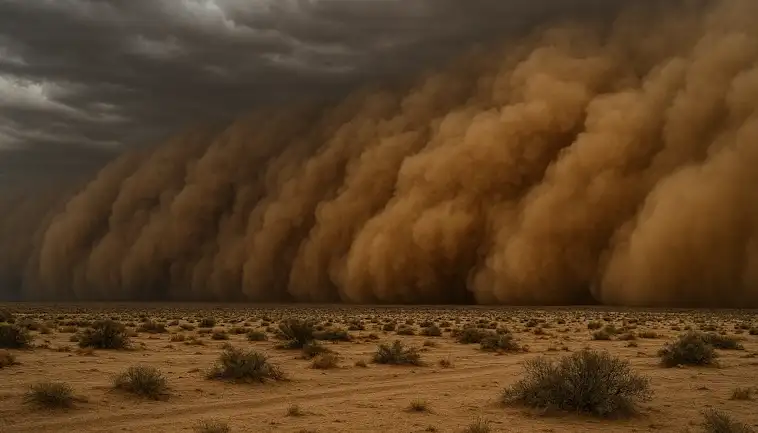
Dust storms are one of nature’s most dramatic events. They can roll in suddenly, turning a sunny afternoon into a wall of swirling brown air. While they may look fascinating from a distance, dust storms are powerful and dangerous forces that deserve our attention.
Dust storms form when strong winds lift loose sand, dirt, and debris from dry surfaces into the air. This often happens in desert regions or areas where the soil is exposed and unprotected by plants. Once the wind picks up enough speed, it carries the dust for miles, creating a thick cloud that can blanket entire towns.
The Hidden Dangers in the Air
Dust storms don’t just block your view. They can reduce visibility to near zero, making driving extremely hazardous. The fine particles in the air can also trigger asthma, allergies, and other respiratory issues. For people with pre-existing health conditions, even a short exposure can be harmful.
These storms also have a bigger environmental impact. Dust can strip nutrients from soil, damage crops, and even travel across continents, affecting air quality thousands of miles away.
Staying safe means paying attention to warnings and avoiding travel during a storm. If you’re caught outside, covering your mouth and nose with cloth and finding shelter quickly can reduce your risk.
Warning Signs to Watch Before a Dust Storm Arrives
Dust storms often seem to appear out of nowhere. But if you know what to look for, there are early clues that one may be on the way. Spotting these warning signs can give you precious time to prepare and stay safe.
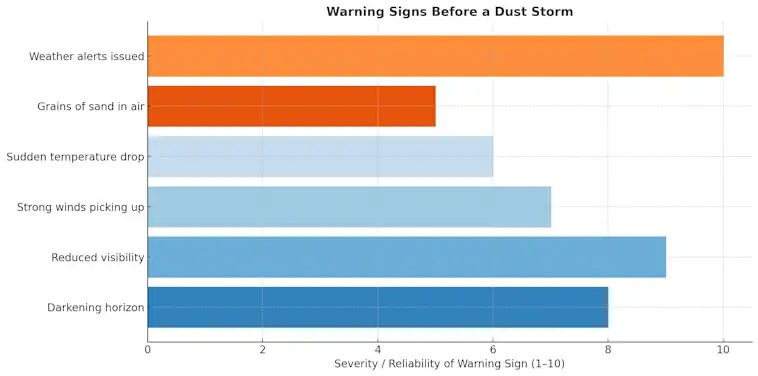
One of the first signs is a sudden change in the sky. The horizon may look hazy or dark, almost as if a brown or orange wall is building in the distance. This is dust being carried by fast-moving winds.
The Calm Before the Grit
Another common warning is a drop in visibility even before the storm fully arrives. You may notice the air becoming thicker and harder to see through. At the same time, winds can pick up quickly, rattling trees, windows, and anything loose outdoors.
Sometimes the temperature shifts suddenly too. Hot air can turn cooler within minutes, a hint that the storm is close. If you’re outside, you might even feel tiny grains of sand brushing against your skin before the bigger wall of dust hits.
Paying attention to weather alerts is also key. Local forecasts and emergency notifications often give warnings before conditions become severe.
Being aware of these signals doesn’t just help you avoid inconvenience—it could keep you safe. The sooner you recognize the signs, the better prepared you’ll be when a dust storm arrives.
Dust Storms and Your Health: Protecting Yourself and Your Family
Dust storms don’t just make the sky look dramatic. They can also create serious health risks, especially for children, older adults, and anyone with breathing problems. Knowing how to protect yourself and your loved ones is the best way to stay safe when the air fills with dust.
When a dust storm sweeps through, the air becomes packed with tiny particles. These can irritate your eyes, nose, and throat. For people with asthma, allergies, or heart conditions, even a short exposure can trigger symptoms. Long-term exposure to repeated storms may also affect lung health over time.
Breathing Easy in Tough Conditions
The good news is there are simple steps to reduce the risk. Staying indoors during a storm is the safest option. Keep windows and doors tightly closed. If you have an air purifier, use it to keep indoor air cleaner. For those who must go outside, wearing a mask or covering your nose and mouth with cloth can help filter some of the dust.
Children are especially vulnerable, so make sure they stay inside until the air clears. Pets should also be brought indoors. After the storm, rinse your face and hands to remove dust particles, and avoid strenuous outdoor activity until conditions improve.
Being proactive during a dust storm not only protects your health but also keeps your family safe and prepared. A little planning goes a long way when nature sends a wall of dust your way.
Safety Tips for Driving When Visibility Drops
Driving in low visibility can be one of the most stressful situations on the road. Whether it’s caused by dust, fog, or heavy rain, losing sight of what’s ahead makes every decision more critical. The good news is that with the right habits, you can greatly reduce the risks and stay safer behind the wheel.
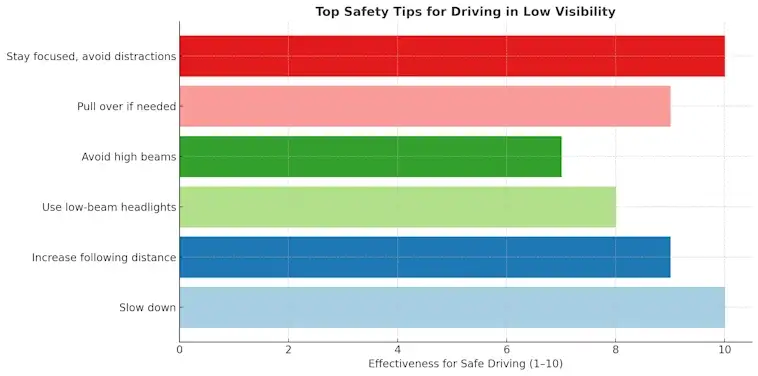
One of the most important steps is to slow down immediately. Many accidents happen because drivers continue at normal speeds, unaware of how little time they have to react. Keeping a bigger gap between you and the vehicle in front of you also gives extra room if sudden braking is needed.
Stay Visible, Stay Calm
When visibility drops, your lights become your lifeline. Always switch on your low-beam headlights or fog lights, never high beams, which can reflect back and make things worse. Using hazard lights only when you stop is also key—otherwise, they can confuse other drivers.
If the storm or fog becomes too intense, the safest move may be to pull off the road entirely. Find a safe spot, turn off your lights, and wait until conditions improve. Staying in the driving lane with hazards flashing can actually increase the risk of another vehicle hitting you.
Avoid distractions at all costs. Keep your focus on the road, reduce any background noise, and resist the urge to check your phone. Calm, steady driving decisions make all the difference when visibility is poor.
Low-visibility driving isn’t about getting there fast—it’s about arriving safely. With patience and awareness, you can protect yourself and everyone in the car.
Dust Storms Preparedness: Simple Steps to Stay Safe
Dust storms can strike quickly, and when they do, every second counts. Being prepared before one arrives makes all the difference. The right steps can protect your health, your home, and your family.
Start by keeping an eye on local forecasts, especially during dry and windy seasons. Early warnings give you time to act. Having a basic emergency kit with water, masks, and a flashlight can also make life easier if a storm lasts longer than expected.
Protecting Your Home and Family
Before a storm hits, close all windows and doors to keep dust from getting inside. If possible, seal small gaps where air can sneak through. Bring pets indoors and make sure children know the plan—staying inside is the safest choice.
If you must drive, pull over safely and wait for the storm to pass. Keeping extra bottled water and a mask in your car is a smart backup. After the storm, avoid strenuous outdoor activity until the air clears.
Preparation doesn’t need to be complicated. With a few simple steps, you can face dust storms with confidence and peace of mind.
Final Thoughts on Dust Storms
Dust storms may look dramatic, but their impact is real. They can harm health, disrupt travel, and damage the environment. The good news is that by knowing the signs, staying prepared, and following simple safety steps, you can protect yourself and your loved ones.
Awareness is your best defense. Keep an eye on weather alerts, have a plan in place, and don’t take chances when visibility drops. Dust storms will always be a part of life in certain regions, but with preparation, they don’t have to catch you by surprise.
Stay safe, stay informed, and remember—being ready today can make all the difference tomorrow.