

How Tundra Soil Shapes Life in the Coldest Places
How Tundra Soil Shapes Life in the Coldest Places
Life in the Arctic and subarctic may seem impossible at first glance, yet a surprising amount of it depends on the ground beneath the snow. Tundra soil, frozen for much of the year, holds the key to how plants take root, how animals find food, and how entire ecosystems manage to survive. Its unique layers, locked in ice and thawing only briefly in summer, create a fragile balance that supports everything from tiny mosses to roaming caribou. As the climate warms and permafrost shifts, the role of tundra soil is becoming even more important—not only for the species that live there, but for the future of the planet itself.
Tundra Soil: The Frozen Foundation of Arctic Ecosystems
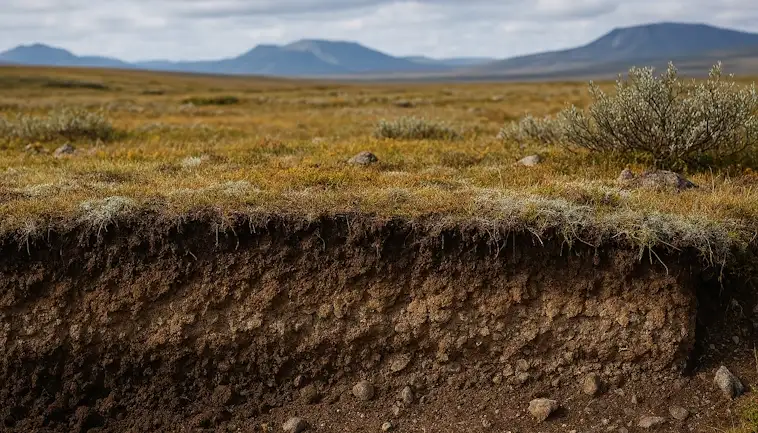
When we think about the Arctic, we usually picture endless snow, icy winds, and maybe even a polar bear wandering across the landscape. But beneath all of that lies something just as important: tundra soil. This frozen ground is the foundation of Arctic ecosystems, shaping everything from plant life to animal survival.
Tundra soil is unique because much of it stays frozen year-round. This layer, known as permafrost, locks away water, nutrients, and even ancient carbon. During the short summer, only the top layer thaws. That’s when hardy plants like mosses, lichens, and dwarf shrubs can grow, feeding the animals that depend on them. Without this delicate cycle, the Arctic food web would struggle to exist.
Why Permafrost Matters More Than We Think
Permafrost isn’t just a frozen layer of dirt. It plays a huge role in regulating Earth’s climate. When it stays frozen, it traps greenhouse gases like carbon dioxide and methane. But as global temperatures rise, melting tundra soil can release these gases back into the atmosphere, accelerating climate change. In other words, what happens in the Arctic doesn’t stay in the Arctic—it affects us all.
At the same time, thawing permafrost reshapes the land itself. It can create sinkholes, change water flow, and make it harder for plants and animals to adapt. For communities living in the Arctic, it even threatens roads, homes, and traditional ways of life.
So, the next time you think of the frozen north, remember that tundra soil is not just dirt. It’s the hidden backbone of one of Earth’s most extreme and important ecosystems.
How Plants and Animals Adapt to Extreme Cold
Surviving in freezing environments is no easy task. Yet, in places like the Arctic tundra and high mountain ranges, life finds a way. Plants and animals adapt to extreme cold with clever strategies that keep them alive in some of the harshest conditions on Earth. These adaptations are not just fascinating—they’re essential for survival.
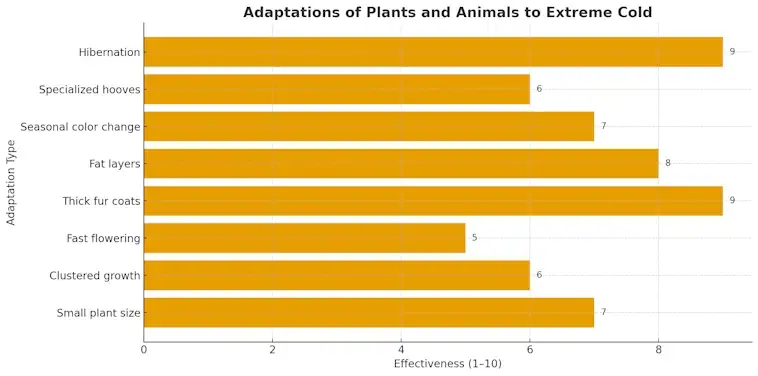
For plants, the growing season is incredibly short. That’s why tundra plants stay small and close to the ground. Their compact size helps them conserve heat and resist icy winds. Many also grow in clusters, creating tiny microclimates that trap warmth. Bright flowers bloom quickly in the summer, taking advantage of the short burst of sunlight to produce seeds before the frost returns.
Animals, on the other hand, rely on both physical and behavioral changes. Thick fur coats, layers of fat, and even color changes in winter give them an edge. Arctic foxes, for example, turn white in winter to blend in with snow and stay warm. Caribou have specialized hooves that act like snowshoes, helping them move across frozen ground in search of food.
The Hidden Power of Hibernation
One of the most remarkable survival tactics is hibernation. Bears, ground squirrels, and even some frogs can slow their metabolism to conserve energy when food is scarce. This deep sleep allows them to survive months of darkness and bitter cold without constant feeding.
What’s inspiring is how every species, from tiny mosses to massive polar bears, has evolved a way to endure the cold. These adaptations are not just about survival—they’re about resilience and balance. And in a changing climate, understanding how plants and animals adapt to extreme cold is more important than ever.
Tundra Soil and the Hidden World Beneath the Surface
When you picture the Arctic, it’s easy to imagine icy winds, endless snow, and frozen rivers. But what many people don’t realize is that beneath this frozen landscape lies a hidden world. Tundra soil is more than just frozen ground—it’s a living foundation that shapes entire ecosystems.
This soil is made up of layers, including the active layer that thaws in summer and the permafrost that stays frozen year-round. Even in this harsh environment, microbes, roots, and tiny soil organisms work together, creating a fragile balance that supports life above the surface.
Microbes: The Arctic’s Tiny Engineers
Microbes are often overlooked, but in tundra soil they play a starring role. They help recycle nutrients, break down organic matter, and release energy that plants can use. Without these microscopic engineers, Arctic plants like mosses and lichens wouldn’t be able to grow, and animals wouldn’t have food to survive the extreme conditions.
Tundra soil also acts as a massive storage unit for carbon. When it stays frozen, it locks away greenhouse gases. But as temperatures rise, thawing soil can release this carbon back into the atmosphere, fueling global climate change. This makes the hidden world beneath the surface even more important to study and protect.
Climate Change and Its Impact on the Tundra
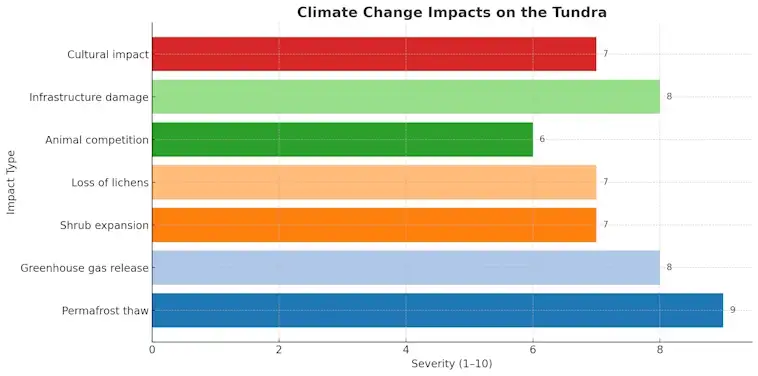
The tundra is one of the most fragile ecosystems on Earth. It is cold, vast, and often looks unchanging. But climate change is reshaping this frozen landscape faster than almost anywhere else. Rising temperatures are melting permafrost, changing plant life, and putting pressure on animals that have adapted to survive in extreme cold.
When the ground thaws, it releases trapped greenhouse gases like carbon dioxide and methane. These gases add to global warming, creating a dangerous cycle. What happens in the Arctic doesn’t stay there—it influences the entire planet. That’s why scientists say the tundra is like a warning system for climate change.
Shifts in Plant and Animal Survival
As temperatures rise, shrubs and new plant species are moving into areas once covered by mosses and lichens. This changes the food web and makes life harder for animals like caribou, which depend on lichens for winter food. At the same time, predators such as red foxes are moving north, competing with Arctic foxes for survival.
Communities that live in the Arctic are also feeling the effects. Thawing tundra soil damages roads, homes, and infrastructure. Traditional ways of life, such as hunting and herding, are becoming more difficult. The impact of climate change on the tundra is not just environmental—it’s cultural too.
The story of the tundra shows how closely connected we all are. Protecting this ecosystem means protecting our shared climate future.
Why Tundra Soil Matters for the Future of Our Planet
At first glance, tundra soil might look like nothing more than frozen ground. But in reality, it holds the key to understanding our planet’s future. This soil is a massive storage system for carbon, water, and nutrients. As long as it stays frozen, tundra soil helps regulate Earth’s climate. When it thaws, though, the effects can ripple across the globe.
Tundra soil is home to permafrost, a layer that has been frozen for thousands of years. Locked inside are greenhouse gases like carbon dioxide and methane. If the soil melts, these gases are released, making climate change worse. This is why scientists call the tundra a “sleeping giant” in the fight against global warming.
Tundra Soil as a Climate Guardian
One of the most powerful roles tundra soil plays is acting as a climate guardian. It regulates the flow of carbon and supports unique Arctic plants that feed animals like caribou and Arctic hares. Without healthy tundra soil, these ecosystems would collapse, and the balance of our planet’s climate would shift dramatically.
What’s even more striking is how much the future depends on protecting this fragile ground. By reducing emissions and slowing global warming, we can keep permafrost frozen and safeguard the hidden world beneath the Arctic surface.
The story of tundra soil isn’t just about the Arctic. It’s about all of us. Protecting it means protecting the stability of the Earth for generations to come.
Protecting Tundra Soil Protects Our Planet
Tundra soil is more than frozen ground—it is the foundation of Arctic ecosystems and a powerful regulator of Earth’s climate. From storing carbon in permafrost to supporting unique plants and animals, its role is vital. But with climate change accelerating, this fragile layer is under threat.
By understanding why tundra soil matters, we can take action to protect it. Safeguarding the tundra means slowing greenhouse gas release, preserving biodiversity, and protecting communities that call the Arctic home. The future of tundra soil is closely tied to the future of our planet. And that makes it everyone’s responsibility.