

The Hidden Power of Wild Beauty in Our World
The Hidden Power of Wild Beauty in Our World
Nature has a way of stopping us in our tracks. A mountain bathed in golden light, a coastline carved by waves, or a quiet forest alive with birdsong—all carry a hidden power that goes beyond what we see. This wild beauty shapes cultures, strengthens our health, and even influences how we think about the future. Scientists, artists, and communities are rediscovering its value, not just as a backdrop to life but as a force that guides and inspires. As the world faces rapid change, the role of untamed landscapes and raw natural wonders is becoming clearer: they remind us of balance, resilience, and the deeper connections we share with the planet.
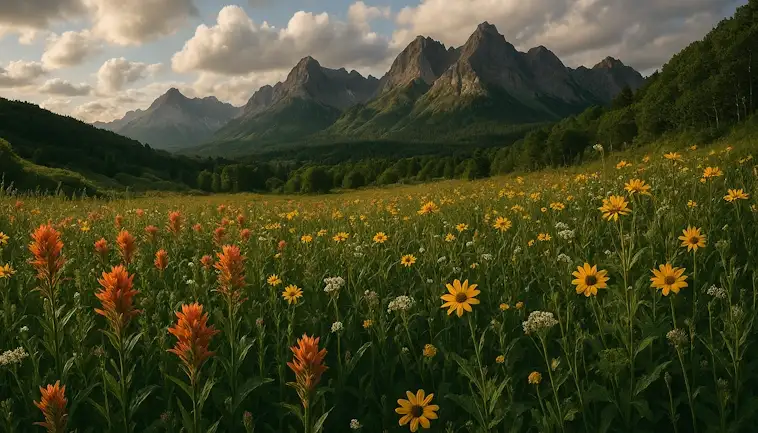
Why Wild Beauty Matters More Than Ever in a Changing World
When was the last time you paused to notice the wild beauty around you? Maybe it was the curve of a river, the colors of a sunset, or even the sound of birdsong in the morning. These moments may feel small, but they are powerful reminders that we are part of something bigger.
In today’s fast-changing world, wild beauty matters more than ever. Climate change, urban growth, and modern pressures can make us forget the value of untouched places. Yet nature isn’t just decoration—it’s a lifeline. It restores our health, inspires creativity, and keeps ecosystems balanced. Protecting wild beauty means protecting ourselves.
A Hidden Source of Strength
Wild landscapes give us more than scenery. They offer clean air, fresh water, and a sense of peace we can’t find in crowded cities. They also spark resilience. Standing in front of a mountain or watching waves crash on a shore reminds us of our place in the world. It grounds us when everything else feels uncertain.
That’s why phrases like preserving natural beauty, protecting wild places, and celebrating wild landscapes are not just buzzwords. They are calls to action. By noticing and valuing what is wild, we create a stronger reason to protect it for future generations.
Wild beauty is not a luxury—it’s a necessity. And in this changing world, it’s one we can’t afford to lose.
The Healing Connection Between Nature and Human Well-Being
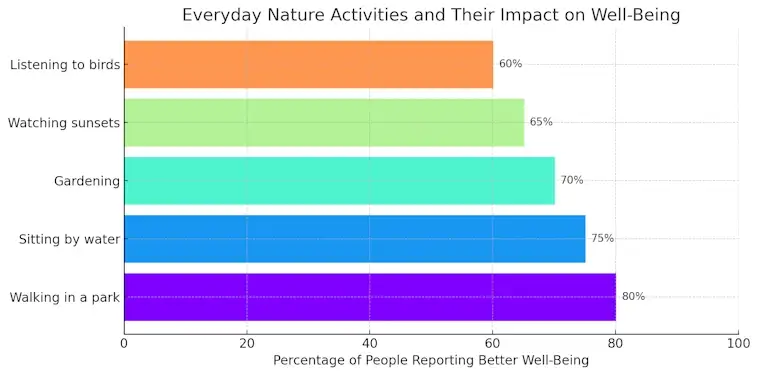
Think about the last time you walked through a park, sat by the ocean, or even tended to a plant on your windowsill. Chances are, you felt calmer, lighter, and more alive. That’s because the link between nature and human well-being is powerful and deeply rooted.
In today’s busy world, many of us spend more time indoors than ever before. Screens, deadlines, and constant noise can leave us drained. But stepping outside into green spaces—even for just a few minutes—can restore balance. Studies show that spending time in nature lowers stress, improves mood, and boosts creativity. It’s like pressing a reset button for the mind and body.
Small Steps, Big Impact
You don’t have to hike mountains or travel far to feel nature’s benefits. A short walk under the trees, listening to birds, or watching the sky change color at dusk can have a huge effect. These simple acts of connection remind us that well-being doesn’t always come from bigger, faster, or more. Sometimes, it comes from slowing down and noticing what’s already here.
By making room for wild spaces and everyday encounters with the outdoors, we nurture both ourselves and the planet. The truth is, protecting nature and protecting human health go hand in hand. When we care for the earth, we also care for our own future.
How Wild Beauty Inspires Creativity and Innovation
Have you ever noticed how ideas seem to flow more easily when you’re outside? Maybe it’s the sight of a forest, the sound of the ocean, or the way the sky changes at dusk. Wild beauty has a way of sparking imagination and opening our minds to new possibilities.
In fact, studies show that spending time in nature boosts creative thinking and problem-solving. When we step away from screens and daily routines, our brains relax. This mental reset helps us see challenges in fresh ways. For artists, writers, and even business leaders, wild beauty isn’t just inspiring—it’s a powerful tool for innovation.
Nature as a Creative Partner
Think of nature as more than a backdrop. It’s a partner in the creative process. The rhythm of waves, the patterns in leaves, or the silence of a mountain trail can spark ideas we wouldn’t find in a crowded office. That’s why many people use nature for inspiration, whether they’re painting, designing, or brainstorming.
Protecting wild landscapes means protecting these sparks of creativity. By valuing the role of nature in innovation, we ensure that future generations will also have access to fresh ideas born in wild places.
Wild beauty reminds us that creativity is everywhere—if we just step outside and pay attention.
Protecting Fragile Landscapes for Future Generations
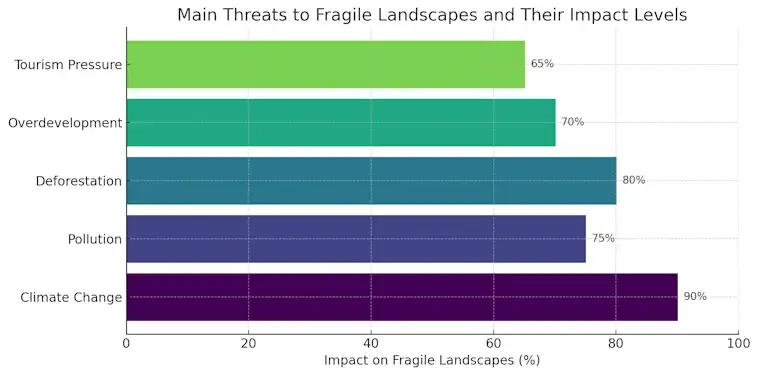
When we talk about fragile landscapes, we’re talking about the wild places that can’t be replaced once they’re gone. Think of coral reefs, rainforests, wetlands, or alpine meadows. These ecosystems are delicate, and they play a huge role in keeping our planet balanced. Protecting fragile landscapes isn’t just about beauty—it’s about survival.
Today, pressures like climate change, pollution, and overdevelopment are putting these places at risk. If we lose them, we lose clean air, fresh water, and vital habitats for countless species. That’s why conservation of fragile ecosystems and protecting natural landscapes are more than buzzwords. They’re urgent calls to action.
Passing the Torch of Stewardship
Each generation inherits the earth from the one before it. What we choose to protect—or ignore—shapes the future. By supporting conservation projects, reducing waste, and making mindful travel choices, we can help ensure that wild beauty remains intact.
It’s not about perfection, but about progress. Every small effort counts. When we protect fragile landscapes, we are giving future generations the gift of connection, wonder, and life itself.
Wild places are our shared legacy. Protecting them today ensures they will continue to inspire and sustain tomorrow.
Wild Beauty as a Guide to Living with Balance and Purpose
Wild beauty has a quiet way of teaching us. A flowing river reminds us to keep moving forward. A forest shows us the strength of community. Even the open sky encourages us to see life with wider perspective. When we take time to notice, we realize that nature is not just scenery—it’s a guide to living with balance and purpose.
In today’s world, it’s easy to get caught in constant motion. Work, screens, and endless to-do lists leave little room for reflection. But when we step into natural spaces, something shifts. We slow down. We breathe deeper. We feel more connected to ourselves and the world around us. That’s the gift of finding purpose in nature and living in harmony with wild beauty.
Lessons Written in the Landscape
Wild places hold wisdom. The resilience of a tree, the patience of a mountain, or the adaptability of a coastline remind us of qualities we can bring into our own lives. These lessons are not abstract—they are practical tools for finding balance in modern times.
When we align with the rhythms of the natural world, we discover a more grounded way of living. Protecting and appreciating wild beauty is not only about saving the environment. It’s about saving a part of ourselves.
Embracing Wild Beauty for a Better Tomorrow
Wild beauty is more than a view—it’s a reminder of what truly matters. From quiet forests to untamed coastlines, these places connect us to balance, creativity, and well-being. They also remind us of our responsibility. Protecting wild beauty today ensures that future generations will inherit a world rich in wonder and possibility.
By valuing the importance of wild beauty, we are also valuing health, resilience, and purpose in our own lives. Each step we take—whether it’s spending time outdoors, supporting conservation, or simply noticing nature’s details—creates a ripple of positive change.
The message is clear: wild beauty is not a luxury. It is essential. Let’s honor it, protect it, and let it guide us toward a more balanced and meaningful future.