

What Really Happens to Marine Debris in the Ocean?
What Really Happens to Marine Debris in the Ocean?
The ocean is one of our planet’s most valuable resources, yet it faces a growing threat from marine debris. From discarded plastics to abandoned fishing gear, this waste not only harms wildlife but also disrupts ecosystems and affects coastal communities. The good news is that effective solutions are emerging. Around the world, scientists, innovators, and everyday people are working together to tackle the problem at its source and clean up what’s already out there. By understanding the scale of the issue and focusing on prevention, cleanup, and smarter design, it’s possible to protect marine life and restore healthier oceans for future generations.
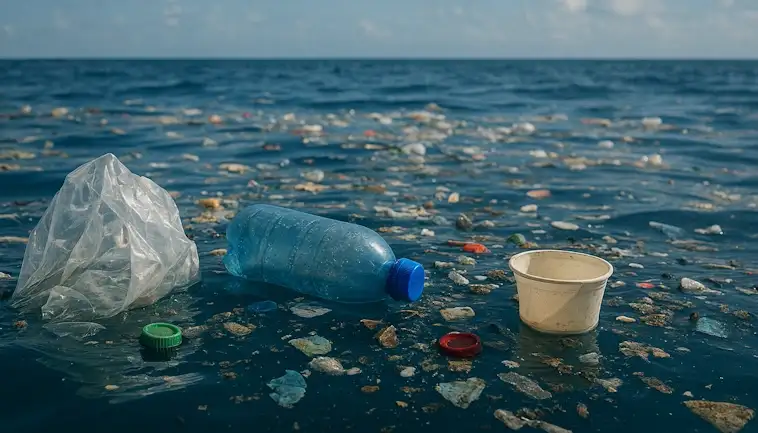
Understanding Marine Debris and Its Impact on Ocean Health
When we talk about ocean health, one of the biggest threats we face is marine debris. This term simply means any man-made waste that finds its way into the sea. Most of it comes from everyday items like plastic bottles, food wrappers, fishing gear, and discarded packaging. Once in the water, this debris doesn’t just disappear—it lingers for years, often breaking down into microplastics that are even harder to remove.
The impact on ocean ecosystems is huge. Marine animals can mistake trash for food, leading to injury, starvation, or death. Coral reefs, which are already under stress from warming waters, can be smothered by debris that blocks sunlight and disrupts growth. And because our oceans are deeply connected to human life, from the air we breathe to the seafood we eat, the problem of marine debris directly affects us too.
Why Small Actions Matter
It’s easy to think that one plastic bag or bottle doesn’t make a difference. But the truth is, our daily choices add up. Reducing single-use plastics, recycling properly, and supporting cleanup efforts are powerful steps. When individuals take small actions, it leads to a collective impact that helps protect marine life and restore healthier oceans.
In short, marine debris and ocean health are closely linked. By understanding the problem and acting on it, we can begin to turn the tide.
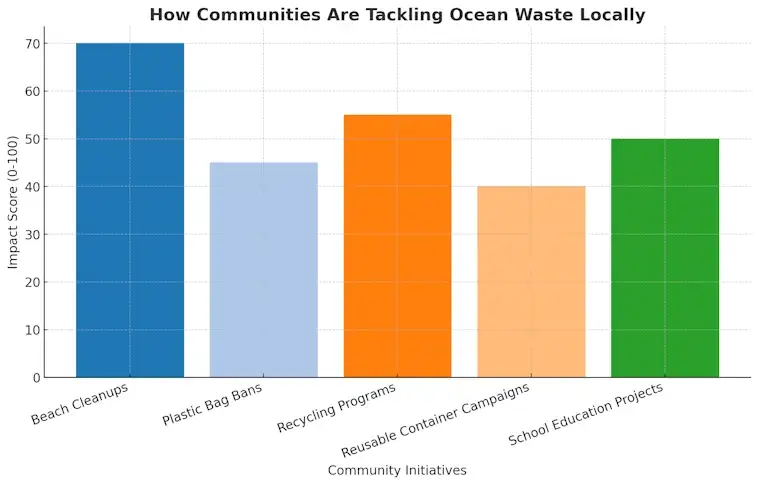
How Communities Are Tackling Ocean Waste Locally
All around the world, communities are stepping up to fight ocean waste in creative ways. Local action might seem small compared to the vast size of our oceans, but it’s often where the biggest change begins. From beach cleanups to recycling programs, people are proving that solutions can start right at home.
Grassroots Power in Action
Neighborhood groups, schools, and even small businesses are taking the lead. Many organize coastal cleanup events where volunteers remove plastic bottles, fishing nets, and other harmful debris. Others focus on education, teaching kids and adults how to cut down on single-use plastics. These efforts not only reduce marine pollution but also build stronger community ties.
Local governments are also playing a role. Some towns have banned plastic bags, while others encourage reusable containers at markets and restaurants. By setting these policies, cities and villages show that they’re serious about protecting ocean health.
The real magic happens when everyday people get involved. Every piece of trash collected, every reusable bag carried, and every conversation about waste reduction helps shift the culture. Tackling ocean waste locally is proof that when communities work together, healthier oceans are within reach.
Innovative Technologies Fighting Marine Debris Worldwide
When it comes to tackling marine debris, technology is playing a bigger role than ever. Around the globe, new tools and ideas are being developed to protect ocean ecosystems and reduce plastic waste. These innovations give us hope that the fight against pollution isn’t lost—it’s just getting smarter.
Smart Solutions on the Water
One exciting example is the use of floating barriers and cleanup systems that collect plastics before they drift too far offshore. Some projects use solar-powered boats equipped with nets to capture trash. Others rely on drones and AI to track where debris builds up, making cleanups faster and more effective.
Even recycling is getting an upgrade. New technology can turn plastic waste into building materials, clothing fibers, or even fuel. This kind of circular economy approach means less waste ends up in our oceans and more resources are reused.
The global effort doesn’t stop at machines. Data-sharing platforms now connect scientists, governments, and communities to track progress. By combining human action with high-tech solutions, the world is moving closer to cleaner, healthier oceans.
Innovative technologies for marine debris are more than just futuristic ideas—they’re real, and they’re making a difference today.
What Individuals Can Do to Reduce Ocean Pollution
Big problems like ocean pollution can feel overwhelming, but the truth is, individual choices matter. Each step we take to cut waste helps protect marine life and supports healthier oceans. The good news? Many solutions are simple and fit right into everyday life.

Everyday Habits That Make a Difference
Start small by reducing single-use plastics. Bring a reusable bag to the store, carry a refillable water bottle, and say no to plastic straws. These choices keep unnecessary waste out of our oceans.
Recycling is another key step. When we sort our trash correctly, less plastic ends up as marine debris. Composting food scraps also helps by cutting down on landfill waste, which can eventually find its way into waterways.
Supporting local cleanups is powerful too. Joining a beach or river cleanup connects you with others who care about ocean health. It’s a hands-on way to see the difference your actions make.
Lastly, spread the word. Talk with friends, share resources online, and encourage others to rethink their habits. One person’s influence often inspires many more to act.
By making small changes every day, we can all play a part in reducing ocean pollution and protecting the waters we depend on.
Future Strategies to Prevent Marine Debris and Protect Our Seas
Looking ahead, the fight against marine debris is shifting toward prevention, not just cleanup. Protecting our seas means stopping waste before it ever reaches the water. This forward-thinking approach is gaining momentum worldwide and offers real hope for the future of ocean health.
Building a Cleaner Future
One key strategy is designing products with less plastic. Companies are beginning to explore biodegradable packaging and reusable alternatives. By cutting back on single-use plastics, we can significantly reduce ocean pollution.
Stronger policies also play a big role. Governments are working on bans for harmful items like plastic bags and microbeads. At the same time, new international agreements aim to keep waste management a global priority.
Technology will continue to shape solutions. From smarter recycling systems to advanced waste-tracking tools, innovation is helping us understand and control where debris comes from.
Finally, education and awareness remain powerful. Teaching the next generation about the importance of protecting our seas ensures lasting change. When people understand the problem, they’re more likely to support the solutions.
The path ahead is clear: combining smarter design, stronger policies, new technology, and education can help prevent marine debris and safeguard our oceans for years to come.
Turning the Tide Against Marine Debris
The challenge of marine debris is serious, but it’s not unsolvable. Every piece of trash removed, every policy passed, and every choice to reduce single-use plastics brings us closer to healthier oceans. By working together—through community action, innovative technologies, and smarter daily habits—we can protect ocean health for generations to come.
The future of our seas depends on what we do today. If we stay committed, spread awareness, and push for lasting solutions, we can turn the tide against marine debris and create cleaner, safer waters for both people and marine life.