

Why Shoreline Retreat Matters More Than Ever
Why Shoreline Retreat Matters More Than Ever
Coastlines are shifting faster than ever before, and the changes aren’t just about sand moving from one place to another. Entire communities, ecosystems, and economies are feeling the impact of shoreline retreat. Rising seas, stronger storms, and human development are all speeding up the process, creating challenges that can no longer be ignored.
Shoreline retreat matters because it reshapes where people can live, how businesses can thrive, and whether natural habitats survive. The choices made today will determine if future generations inherit coastlines that are resilient or coastlines that are lost.
Understanding Shoreline Retreat: What It Really Means for Coastal Communities
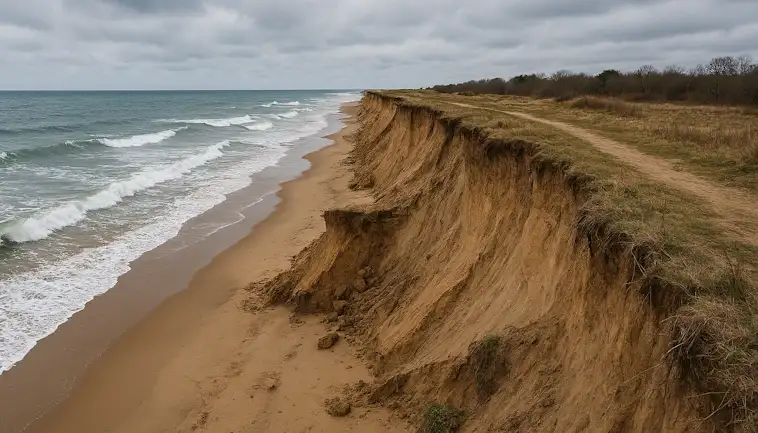
When we think about the beach, we picture waves, sand, and maybe a summer sunset. What we don’t often picture is the slow, steady movement of the shoreline itself. This process, known as shoreline retreat, is one of the most pressing challenges facing coastal communities today. It’s not just about losing a bit of sand. It’s about homes, businesses, and entire ways of life being pushed back by the sea.
Shoreline retreat happens when rising seas, stronger storms, and natural erosion combine to move the waterline further inland. For the people living nearby, this can mean shrinking property lines, higher flood risks, and in some cases, the need to relocate. The impacts are real, and they’re not just for the distant future—they’re happening now.
Why Beaches Are Moving Faster Than Before
Beaches naturally shift over time, but climate change has accelerated the pace. Warmer oceans fuel stronger storms, while melting ice adds to rising sea levels. This double effect makes erosion happen faster than communities can adapt. For local families, it can feel like the ground beneath them is slipping away—because in many ways, it is.
The good news? Awareness is the first step. When communities understand shoreline retreat, they can make better choices. That might mean building smarter, restoring wetlands that act as buffers, or planning ahead for safer spaces inland.
Understanding shoreline retreat isn’t just about science. It’s about protecting homes, culture, and the future of life along the coast.
The Hidden Costs of Erosion: How Shoreline Loss Impacts People and Property
Erosion might sound like a slow, natural process, but for coastal communities it often feels sudden and overwhelming. Every inch of sand lost to the sea carries a real price. It’s not only about the beach disappearing—it’s about what happens to the people, homes, and businesses that depend on that shoreline.
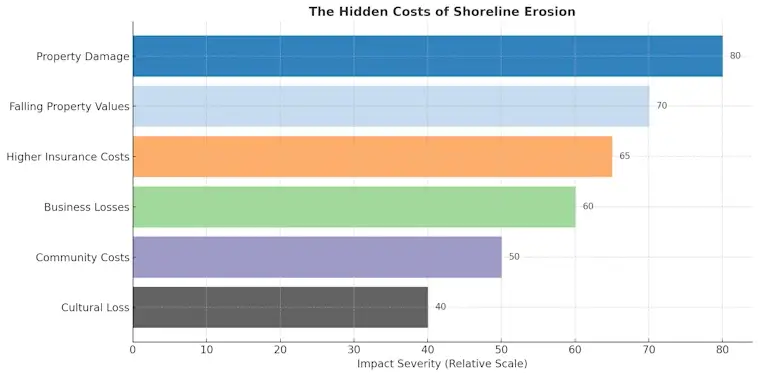
As the coast retreats, property values often drop. Families who once enjoyed a safe and beautiful view may now face flooding risks, higher insurance costs, and expensive repairs. For many, these financial pressures come on top of the emotional toll of watching their community change.
The True Price Beyond the Sand
When a shoreline erodes, the damage ripples outward. Local businesses that rely on tourism—restaurants, hotels, surf shops—see fewer visitors as beaches shrink. Communities may also face rising taxes to pay for sea walls, beach nourishment, or emergency response after storms. These hidden costs add up, and they can strain towns that are already struggling.
But there’s another cost that’s harder to measure: the loss of identity. Many coastal communities have deep cultural ties to their beaches. When the shoreline fades, it feels like a piece of history and heritage is slipping away too.
By looking at erosion as more than just a natural process, we begin to see why it matters so much. It’s about protecting people, preserving property, and keeping the heart of coastal life alive.
Climate Change and Rising Seas: The Driving Forces Behind Shoreline Retreat
When people think about climate change, they often picture melting glaciers or hotter summers. But one of the biggest impacts is happening along our coasts. Rising seas are quietly reshaping shorelines, forcing communities to face challenges that grow with every passing year.
As global temperatures climb, polar ice melts and oceans expand. This causes sea levels to rise at a pace faster than many expected. The result? Shorelines that retreat inland, swallowing land that families and businesses depend on. It’s a slow-moving crisis, but its effects are powerful and long-lasting.
How Warmer Oceans Change Everything
Warmer water fuels stronger storms. Each storm carries more energy, creating higher waves and heavier rains. Together, these forces accelerate erosion and strip away protective beaches and dunes. Without these natural barriers, towns face more flooding, and recovery after each storm gets harder.
For coastal communities, this isn’t just a distant warning. It’s happening now. Roads are flooding more often, insurance costs are climbing, and some neighborhoods are even discussing relocation. These changes may feel overwhelming, but understanding the connection between climate change and shoreline retreat is the first step in preparing for what’s ahead.
By looking at the big picture, we can see the driving forces clearly. Rising seas and a warming planet are rewriting the future of our coasts. The sooner we respond, the better chance we have to protect the places we call home.
Adapting to Change: Smart Strategies for Protecting Coastal Futures
Shoreline retreat and rising seas may feel unstoppable, but communities are not powerless. Around the world, towns and cities are finding creative ways to adapt. These strategies don’t just protect coastlines. They help safeguard the people, cultures, and economies that depend on them.
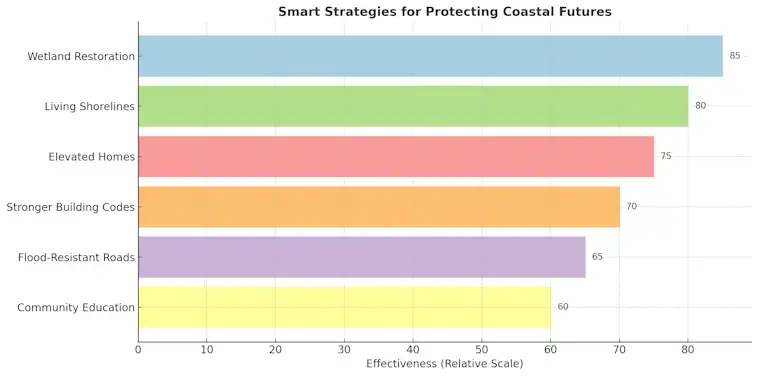
Some solutions focus on working with nature rather than against it. Restoring wetlands and planting dunes can create natural barriers that absorb storm surges. Other strategies involve smarter planning—like building further inland or designing homes that can withstand flooding. Each approach is a step toward a safer, more resilient future.
Building with Tomorrow in Mind
Instead of rebuilding in the same vulnerable spots, communities are starting to think long-term. That might mean elevating roads, updating building codes, or even creating “living shorelines” that grow stronger over time. These efforts may seem costly at first, but they often save money and lives down the road.
At the same time, education and local involvement play a huge role. When residents understand the risks and take part in decisions, adaptation becomes a shared mission rather than a top-down plan.
By combining smart design, natural solutions, and community voices, coastal regions can turn a challenge into an opportunity. Adapting isn’t about giving up—it’s about building a future that’s stronger and more secure.
Why Acting Now on Shoreline Retreat Could Save Generations to Come
When we talk about shoreline retreat, it’s easy to think it only matters years from now. But the truth is, every decision we make today shapes what tomorrow will look like. Acting early doesn’t just slow down the damage—it creates safer, stronger communities for the generations that follow.
Delaying action often makes problems more expensive and more difficult to fix. Roads, homes, and businesses built too close to the water face constant repairs or even permanent loss. By planning ahead, communities can save money, protect lives, and reduce the emotional toll of watching coastlines disappear.
The Power of Forward Thinking
Taking steps now, like restoring wetlands or enforcing smarter building codes, gives nature and infrastructure time to work together. These actions create buffers that protect against storms while buying time for families to adapt. Forward thinking also means preserving cultural ties. Future generations can still enjoy the beaches, fishing spots, and traditions that make coastal life so unique.
The longer we wait, the fewer options we’ll have. But with early action, we open the door to innovation and resilience. We give the next generation not just a coastline, but the tools and knowledge to keep it thriving.
Shoreline retreat is a challenge, but it’s also an opportunity. By acting now, we can protect what matters most—and pass on a future that is worth inheriting.
Building Resilience in the Face of Shoreline Retreat
Shoreline retreat is more than just a change in the landscape—it’s a challenge that touches property, culture, and entire communities. Rising seas and stronger storms may feel overwhelming, but the choices we make today can shape a safer tomorrow.
By understanding the causes, acknowledging the hidden costs, and embracing smart strategies, we can protect coastlines and preserve the way of life they support. Acting early doesn’t just guard against loss. It ensures that future generations inherit thriving communities, healthy ecosystems, and coastlines worth protecting.
Shoreline retreat is real, but so is our ability to adapt. With knowledge, planning, and action, we can turn this challenge into an opportunity for resilience and renewal.