

Shifting Seasons: Why Weather Feels Less Predictable Now
Shifting Seasons: Why Weather Feels Less Predictable Now
Weather no longer feels as steady as it once did. Winters arrive later, summers linger longer, and spring can appear and vanish in a matter of weeks. These shifting seasons are more than a curiosity—they are reshaping the way people grow food, plan their lives, and connect with the natural world. Scientists point to rising global temperatures as a major cause, but the everyday effects are what most of us notice first. Longer heatwaves, sudden storms, and delayed frosts are all signals of a climate that no longer follows familiar patterns. Understanding why the seasons are changing and what it means for the future has never been more important.

Shifting Seasons and the Impact on Daily Life
Have you noticed the seasons don’t feel the same anymore? Winters come later, summers stretch on longer, and spring seems to arrive earlier than we expect. This shift isn’t just something scientists track—it’s something we feel in our everyday lives. From what we wear to what we eat, the rhythm of the year is changing right before our eyes.
How Our Routines Are Being Rewritten
Think about how often weather affects your plans. A warmer winter might sound pleasant at first, but it changes much more than holiday traditions. It can shorten ski seasons, delay planting for farmers, and even shift when allergy season starts. The ripple effect touches everything—from school sports schedules to the cost of groceries.
Longer summers can also feel like a double-edged sword. On one hand, more time outdoors is appealing. On the other, higher energy bills from air conditioning, heat stress, and water shortages are becoming harder to ignore. It’s a reminder that the changing seasons aren’t just background noise—they shape the choices we make every single day.
As these shifts continue, our challenge is simple but urgent: adapt. Paying attention to these changes helps us prepare, whether that means planting different crops, adjusting travel habits, or even rethinking the way we build our homes. The seasons may be changing, but with awareness, so can we.
How Shifting Seasons Affect Wildlife and Ecosystems
Nature runs on a schedule. Birds migrate, flowers bloom, and animals hibernate at the same time each year—or at least they used to. But as seasons shift, those patterns are starting to break down. The result? Wildlife and ecosystems are being thrown off balance in ways that ripple through the natural world and into our daily lives.
When Timing Gets Out of Sync
Imagine a bird arriving early from migration, only to find that the insects it feeds on haven’t hatched yet. Or a flower blooming weeks before pollinators are ready. These small mismatches in timing can create big problems. Animals may struggle to find food, plants may not get pollinated, and entire food chains can be disrupted.
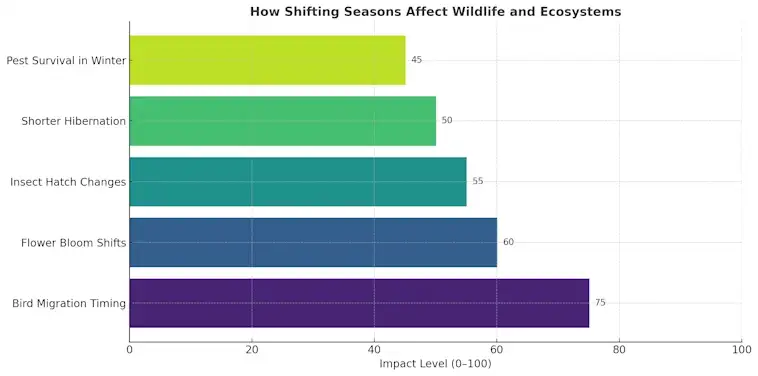
Warmer winters also change the rules. Some species no longer hibernate as long, which puts extra pressure on food supplies. Meanwhile, pests that used to die off in the cold are surviving longer, affecting forests, crops, and even the health of other animals.
Ecosystems are like puzzles where every piece matters. When seasons shift, the pieces don’t quite fit the same way anymore. That makes it harder for nature to stay balanced and resilient.
The good news? By studying these changes closely, scientists and communities can protect habitats, create wildlife corridors, and support conservation efforts that give species a better chance to adapt. The more we understand, the better we can help both wildlife and ourselves thrive in a changing world.
Shifting Seasons and the Challenge for Farmers
Farmers have always worked with the seasons. They watch the skies, track the soil, and time their planting to nature’s rhythm. But as seasons shift, that rhythm is harder to follow. Longer summers, unpredictable rainfall, and warmer winters are rewriting the rules of farming.
Crops Out of Step with the Weather
When planting schedules no longer match the weather, crops can suffer. A late frost may damage young plants, while a sudden heatwave can dry out fields before harvest. Even the timing of rain matters—too much at once can flood crops, while too little brings drought stress.
Livestock also feel the impact. Heatwaves raise the risk of dehydration and illness, while warmer winters may increase pests and diseases that used to die off in the cold. These shifts create more uncertainty, making it harder for farmers to plan ahead.
But farmers are also innovators. Many are turning to new practices—like drought-resistant crops, smarter irrigation, and even adjusting planting dates—to adapt. By blending traditional knowledge with modern science, agriculture can stay resilient in the face of changing seasons.
The challenge is real, but so is the potential to grow stronger food systems that can handle what the future brings.
Why Shifting Seasons Matter for Our Future Climate
The seasons have always been our guide. They shape when we plant, what we eat, and even how we celebrate. But as the seasons shift, they’re sending us a clear message about our future climate. These changes aren’t just about warmer summers or shorter winters. They’re early signals of what’s to come—and they matter more than we might think.
The Seasons as a Warning System
When seasons no longer follow their usual rhythm, it tells us the climate is moving in a new direction. Longer heatwaves, heavier rains, and unpredictable frosts show that the atmosphere is changing. These shifts affect crops, wildlife, and even our own health. In many ways, the changing seasons act like a warning system, urging us to pay attention before the impacts grow larger.
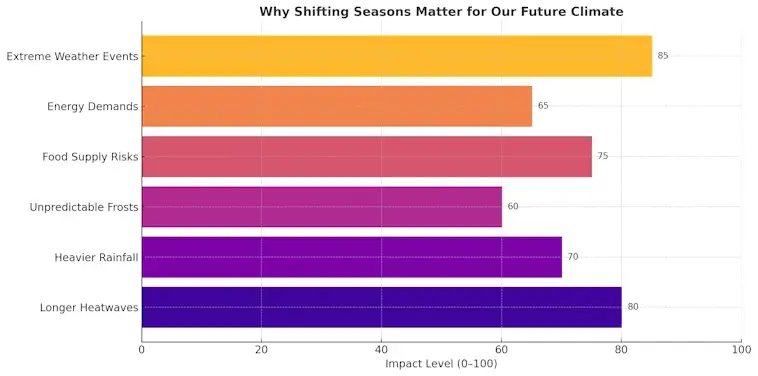
If left unchecked, these changes could lead to food shortages, higher energy use, and more extreme weather events. But by recognizing the signs now, we have the chance to prepare. Cleaner energy, smarter farming, and better city planning can all reduce the risks.
The bottom line is this: shifting seasons are more than a calendar curiosity. They are one of the clearest signs of a climate in transition. Paying attention today can help protect our tomorrow.
Adapting to a World Where Weather Is Less Predictable
The weather used to be something we could count on. Seasons followed a rhythm, and communities planned their lives around it. But today, that rhythm feels off. Storms are stronger, heatwaves last longer, and rain doesn’t always come when it should. In this new reality, learning how to adapt is no longer optional—it’s essential.
Everyday Choices, Big Differences
Adaptation doesn’t always mean big technology or massive projects. Sometimes it’s as simple as how we live day to day. Farmers can shift planting dates. Cities can design cooler streets with more trees. Families can prepare homes for floods, storms, or extreme heat. These small actions, multiplied across millions of people, create resilience.
At the same time, communities and governments play a huge role. Smarter building codes, improved infrastructure, and investments in renewable energy can help societies prepare for what’s ahead. The goal isn’t to fear unpredictable weather, but to face it with tools and strategies that make us stronger.
The world may be less predictable, but we are not powerless. By acting today, we can create a future that is safer, more stable, and better prepared for whatever the skies bring.
Facing the Future of Shifting Seasons
Shifting seasons are no longer a distant concern—they are already reshaping how we live, work, and connect with the world around us. From farming and wildlife to our cities and daily routines, the effects are clear and growing. While the changes bring real challenges, they also give us an opportunity to adapt, rethink old habits, and build resilience.
By paying attention to the signs, supporting sustainable solutions, and making smarter choices today, we can prepare for tomorrow’s climate. The seasons may be changing, but our response can shape a healthier, more balanced future.