

Increasing Colony Collapse: Why Our Bees Are Disappearing
Increasing Colony Collapse: Why Our Bees Are Disappearing
Bees are disappearing at an alarming rate, and the phenomenon known as colony collapse is at the center of this crisis. Across farms and backyards alike, hives are emptying, leaving behind a troubling question: what is driving the decline of these vital pollinators? Without bees, much of the world’s food supply would be at risk, from fruits and vegetables to nuts and coffee. Scientists point to a mix of factors—pesticides, habitat loss, climate change, and disease—as contributors to the growing problem. Understanding why colony collapse is increasing is essential if we want to protect biodiversity, strengthen ecosystems, and secure the future of agriculture.
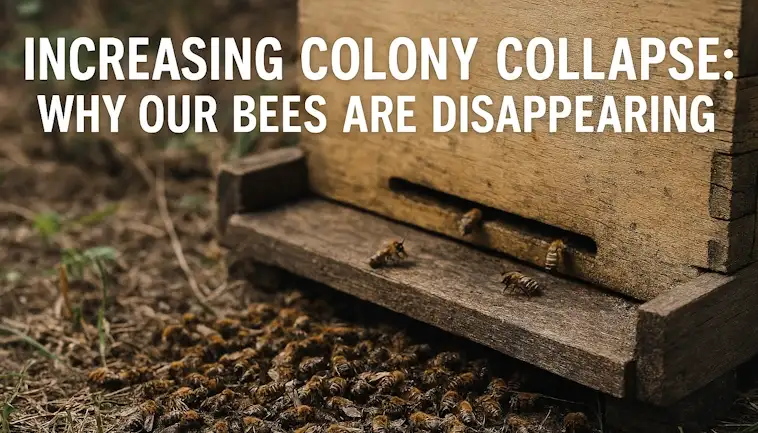
What Is Colony Collapse and Why Does It Matter?
If you’ve ever wondered why bees are making headlines, it often comes back to something called Colony Collapse Disorder. This is when the majority of worker bees suddenly disappear from a hive, leaving behind the queen, a few nurse bees, and food stores. Without its workers, the colony simply can’t survive.
At first glance, it might seem like just a problem for beekeepers. But here’s the bigger picture: bees pollinate about one-third of the food we eat. Apples, almonds, blueberries, cucumbers—the list goes on. Without healthy bee colonies, many of these foods would become scarce and more expensive.
The Ripple Effect on Our Plates
Colony collapse doesn’t just affect honey. It affects our food system as a whole. Imagine grocery stores with fewer fruits and vegetables, or higher prices because farmers can’t get enough crops pollinated. That’s the chain reaction triggered by fewer bees.
The reasons behind colony collapse are complex. Pesticides, climate change, parasites, and habitat loss all play a part. Scientists are still studying how these factors combine to weaken bee colonies.
So why does this matter to you and me? Because protecting bees isn’t just about saving a species—it’s about protecting our food, our environment, and future generations.
The Main Causes Behind Colony Collapse in Bees
Bees don’t just vanish for no reason. Scientists have found several key factors that work together to cause what we call Colony Collapse Disorder. While no single cause explains it all, the mix of stressors makes it tough for bee colonies to survive.
Pesticides and Their Hidden Impact
One major issue is pesticides. Chemicals designed to protect crops can also weaken bees. Even at low levels, they affect a bee’s memory, navigation, and ability to find food. Over time, this stress makes colonies more fragile.
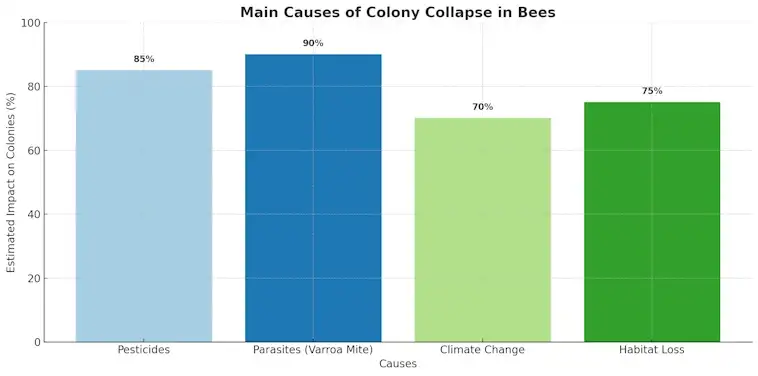
Parasites are another threat. The Varroa mite is one of the most damaging. It latches onto bees, spreads viruses, and leaves entire hives vulnerable. Without treatment, many colonies collapse within a season.
Then there’s climate change. Warmer winters and shifting seasons confuse bees and disrupt flowering patterns. If flowers bloom too early, bees may miss their chance to collect nectar and pollen.
Finally, bees are losing their homes. Urban development and industrial farming reduce wildflower fields and natural habitats. With fewer safe spaces to forage, bees struggle to keep their colonies strong.
When all these factors pile up, it creates the perfect storm for colony collapse. By understanding the causes, we can start making better choices to protect bees and, in turn, protect our food supply.
How Colony Collapse Affects Our Food Supply
When bees disappear, it’s not just honey we lose. It’s the foundation of much of our food system. Bees pollinate around one-third of the crops we eat every day. Without them, our diets would look very different.
The Foods Most at Risk
Think about apples, almonds, blueberries, cucumbers, and even coffee. These foods rely heavily on bees for pollination. Without enough bees, yields drop, and prices rise. Some foods could even become luxury items rather than everyday staples.
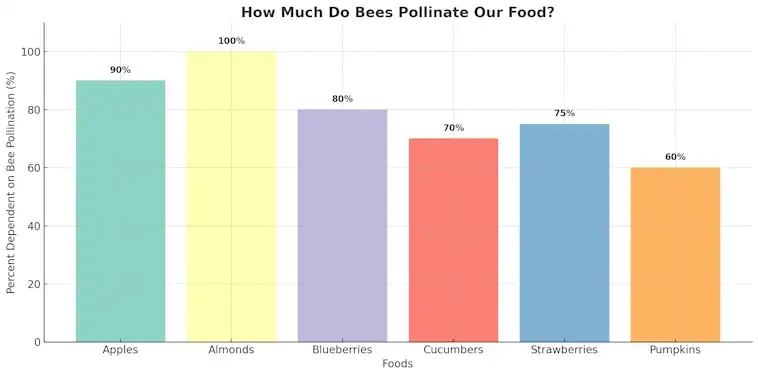
The ripple effect is massive. Farmers struggle to maintain harvests, food companies face higher costs, and consumers see fewer choices at the store. It’s not just about fruits and nuts either—many vegetables and even livestock feed crops depend on pollination.
Colony collapse also threatens food security worldwide. In regions where communities rely on local crops, fewer bees can mean serious shortages. That puts pressure on economies, ecosystems, and the health of millions of people.
So when we talk about protecting bees, we’re really talking about protecting ourselves. A strong food supply depends on strong pollinators. Without them, the balance of our entire food chain is at risk.
Can We Stop Colony Collapse Before It’s Too Late?
The good news is, while colony collapse is serious, it’s not hopeless. Around the world, scientists, farmers, and everyday people are working to protect bees and rebuild healthy colonies. The steps we take today can make a real difference tomorrow.
Small Changes, Big Impact
One of the most powerful tools we have is creating safe spaces for bees. Planting wildflowers, reducing pesticide use, and leaving patches of natural habitat give bees the food and shelter they need. Even a small backyard garden can help.
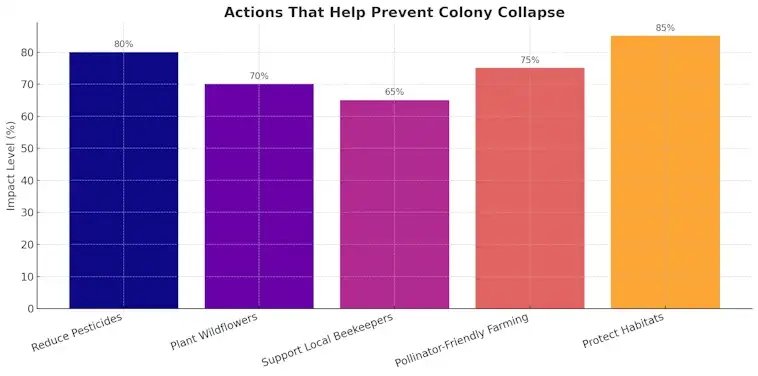
Farmers are also experimenting with more bee-friendly practices. Things like rotating crops, cutting down on chemicals, and planting “pollinator strips” make fields more welcoming. These changes don’t just help bees—they also boost soil health and crop yields.
Scientists are studying ways to fight off the parasites and diseases that weaken hives. At the same time, conservation groups are pushing for stronger policies to protect pollinators. Together, these efforts create a safety net for bees.
So, can we stop colony collapse before it’s too late? The answer is yes—if we act now. By making changes at home, supporting sustainable farming, and raising awareness, we can give bees a fighting chance. And when we save the bees, we’re also protecting our food, our environment, and our future.
The Future of Our Bees: Solutions and Hope Ahead
It’s easy to feel worried about bees when you hear about colony collapse. But there’s also a lot of hope. Around the world, people are stepping up with creative solutions to protect pollinators and secure our food system.
Innovation in Action
New technology is helping beekeepers track the health of their hives. Smart sensors can monitor temperature, humidity, and bee activity, giving early warnings if something goes wrong. This makes it easier to respond before colonies collapse.
At the same time, farmers are learning better ways to work with nature. Planting cover crops, reducing chemical use, and supporting pollinator corridors all create healthier ecosystems. These practices not only protect bees but also improve crop resilience.
Governments and organizations are also getting involved. From banning harmful pesticides to funding pollinator-friendly research, policies are slowly shifting in the right direction. Every change adds up.
And here’s the best part—you and I can be part of the solution. By planting flowers, supporting local honey producers, or even just spreading awareness, we help create a safer world for bees.
The future of bees is not set in stone. With collective action, smart science, and a little hope, we can turn the tide. Protecting bees today means protecting our food, our environment, and generations to come.
Protecting Bees, Protecting Our Future
Bees may be small, but their role in our world is massive. Colony collapse is a warning sign that our environment and food system need urgent care. The good news is we’re not powerless. From planting wildflowers to supporting sustainable farming, every action helps.
By working together—scientists, farmers, and communities—we can protect bees and build a healthier future. Saving bees isn’t just about honey or pollination. It’s about ensuring food security, protecting biodiversity, and leaving a thriving planet for the next generation.
The message is clear: if we care for bees, we’re really caring for ourselves.