

Essential Soil Fertility: How Crop Rotation Renews the Land
Essential Soil Fertility: How Crop Rotation Renews the Land
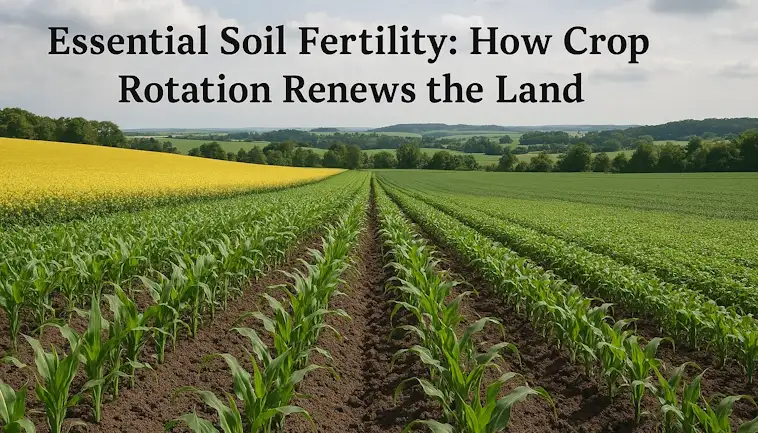
Soil is the foundation of every harvest, yet its health is often taken for granted. Essential soil fertility doesn’t just happen on its own—it’s built and maintained through smart farming practices. One of the most effective methods is crop rotation, a technique as old as agriculture itself but more important than ever today. By rotating crops, farmers give the land time to recover, restore vital nutrients, and protect against pests and disease. The result is richer soil, stronger plants, and more resilient harvests. With food security and sustainability becoming urgent global priorities, understanding how crop rotation renews the land offers valuable lessons for the future of farming.
Why Soil Fertility Matters More Than Ever
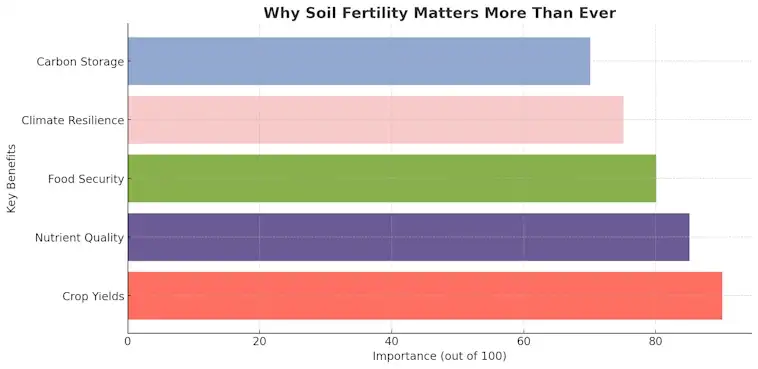
Healthy soil is the foundation of our food system. Without fertile soil, crops struggle, yields drop, and the quality of the food we eat declines. It’s easy to forget, but every bite we take starts with the health of the ground beneath our feet.
Soil fertility isn’t just about growing more food. It’s about growing better food. Nutrient-rich soil produces plants packed with vitamins and minerals, which directly supports human health. When the soil is poor, so is the food.
The Hidden Power Beneath Our Feet
Right now, soil fertility matters more than ever. Climate change, deforestation, and industrial farming have all taken a toll on the land. In many places, soil is being depleted faster than it can recover. This means farmers face tougher challenges, and consumers face higher food prices.
But here’s the hopeful part: soil can be restored. Practices like composting, crop rotation, and reduced chemical use all help bring life back to the land. Fertile soil also captures carbon, making it a quiet but powerful ally in the fight against climate change.
When we care for soil, we’re really caring for the future. It keeps our food secure, strengthens communities, and protects the planet. In short, fertile soil is not just dirt—it’s life itself.
The Science Behind Crop Rotation and Soil Fertility
Crop rotation is one of the oldest farming practices in the world, yet it’s still one of the most effective. The idea is simple: instead of planting the same crop year after year, farmers switch it up. This small change makes a big difference for soil health.
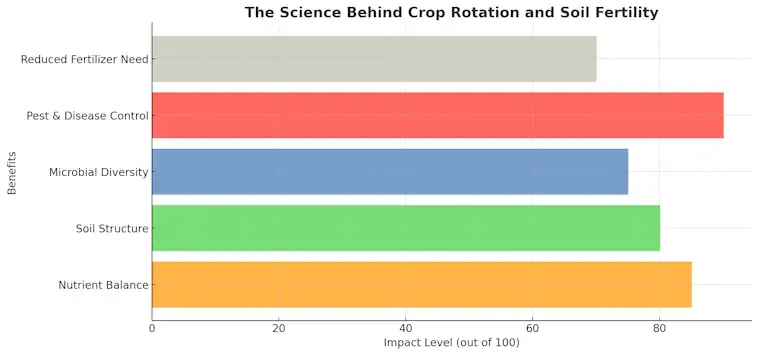
When the same crop grows in the same field repeatedly, it drains the soil of specific nutrients. Over time, the land becomes tired and less fertile. Rotation breaks this cycle. Different plants pull different nutrients from the ground, while some, like legumes, even add nitrogen back into the soil.
Why Farmers Still Swear by Rotation
Modern science now explains what traditional farmers always knew. Crop rotation improves soil structure, encourages microbial diversity, and reduces pests naturally. For example, rotating corn with soybeans or wheat not only balances nutrient use but also disrupts insect and disease patterns.
The result? Healthier soil that can support strong yields without relying as heavily on chemical fertilizers. It’s a win for farmers, consumers, and the environment.
By rotating crops, we’re not just keeping fields productive—we’re investing in the long-term fertility of the soil. It’s a simple practice with benefits that reach far beyond the farm.
Practical Ways to Improve Soil Fertility on Your Farm
Healthy soil doesn’t just happen by chance. It’s the result of consistent care and smart farming practices. The good news is that improving soil fertility is possible on any farm, whether large or small.
Simple Steps That Make a Big Difference
One of the easiest ways to build fertility is by adding organic matter. Compost, manure, and cover crops all feed the soil while improving its structure. Over time, this creates a rich environment where plants thrive.
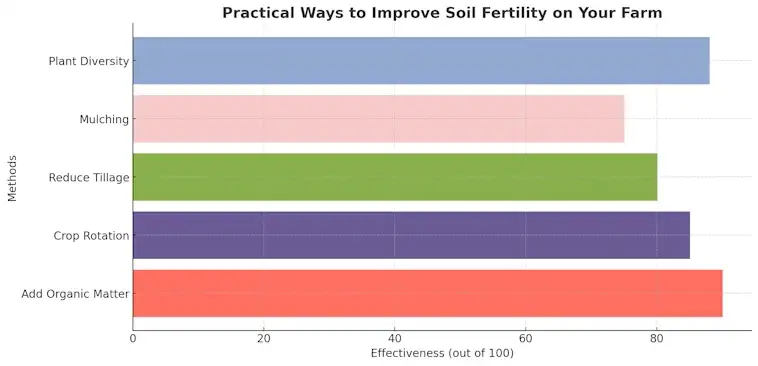
Another powerful tool is crop rotation. Switching crops each season helps balance nutrient use and reduces the risk of pests and diseases. It’s an old idea, but it remains one of the most effective.
Farmers can also focus on reducing soil disturbance. Practices like no-till or reduced tillage help protect soil organisms and prevent erosion. Paired with mulching, these methods keep the soil covered, moist, and full of life.
Don’t forget the power of diversity. Planting a variety of crops and including legumes can naturally add nitrogen and other essential nutrients. This reduces the need for synthetic fertilizers and keeps the land productive for the long term.
Improving soil fertility is not about quick fixes. It’s about steady, mindful practices that build resilience year after year. When the soil is healthy, the entire farm becomes more sustainable and profitable.
Common Mistakes That Damage Soil Fertility
Soil is resilient, but it can only take so much. Many farming habits, often done out of convenience, end up harming the very resource we depend on. Knowing the most common mistakes is the first step to avoiding them.
Overlooking the Soil’s Living Community
One major mistake is overusing chemical fertilizers. While they boost growth in the short term, they can strip the soil of its natural balance. Over time, this leaves the ground less fertile and more dependent on outside inputs.

Another issue is excessive tillage. Turning the soil too often breaks down its structure and disrupts the microbes that keep it healthy. This can lead to erosion, compaction, and weaker crops.
Monocropping is another silent culprit. Planting the same crop year after year drains specific nutrients and encourages pests to settle in. Without rotation, soil fertility declines quickly.
Finally, ignoring organic matter is a missed opportunity. Compost, cover crops, and manure all help restore soil health, yet many farms still underuse them.
The bottom line is simple: soil fertility can be protected. By recognizing these common mistakes and changing course, farmers can build healthier, more productive land for the future.
Looking Ahead: The Future of Crop Rotation in Farming
Crop rotation has been around for centuries, but its role in modern farming is more important than ever. As the demand for food grows and the climate changes, farmers are turning back to this time-tested practice with a new perspective.
Technology Meets Tradition
The future of crop rotation won’t look exactly like the past. Advances in data, soil sensors, and precision farming are giving farmers the tools to make smarter rotation decisions. Instead of guessing which crop comes next, farmers can now use real-time data to match plants with the exact needs of the soil.
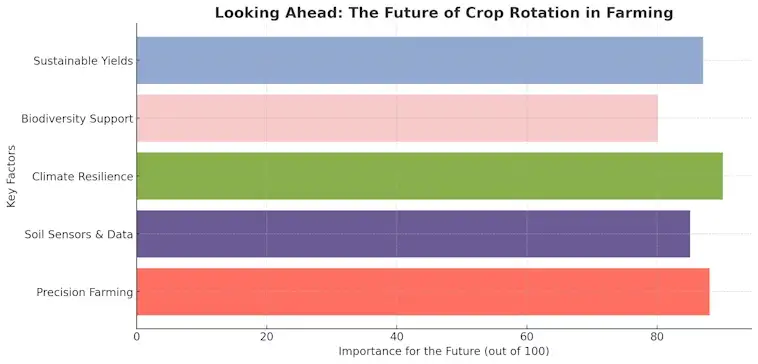
There’s also a growing interest in mixing traditional crops with newer varieties designed for resilience. For example, combining grains with nitrogen-fixing legumes or even specialty cover crops helps farms stay productive while protecting the land.
Crop rotation also plays a role in fighting climate change. Healthy, fertile soil stores more carbon, reduces the need for heavy fertilizer use, and supports biodiversity. This means crop rotation isn’t just about boosting yields—it’s about building a more sustainable future.
Looking ahead, crop rotation will continue to evolve. With better science and smarter tools, it will remain one of the simplest and most powerful ways to protect soil and feed the world.
Building a Fertile Future from the Ground Up
Soil fertility is more than a farming concern—it’s the backbone of our food system and our future. Healthy soil means stronger crops, more nutritious food, and a more resilient planet. The choices we make today, from crop rotation to adding organic matter, will shape the fertility of the land for generations to come.
The good news is that solutions are already within reach. With mindful practices and modern tools, farmers can restore and protect soil health while still keeping their land productive. And when we invest in the soil, we’re investing in the future of farming, food security, and the environment.
In short, fertile soil is not just the ground beneath us—it’s the foundation for a thriving world. The time to care for it is now.