
Are Fossil Fuels Driving a Crisis or a Chance for Change?
Are Fossil Fuels Driving a Crisis or a Chance for Change?
Fossil fuels have powered human progress for more than a century, fueling everything from cars to factories to the lights in our homes. Yet today, their role in shaping the future feels more complicated than ever. Rising global temperatures, extreme weather events, and growing energy demands have sparked urgent debates about how much longer the world can depend on oil, coal, and gas. At the same time, breakthroughs in renewable energy and shifting public attitudes suggest that change is possible. The question is whether the current reliance on fossil fuels is pushing us deeper into crisis, or whether it could become the spark for a more sustainable path forward.
How Fossil Fuels Shaped the Modern World
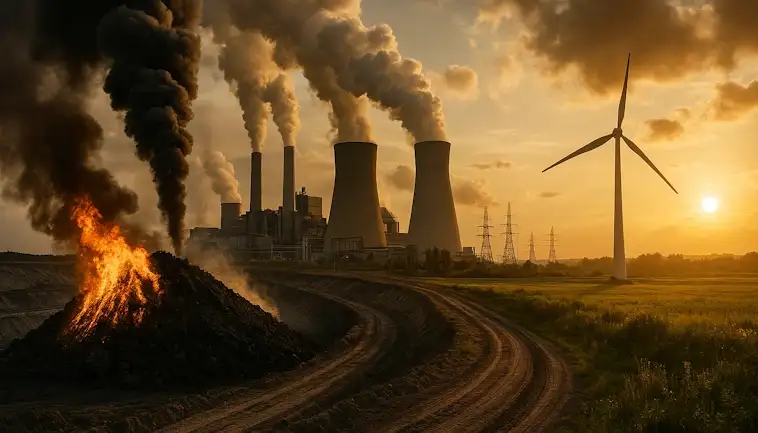
When we think about modern life, it’s almost impossible to ignore the role of fossil fuels. Coal, oil, and natural gas powered the engines of progress. They fueled factories, moved trains across continents, and later filled the tanks of cars and airplanes. In many ways, fossil fuels didn’t just shape our world—they built it.
The Spark That Lit the Industrial Age
The Industrial Revolution would not have happened without coal. Before that, human labor, animals, and wood were the main sources of energy. Coal changed everything. Suddenly, machines could run longer and faster. Cities grew quickly because industries could produce more goods in less time. It was the beginning of global trade as we know it.
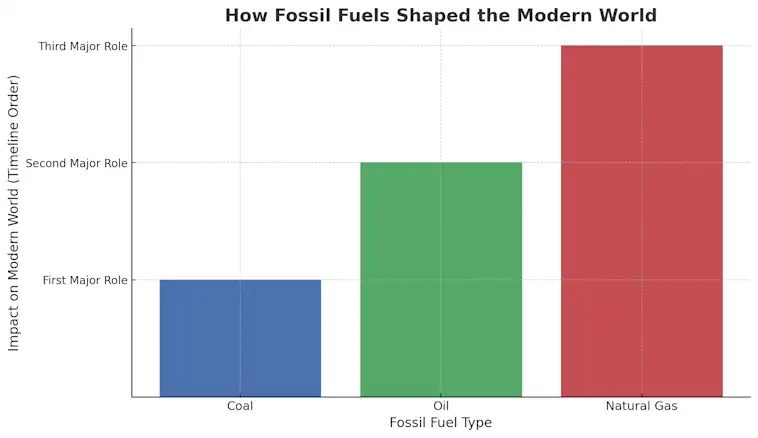
Later, oil and gas took the lead. Cars became common, airplanes connected distant countries, and electricity lit up homes. Fossil fuels gave us speed, convenience, and power on a scale our ancestors could not have imagined.
But there’s another side to the story. While fossil fuels fueled growth, they also created new challenges. From air pollution to climate change, the very energy sources that helped us advance are now pushing us to rethink the future.
Today, as we look toward cleaner alternatives, it’s clear that fossil fuels were both the foundation and the crossroads of modern civilization.
The Environmental Costs of Fossil Fuels
Fossil fuels gave us progress, but they also left a heavy mark on the planet. Every stage of their use—extraction, burning, and even waste—has consequences we can no longer ignore.
When Smoke Turns Into Smog
Think about a busy city morning. Cars stuck in traffic, engines running, exhaust filling the air. That haze isn’t just unpleasant—it’s harmful. Air pollution from burning coal, oil, and gas leads to health problems like asthma and heart disease. Cities around the world are paying the price with rising medical costs and shorter life spans.
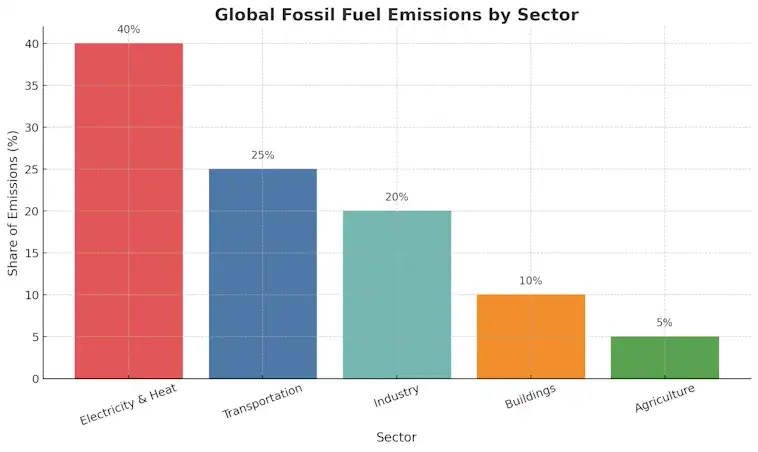
Then there’s climate change. Fossil fuels release carbon dioxide, a greenhouse gas that traps heat in the atmosphere. The result? Hotter summers, stronger storms, and unpredictable weather. We’re already seeing the effects in rising sea levels and shrinking glaciers.
Water and land take a hit too. Oil spills ruin coastlines, while coal mining scars landscapes and pollutes rivers. These damages don’t just fade away—they last for decades.
The truth is simple: while fossil fuels powered growth, they also created an environmental debt. Now, the challenge is figuring out how to pay it back before the cost becomes too high for future generations.
Fossil Fuels and the Climate Crisis: What’s at Stake?
The link between fossil fuels and the climate crisis is clear. Every ton of coal, oil, or gas burned adds more carbon dioxide to the air. That gas traps heat, pushing global temperatures higher. What’s at stake is not just the future of the planet—it’s the future of our daily lives.
Rising Seas, Rising Risks
Imagine a coastal city where the ocean is creeping closer every year. For millions of people, this is already reality. Melting glaciers and polar ice are driving sea levels up, threatening homes, jobs, and even entire nations. It’s not a distant risk—it’s happening now.
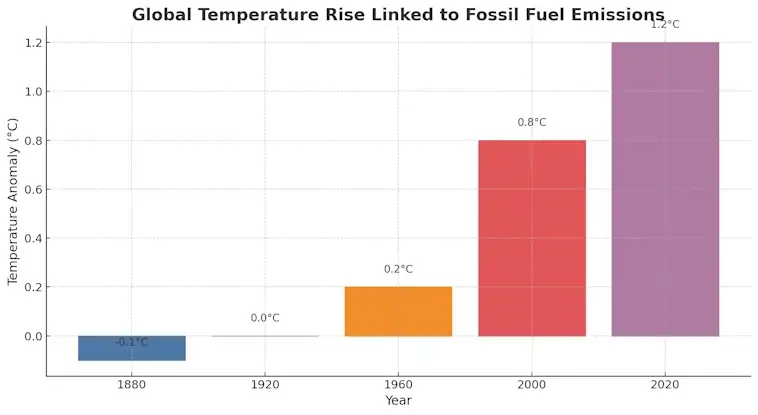
The climate crisis also fuels extreme weather. Stronger hurricanes, intense droughts, and unpredictable rainfall are becoming the new normal. Farmers struggle to protect crops, while communities spend more time recovering from disasters instead of moving forward.
Health is another concern. Heatwaves are breaking records, making cities dangerous for the elderly and those with health conditions. Air quality worsens too, especially where fossil fuels are still the main source of power and transportation.
The big picture? If fossil fuels remain at the center of our energy system, the climate crisis will keep escalating. But if we invest in cleaner alternatives, we can still turn the tide. The choices made today will decide whether future generations inherit a world of opportunity—or a world of crisis.
Can We Transition Away from Fossil Fuels Successfully?
The big question on everyone’s mind is this: can we really move beyond fossil fuels? The short answer is yes—but it won’t be simple. Success depends on technology, policy, and the choices we make as individuals and communities.
From Challenge to Opportunity
Right now, renewable energy is growing faster than ever. Solar panels are cheaper, wind farms are bigger, and battery storage keeps getting better. These shifts show that we don’t just have to dream of a clean energy future—we can build it.
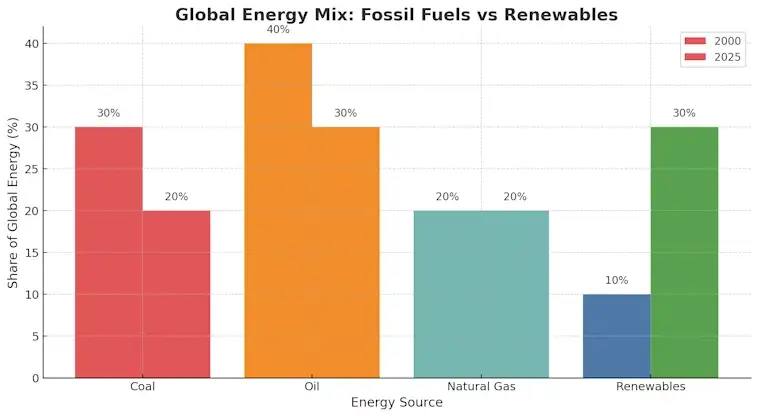
Of course, there are hurdles. Some industries still rely heavily on oil and gas. And many countries need new infrastructure to fully embrace green power. But history shows that big transitions are possible. Just as coal gave way to oil, today we’re seeing the rise of renewable energy as the next big leap.
The benefits go beyond cutting emissions. Clean energy brings new jobs, better air quality, and healthier communities. For countries that depend on imported fossil fuels, renewables also mean greater independence and security.
The bottom line? Transitioning away from fossil fuels is not only possible—it’s already underway. The real question is how quickly we’re willing to move, and whether we’ll treat this challenge as the opportunity of a lifetime.
A Turning Point: Is This Crisis Our Chance for Change?
Every crisis brings hard choices, but it also brings opportunity. The climate crisis, fueled by our reliance on fossil fuels, is forcing us to face the limits of the old way of doing things. But maybe this is the push the world needs to step into something better.
Finding Hope in the Shift
For the first time, clean energy feels like more than just an alternative. It’s becoming the smarter, cheaper, and healthier choice. Solar and wind power are breaking records, and innovations like electric cars and smart grids are reshaping how we live and work. These aren’t distant dreams—they’re happening right now.
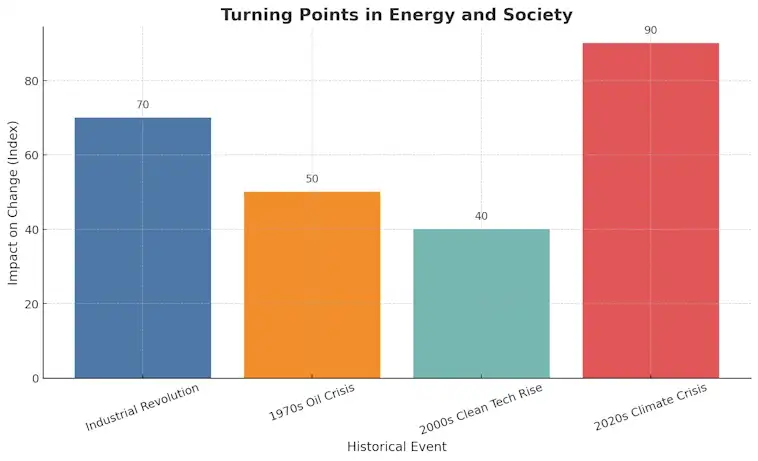
Of course, change won’t be easy. Powerful industries still benefit from fossil fuels, and governments don’t always move as fast as science demands. Yet, moments of crisis often speed up progress. Just think about how quickly societies adapted during past revolutions in technology and industry.
What’s at stake today is more than survival—it’s the chance to build a cleaner, fairer, and more resilient world. If we act boldly, this turning point could be remembered not as the time we lost control, but as the moment we finally chose a new direction.
The Future Beyond Fossil Fuels
Fossil fuels shaped the modern world, but their costs are now impossible to ignore. From powering the Industrial Revolution to fueling cars, planes, and factories, they built our societies. Yet the same energy sources are also driving climate change, pollution, and growing environmental risks.
The good news is that we’re not stuck with the past. Clean energy alternatives like solar, wind, and advanced batteries are already proving that a different future is possible. By investing in innovation and making smarter choices, we can reduce our dependence on fossil fuels while building healthier communities and stronger economies.
The world is standing at a crossroads. Do we hold on to an energy system that damages our planet, or do we embrace one that sustains it? The answer will shape not only our future but the lives of generations to come.
The shift won’t be easy, but history shows that big transitions can lead to even bigger opportunities. Fossil fuels may have built yesterday’s world, but clean energy can build tomorrow’s.