

Biodegradable Plastic Alternatives: Could They Save Our Future?
Biodegradable Plastic Alternatives: Could They Save Our Future?
Plastic has shaped modern life, but it has also created one of the planet’s biggest environmental challenges. From clogged oceans to microplastics in our food, the damage is hard to ignore. Growing concern over waste has sparked a search for better materials, and biodegradable plastics are emerging as a hopeful alternative. These innovations promise packaging, products, and solutions that could break down naturally instead of lingering for centuries. Yet the question remains: is biodegradable plastic truly capable of reshaping our future, or is it just a temporary fix?
What Makes Biodegradable Plastics Different?
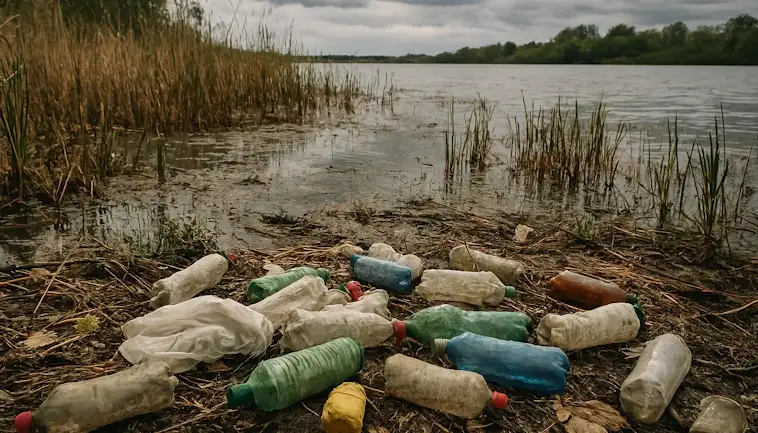
When you hear the word plastic, chances are you think of something that lasts forever. Traditional plastics stick around for centuries, clogging landfills and oceans. Biodegradable plastics are designed to break down much faster, but what makes them so different?
The key is in how they’re made. Instead of relying only on fossil fuels, many biodegradable plastics come from natural sources like corn starch, sugarcane, or vegetable oils. These plant-based ingredients help the plastic decompose under the right conditions, such as heat, moisture, and microbes in the soil.

Not All Bioplastics Are Created Equal
It’s important to know that “biodegradable” doesn’t mean instant. Some products may take months, while others still need industrial composting facilities to fully break down. The big advantage, though, is that they don’t linger in the environment for hundreds of years.
For businesses and consumers, this offers a more sustainable option. It’s a step forward in reducing waste and protecting ecosystems. Imagine food packaging that safely returns to the earth instead of ending up in the ocean—that’s the promise of biodegradable plastics.
The future looks even brighter as new technologies push for faster breakdown times and wider use. While they’re not a perfect solution yet, they are a powerful tool in moving away from the throwaway culture of traditional plastics.
The Environmental Impact of Traditional Plastics
Traditional plastics have changed the way we live. They’re cheap, durable, and found in almost every product we use. But the downside is huge—the environment pays the real price.
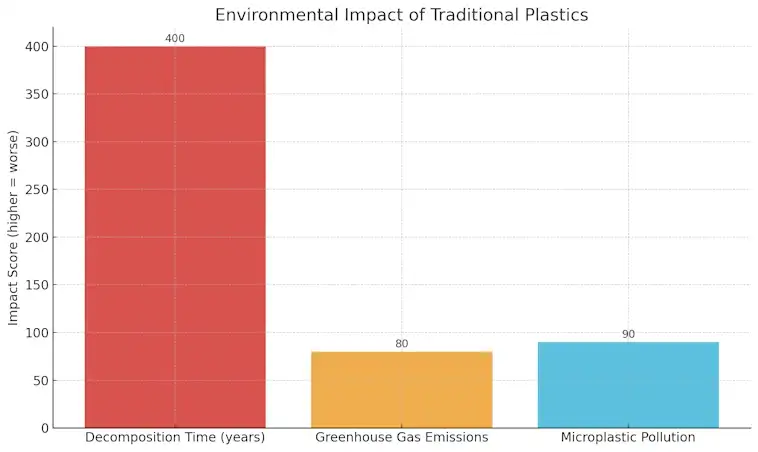
Plastics are made from fossil fuels like oil and gas. Once created, they don’t simply disappear. Instead, they can take hundreds of years to break down. That means every plastic bag, straw, or bottle tossed away decades ago is still out there somewhere.
A Lasting Footprint on Nature
In landfills, plastics pile up and release harmful chemicals as they slowly degrade. In oceans, they break into tiny pieces called microplastics. These are eaten by fish, birds, and even end up in our food and water. The damage goes far beyond what we can see—it quietly enters the food chain and threatens biodiversity.
The production process is also a problem. Manufacturing plastics releases greenhouse gases, adding to climate change. So, the issue isn’t just about waste—it starts from the very beginning of the plastic’s life.
Reducing single-use plastics, recycling more effectively, and choosing alternatives like biodegradable materials are key steps forward. The less traditional plastic we depend on, the healthier our planet will be for future generations.
Top Biodegradable Plastic Alternatives to Know
If you’re looking for greener choices, you’ll be glad to know there are several biodegradable plastics already on the market. Each has its own strengths, and they’re becoming easier to find in everyday products.
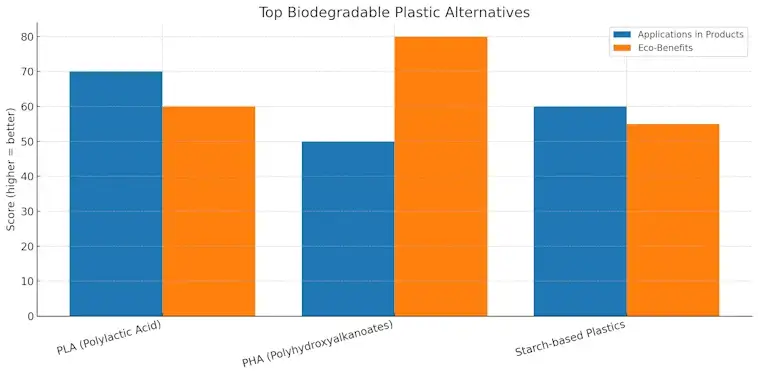
One of the most popular is PLA (Polylactic Acid). It’s made from renewable resources like corn starch or sugarcane. You’ll often see it used in food packaging, disposable cups, or even 3D printing. PLA breaks down faster than traditional plastics, especially in industrial composting facilities.
Another strong option is PHA (Polyhydroxyalkanoates). This one is unique because it’s created by natural bacteria. PHA is fully biodegradable, even in marine environments, which makes it a promising choice for reducing ocean plastic pollution.
Everyday Products That Use Bioplastics
Beyond PLA and PHA, there are starch-based plastics that are used in items like shopping bags, cutlery, and food containers. Some companies also mix biodegradable plastics with recycled materials to make products stronger and more eco-friendly.
These alternatives are far from perfect, but they’re making a big difference. As technology improves, expect to see more everyday items switch to biodegradable options. From packaging to medical devices, the potential is huge.
Choosing these products when you can is one simple way to cut down your plastic footprint and support a more sustainable future.
Challenges Facing Biodegradable Plastics Today
Biodegradable plastics sound like the perfect solution, but they come with their own set of challenges. While they offer clear environmental benefits, the road to replacing traditional plastics isn’t simple.
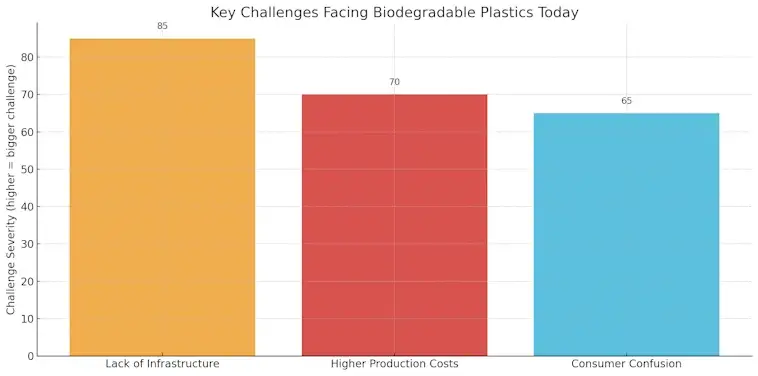
One of the biggest hurdles is infrastructure. Many biodegradable plastics don’t break down properly in a regular landfill. They need the right conditions, such as high heat and industrial composting facilities. Without these systems in place, the “biodegradable” label can be misleading.
Cost and Consumer Confusion
Another issue is cost. Biodegradable plastics are usually more expensive to produce than traditional plastics. This makes it harder for businesses to switch, especially in industries that rely on cheap packaging.
There’s also confusion among consumers. Many people think biodegradable means you can toss it anywhere and it will vanish quickly. The truth is, these plastics can still take time to break down, and if they end up in the wrong place, they might not degrade at all.
Innovation is happening, but scaling up production and building the right waste management systems are key to solving these problems. Until then, biodegradable plastics are a step in the right direction, but not a magic fix.
A Future Beyond Single-Use Plastic
It’s clear that single-use plastics are a big part of the problem. From water bottles to shopping bags, these items are used once and then tossed away. But the future doesn’t have to look like this.
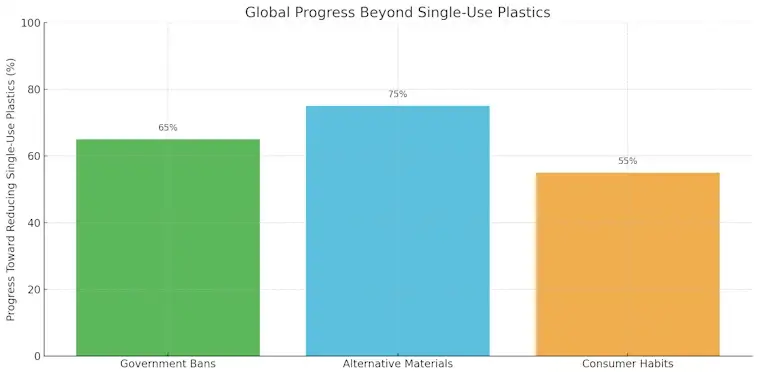
The world is already moving toward smarter, more sustainable solutions. Governments are banning single-use plastics, companies are testing alternatives, and consumers are demanding change. Step by step, we’re shifting to a world where convenience doesn’t come at the cost of the planet.
Innovation Is Leading the Way
Biodegradable packaging, reusable containers, and plant-based materials are only the beginning. Technology is helping us create products that not only replace plastics but also reduce waste at the same time. Imagine carrying food in packaging that safely composts in your garden—that future is closer than you think.
But it’s not just about new materials. Building better recycling systems, encouraging reuse, and rethinking product design are just as important. Together, these changes can help us break free from the throwaway culture of single-use plastic.
The journey won’t be easy, but the direction is clear. A future beyond single-use plastic is possible, and it’s one we can all help build with small choices every day.
The Role of Biodegradable Plastics in a Greener Future
Biodegradable plastic alternatives aren’t a perfect solution, but they are an important step toward reducing our reliance on traditional plastics. From PLA and PHA to starch-based options, these materials show real promise in cutting down waste and protecting ecosystems.
Of course, challenges remain. Costs are still higher, infrastructure is limited, and consumer awareness needs to grow. But innovation is moving fast. With better recycling systems, stronger policies, and everyday choices from people like us, biodegradable plastics can play a powerful role in shaping a cleaner, healthier future.
The question isn’t just could they save our future? It’s whether we’ll choose to support them, adopt them, and push for change. Together, those small steps can add up to something much bigger—a world less dependent on plastic and more focused on sustainability.