

Smog Warning: What You’re Breathing Isn’t Clean Air
Smog Danger: Is the Air Around You Safe to Breathe?
Every breath you take could be exposing you to more than just air. Across cities and even smaller towns, invisible clouds of smog are forming from traffic, industry, and heat. It’s not just an eyesore—it’s a serious health risk. Smog doesn’t just hang in the sky; it sinks into lungs, aggravates asthma, and increases the risk of heart and respiratory diseases.
Understanding what’s in the air isn’t just important—it’s urgent. As smog levels rise with changing climate patterns and growing urbanization, knowing how it forms and how it affects you can make all the difference. Whether you’re walking to work or watching your kids play outside, cleaner breathing starts with awareness.
What Is Smog and Why Should You Worry?
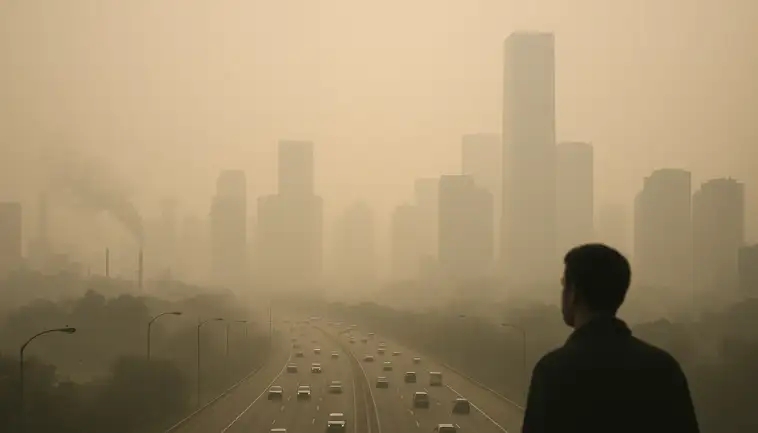
Smog might sound like something out of a dystopian novel, but it’s very real—and it’s closer than you think. At its core, smog is a type of air pollution. It’s a mix of smoke, gases, and tiny particles that hang in the air, often forming a visible haze. Smog typically builds up in cities, especially on hot days when there’s little wind to clear the air.
But where does it come from? Most smog is created when sunlight reacts with pollutants from cars, factories, and power plants. That reaction produces ground-level ozone, which is a major part of smog. While ozone is helpful high up in the atmosphere, at ground level, it can be harmful to your health.
Why Smog Is a Health Concern
Smog isn’t just ugly—it’s dangerous. Breathing it in can trigger asthma, irritate your lungs, and even lead to heart problems over time. Children, the elderly, and people with respiratory conditions are especially at risk. But really, anyone who spends time outdoors when smog levels are high can feel its effects.
Even short-term exposure can cause coughing, throat irritation, or difficulty breathing. Over time, constant exposure may lead to long-term health issues, especially in places where smog is a regular problem.
How Smog Impacts Daily Life
Smog doesn’t just harm your body—it affects your lifestyle too. On high-smog days, local health agencies often recommend staying indoors, avoiding exercise outside, or limiting time spent in traffic. That means less freedom and fewer options for staying active and healthy.
In short, smog isn’t just a pollution problem—it’s a public health one. As urban areas continue to grow, and with climate change affecting weather patterns, the risk of smog-related issues is only rising. It’s worth paying attention.
How Smog Affects Your Lungs and Long-Term Health
Breathing clean air is something most of us take for granted—until it’s no longer an option. Smog, a thick mix of pollutants and particles, doesn’t just cloud the skyline. It quietly harms your lungs, even when you can’t see it.
Smog forms when pollutants from cars, factories, and other sources react with sunlight. This creates ground-level ozone and fine particulate matter, both of which are known to irritate and inflame the lungs.
Short-Term Effects You Might Notice Right Away
Ever felt short of breath during a walk on a hazy day? That could be smog at work. Even healthy lungs can react to polluted air with symptoms like coughing, chest tightness, and throat irritation. For people with asthma, allergies, or chronic lung issues, the impact can be much worse. Exposure to high levels of smog can trigger asthma attacks or make it harder to breathe during normal activities.
Long-Term Damage You Can’t Ignore
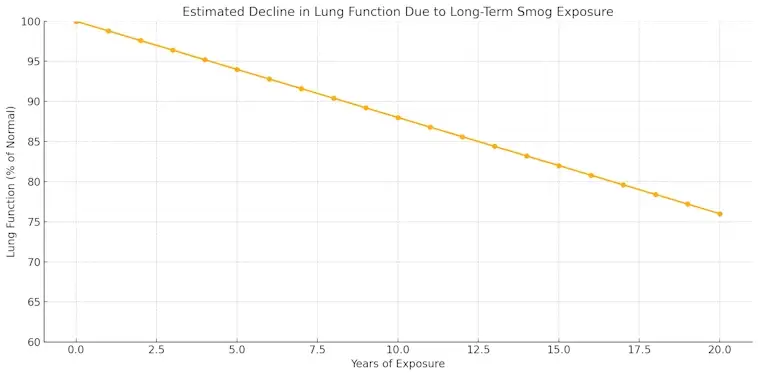
The real danger of smog lies in what it does over time. Repeated exposure doesn’t just cause discomfort—it can permanently reduce lung function, especially in children and teens. Over years, smog has been linked to chronic bronchitis, heart disease, and even lung cancer. Older adults are at greater risk, but long-term exposure can affect people of all ages.
As air quality continues to be a global concern, especially in fast-growing cities, protecting your lungs has never been more important. Staying informed, checking local air quality indexes, and limiting outdoor activity on high-smog days are simple but effective ways to reduce your risk.
Smog may be invisible most days, but its effects on your health are all too real.
Common Causes of Smog in Urban Areas
If you’ve ever looked out over a city skyline and seen a hazy, brownish layer hanging in the air, you’ve seen smog in action. It’s more than just a visual issue—it’s a serious environmental and public health concern. And it’s largely fueled by human activity in urban areas.
Smog forms when pollutants like nitrogen oxides and volatile organic compounds (VOCs) react with sunlight. These pollutants come from everyday sources in city life, and over time, they build up and create the thick haze we recognize as smog.
Vehicle Emissions: A Major Contributor
In most cities, cars, trucks, and buses are the top sources of air pollution. Every time we drive a fuel-powered vehicle, we release gases and particles that help create smog. The problem gets worse during rush hour or in cities with limited public transportation. More traffic means more pollution—and more smog.
Even newer vehicles with cleaner engines still add to the problem when there are millions of them on the road. That’s why urban areas often experience the worst air quality during peak commuting times.
Industrial Activity and Power Plants
Factories and power plants also play a big role. Many burn fossil fuels like coal, oil, or natural gas, releasing pollutants that linger in the air. Even in cities with strong environmental regulations, industrial zones can still produce enough emissions to feed the smog problem.
Construction sites, shipping ports, and even gas stations can all contribute in smaller ways. In areas with high temperatures and little wind, these emissions have nowhere to go—and smog levels spike.
In short, smog in cities isn’t just one person’s fault. It’s the result of millions of small actions happening every day. And while it’s a challenge, understanding the causes is the first step to cleaning up the air we breathe.
The Hidden Pollutants in the Air Around You
You might not see them, smell them, or even think about them—but the air around you is filled with more than just oxygen. Hidden pollutants are all around us, especially in busy cities and industrial areas. These invisible particles and gases can have a big impact on your health, even if you feel fine right now.
While we often worry about visible pollution like smog, the real danger can lie in what we don’t notice. Let’s take a closer look at what might be floating in the air you breathe every day.
What’s Lurking in the Air?
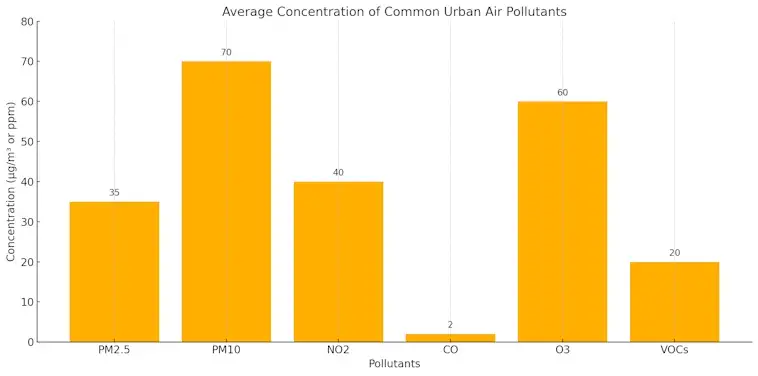
Air pollution isn’t just one thing. It’s a mix of chemicals and particles. Some common pollutants include particulate matter (PM2.5 and PM10), which are tiny dust-like particles that can reach deep into your lungs. There’s also nitrogen dioxide, mostly from car exhaust, and carbon monoxide, which can be deadly in high doses.
Volatile organic compounds (VOCs) are another big concern. These gases come from paints, cleaning products, and industrial sites—and they’re often present indoors as well as outdoors.
How These Pollutants Feed Smog and Harm Your Health
Many of these hidden pollutants are key ingredients in smog. When VOCs and nitrogen oxides mix with sunlight, they create ground-level ozone, a major part of urban smog. Even low levels of exposure over time can cause chronic respiratory problems, fatigue, and inflammation.
The problem is, you often can’t tell when air quality is poor. That’s why checking daily air quality indexes and using air purifiers indoors can help reduce your exposure.
Clean air might feel like a given—but in today’s world, it’s something we need to actively protect.
Simple Ways to Protect Yourself from Dirty Air
Dirty air isn’t just something that happens in faraway industrial zones. It’s often right outside your door—or even inside your home. From traffic fumes to indoor pollutants, the air we breathe every day can affect our health more than we realize. The good news? There are simple, practical steps you can take to reduce your exposure and breathe a little easier.
Whether you live in a bustling city or a quieter suburb, protecting your lungs from air pollution should be part of your everyday routine.
Smog Alerts: What to Watch and When to Act
One of the easiest ways to stay safe is to check your local air quality index (AQI). Many weather apps include it, and cities often issue smog alerts when pollution levels are high. On these days, try to limit outdoor activity—especially exercise. If you must go out, wearing a certified N95 mask can help filter out harmful particles.
Early morning or later in the evening is usually the best time to be outside, as pollution levels often peak mid-day.
Freshen Up Your Indoor Air
Surprisingly, indoor air can be just as polluted as what’s outside. Dust, mold, smoke, and chemicals from cleaning products or candles all contribute. To reduce these risks, keep windows closed on high-pollution days, use an air purifier with a HEPA filter, and regularly clean vents and filters in your home.
Houseplants like snake plants and spider plants can also help filter indoor air naturally—plus, they look great!
Taking small steps like these can make a big difference in your long-term health. After all, clean air isn’t just a luxury—it’s a daily necessity.
Smog Deserves Your Attention
Smog may seem like just another part of city life, but its impact is anything but ordinary. From harming your lungs to contributing to climate change, smog is a silent threat that affects millions every day. The good news is that by understanding what causes it—and how to protect yourself—you’re already one step ahead.
Whether it’s reducing your car use, staying informed about air quality, or improving indoor ventilation, small choices can lead to cleaner air and healthier lives. And while individual actions matter, collective awareness is what truly drives change.
Smog isn’t going away on its own. But with smarter choices, better policies, and a growing public interest in cleaner air, we can clear the path toward a healthier future—for ourselves, and the generations to come.
Stay informed. Stay protected. And don’t let smog go unnoticed.