

Habitat Protection Saves Species and Our Future
Habitat Protection Is Key to Earth’s Future Health
Protecting natural habitats is one of the most effective ways to prevent species from disappearing forever. When forests, wetlands, oceans, and grasslands are safeguarded, wildlife has the space and resources it needs to survive and thrive. But this isn’t just about animals. Habitat protection also shields humanity from the long-term impacts of biodiversity loss — from climate instability to food insecurity.
As natural ecosystems shrink, the ripple effects touch everything from the air we breathe to the crops we grow. That’s why habitat protection isn’t just a conservation goal. It’s a global necessity. Making space for nature today helps ensure a safer, more resilient world tomorrow.

Why Habitat Protection Is Key to Preventing Extinction
When we talk about extinction, we often picture endangered animals or species we’ve already lost. But the real issue starts earlier—when their homes begin to disappear. Protecting natural habitats is one of the most powerful ways we can stop species from going extinct. Without a safe and stable environment, wildlife simply can’t survive or reproduce.
The Link Between Habitat Loss and Species Decline
Across the globe, forests, wetlands, grasslands, and coral reefs are being cleared or damaged at an alarming rate. This destruction is mainly driven by farming, mining, logging, and urban development. When a habitat is damaged, the species that rely on it are pushed into smaller, fragmented areas. That puts them at greater risk from predators, competition, and climate extremes. In some cases, they can no longer find enough food or shelter to survive.
Protecting Habitats Helps Us Too
It’s not just about the animals. Healthy ecosystems provide clean water, regulate our climate, and even help reduce the risk of pandemics by keeping wildlife disease in check. When we protect habitats, we also protect ourselves. And in the long run, it’s far more effective—and affordable—than trying to save species after they’ve become critically endangered.
The good news? Nature is resilient. When we give it a chance, forests grow back, wetlands heal, and wildlife returns. By supporting conservation efforts, enforcing environmental laws, and promoting sustainable development, we can reverse the damage.
Protecting habitats isn’t just a nice idea. It’s the foundation of every serious plan to prevent extinction. If we want future generations to live in a world rich with wildlife, the time to act is now.
How Habitat Protection Supports Ecosystems and Communities
Habitat protection isn’t just about saving endangered species. It’s also about creating stronger, more resilient ecosystems—and supporting the people who rely on them. When natural habitats thrive, they provide essential services that benefit both the environment and human communities.
Nature’s Built-In Support System
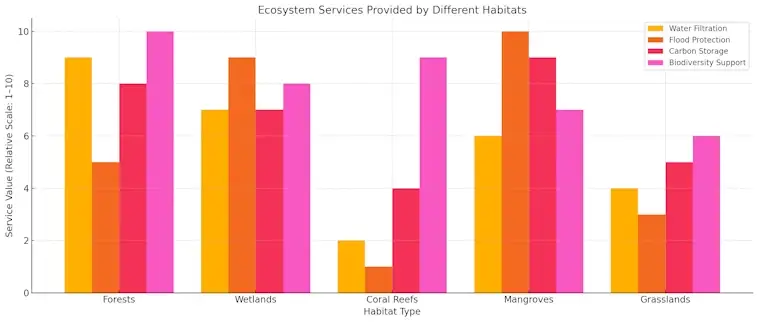
Healthy habitats—like forests, wetlands, and coral reefs—are nature’s support system. They clean our air and water, regulate temperature, and help control floods and erosion. These functions may go unnoticed, but they’re critical to life as we know it.
For example, coastal mangroves act as a natural barrier against storms and rising seas. Forests filter drinking water and reduce the risk of landslides. Pollinators like bees and butterflies depend on thriving habitats to survive—and in return, they support food crops that feed billions of people. When we protect these systems, we’re also protecting the invisible safety nets we depend on every day.
Empowering Local Communities
Habitat protection also strengthens communities—especially those that live closest to nature. Many indigenous and rural groups rely on forests, rivers, and grasslands for food, medicine, and income. Conservation efforts that involve local communities often lead to better results. People become stewards of the land when they see the long-term benefits of preserving it.
Ecotourism is another powerful example. Protected areas attract visitors, generate jobs, and provide income without destroying the environment. It’s a sustainable model that works.
In short, habitat protection isn’t just good for wildlife—it’s essential for human well-being. By investing in nature, we’re building healthier ecosystems and stronger communities at the same time. The more we value and protect these natural spaces, the more they’ll give back—for generations to come.
The Long-Term Benefits of Habitat Protection for Climate and Conservation
When we think about climate action or saving wildlife, we often see them as separate issues. But they’re deeply connected. Protecting natural habitats offers long-term benefits for both conservation and climate resilience. It’s a win-win strategy that supports biodiversity while also helping to slow global warming.
Forests and Wetlands as Natural Climate Solutions
Forests, wetlands, and other intact ecosystems absorb and store vast amounts of carbon. In fact, protecting these areas is one of the most effective ways to reduce greenhouse gas emissions. Unlike man-made solutions, these natural carbon sinks don’t need to be invented—they just need to be preserved. Wetlands, for example, not only store carbon but also protect communities from flooding and sea-level rise.
At the same time, these habitats are home to thousands of species that are increasingly vulnerable to climate stress. Keeping these ecosystems intact means wildlife has space to move, adapt, and survive.
A Smarter Investment in the Future
Habitat protection also makes economic sense. It supports clean water supplies, food security, and even tourism. Restoring degraded areas creates jobs, boosts local economies, and strengthens community resilience. Compared to the cost of dealing with environmental disasters or species extinction later on, prevention is far more affordable.
By acting now, we create a future where people and nature thrive together. Habitat protection is more than just a conservation goal—it’s a climate solution, a health safeguard, and a smart long-term investment.
In the years ahead, protecting habitats will be one of the most effective tools we have to fight climate change and protect our planet’s incredible diversity. It’s not just about saving nature—it’s about saving our shared future.
Real-World Success Stories: Saving Species Through Local Action
Across the globe, local communities are proving that meaningful change starts close to home. While headlines often focus on the loss of biodiversity, there are many inspiring stories where grassroots efforts have helped species recover and ecosystems rebound. These success stories remind us that habitat protection and community-led action go hand in hand.
Habitat Protection That Made a Difference
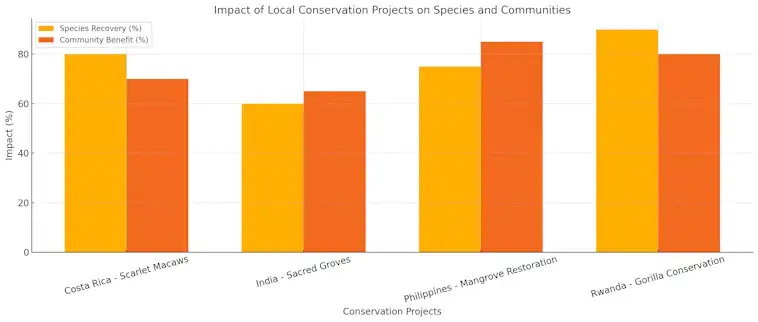
In Costa Rica, community reforestation programs have helped bring back the once-declining population of the scarlet macaw. By restoring native trees and creating biological corridors, local groups gave the birds a safe space to nest and feed. Tourism flourished as a result, providing income while reinforcing the value of protecting nature.
Similarly, in India, villagers in the Western Ghats banded together to protect sacred groves—small patches of forest considered spiritually important. These groves became safe havens for rare plant species and native wildlife, all while sustaining traditional culture.
Community Engagement Saves More Than Species
These projects aren’t just about wildlife—they’re about people, too. In the Philippines, coastal communities restored mangrove forests to protect against typhoons. Not only did fish populations bounce back, but storm damage also decreased. The community gained both economic and environmental resilience.
Education has also played a powerful role. In Rwanda, conservation clubs in schools helped raise awareness about the endangered mountain gorilla. The result? A boost in eco-tourism and growing support for gorilla conservation at the grassroots level.
Local efforts may seem small, but when combined, they create a global wave of change. These stories show that anyone, anywhere, can help protect nature. When people take ownership of conservation, species don’t just survive—they thrive.
What You Can Do Today to Help Protect Natural Habitats
You don’t need to be a scientist or activist to make a real difference for the planet. Every action counts when it comes to protecting the places where wildlife live and thrive. The best part? Many of the things you can do today are simple, affordable, and surprisingly effective.
Small Habits, Big Impact
Start with your everyday choices. Reducing single-use plastics, supporting local farmers, and cutting back on meat can all lower your environmental footprint. Buying from eco-conscious brands helps reduce pressure on forests, oceans, and grasslands that are often exploited for raw materials.
You can also make your home more wildlife-friendly. Planting native species, avoiding pesticides, and setting up water sources can support birds, bees, and butterflies—even in urban areas. If you live near natural areas, stay on marked trails to avoid disturbing delicate ecosystems.
Support Habitat Protection Through Your Voice and Wallet
Another powerful step is to support organizations that focus on habitat protection. Whether you donate, volunteer, or simply share their work online, you’re helping raise awareness and fund essential conservation efforts. Every dollar and every conversation adds up.
You can also vote with your choices—literally. Advocate for policies and leaders who prioritize environmental protection. Join local clean-up events, tree-planting drives, or citizen science projects. These efforts may seem small, but collectively, they protect land, water, and wildlife.
The truth is, nature needs allies—and you can be one of them. By making conscious choices, staying informed, and getting involved, you’re helping create a world where natural habitats are valued and protected for generations to come.
Habitat Protection Matters Now More Than Ever
Habitat protection is more than just a conservation issue—it’s a foundation for a healthier, more sustainable future. From stabilizing our climate to preserving biodiversity and supporting local communities, protecting natural spaces benefits everyone.
The choices we make today will shape the world our children inherit. Whether it’s backing conservation efforts, supporting eco-friendly policies, or making simple lifestyle changes, we all have a role to play. And the good news is, it’s not too late. Nature is incredibly resilient when given the chance to recover.
By prioritizing habitat protection, we’re not only saving species—we’re protecting the systems that keep our planet alive and thriving. It’s a commitment to balance, to stewardship, and to long-term well-being for both people and the planet.
Let’s be part of the generation that turned the tide. The path to a better world starts with protecting the places that make life possible.