

Polar Habitats Are Disappearing Faster Than Ever
Why Polar Habitats Are On the Brink of Collapse
Polar habitats are some of the most extreme and important environments on Earth. Found in the Arctic and Antarctic regions, these icy landscapes play a crucial role in regulating the planet’s climate. They reflect sunlight, store vast amounts of carbon, and support unique ecosystems that have adapted to survive in freezing conditions.
But today, polar habitats are disappearing at an unprecedented rate. Melting ice, warmer oceans, and shifting weather patterns are changing these regions more quickly than scientists once thought possible. As the ice shrinks, the balance of life in the polar zones is being disrupted—with serious consequences for animals, people, and the climate system as a whole.
Understanding why these changes are happening is essential for anyone who cares about the future of the planet.
Why Polar Habitats Matter More Than Ever Today
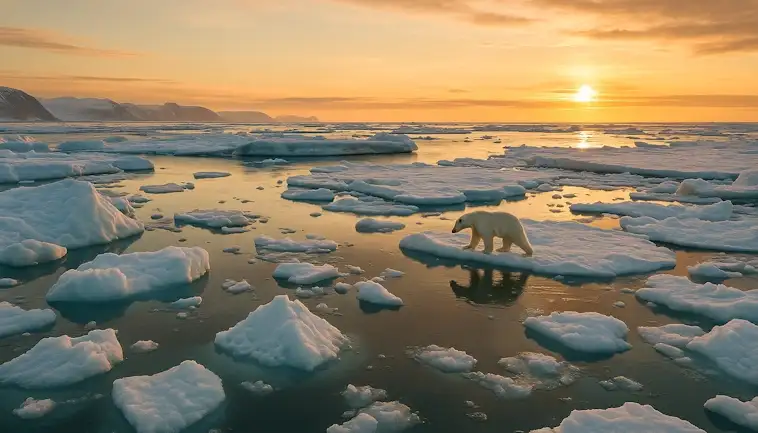
The icy regions at the top and bottom of our planet may seem remote, but they’re more connected to our everyday lives than many people realize. Polar habitats—home to species like polar bears, emperor penguins, and Arctic foxes—play a crucial role in regulating the Earth’s climate. And in today’s warming world, these habitats are under greater threat than ever before.
The Poles Are Our Planet’s Early Warning System
Think of the polar regions as Earth’s canary in the coal mine. They’re among the first places to feel the impact of rising global temperatures. As the Arctic and Antarctic ice melts, sea levels rise and weather patterns shift, affecting everything from coastal communities to global agriculture. In short, what happens at the poles doesn’t stay at the poles.
Ice also reflects sunlight, keeping our planet cool. But when ice melts, it exposes darker ocean water, which absorbs more heat. This speeds up warming—a feedback loop that scientists call the “albedo effect.” And it’s happening faster than predicted.
Protecting Biodiversity in Extreme Conditions
Polar habitats are also home to unique wildlife that has adapted to some of the harshest conditions on Earth. These ecosystems may look empty at first glance, but they’re rich in life—from tiny plankton to massive whales. Losing these habitats means losing entire food chains that support life both in and beyond the poles.
Preserving polar environments isn’t just about saving the ice. It’s about protecting the systems that help our planet stay balanced and livable. If we care about climate stability, ocean health, and global biodiversity, we need to care about the poles.
The bottom line? Polar habitats matter—not just for the animals that live there, but for all of us. Their future is tied to our own.
How Climate Change Is Rapidly Reshaping Polar Habitats
Polar regions are no longer the frozen, unchanging landscapes we once imagined. Today, climate change is rewriting the story of the Arctic and Antarctic—faster than many experts predicted. The effects are widespread, dramatic, and impossible to ignore.
Melting Ice, Rising Seas
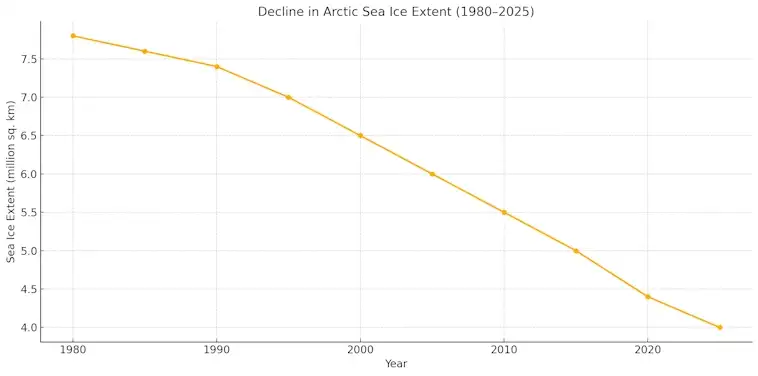
One of the most visible signs of change is the rapid loss of sea ice. In the Arctic, summer sea ice is shrinking year after year, opening up areas that were once locked in ice for millennia. This isn’t just a problem for polar bears and seals—it’s a global issue. Melting glaciers and ice sheets in Greenland and Antarctica are adding vast amounts of freshwater to the oceans, driving sea level rise that threatens coastal cities around the world.
And it’s not just about the water. The loss of reflective ice means more heat is absorbed by the Earth’s surface, leading to even faster warming. Scientists call this a feedback loop—and it’s speeding up climate change everywhere.
Wildlife on the Edge
Animals in polar regions are being forced to adapt—or disappear. Species that depend on sea ice for hunting, breeding, or shelter are struggling to survive. Polar bears are venturing further for food, and penguin colonies are declining as their icy habitats shrink.
These changes aren’t happening in isolation. As polar ecosystems shift, entire food webs are being disrupted. From plankton to whales, the balance of life in these regions is at risk.
The poles are changing fast—and so are the stakes. If we want a stable climate and a thriving planet, we must act now to slow the damage and protect what’s left of these vital habitats.
The Wildlife at Risk as Polar Habitats Disappear
As polar habitats shrink, the animals that rely on them face an uncertain future. These cold, remote regions are home to some of the world’s most iconic—and most vulnerable—wildlife. But rising temperatures, melting ice, and shifting ecosystems are pushing many species to the brink.
Polar Bears Are Losing Their Hunting Grounds
Perhaps the most recognizable face of climate change is the polar bear. These powerful predators depend on sea ice to hunt seals, their main food source. But as the ice melts earlier each spring and forms later each fall, bears are forced to travel farther and expend more energy just to survive. Some are even heading toward human settlements in search of food, a sign of growing desperation.
And it’s not just about hunting. The disappearing ice also affects polar bear reproduction and cub survival. Without stable, icy platforms, mother bears struggle to raise their young in the harsh Arctic environment.
Penguins, Seals, and the Chain Reaction
In the Southern Hemisphere, emperor penguins are facing a similar crisis. They rely on Antarctic sea ice for breeding and chick rearing. As their icy nesting grounds vanish, so too do their chances of survival. Meanwhile, ice-dependent seals are seeing their feeding and resting areas disappear beneath them.
These changes don’t just impact individual species—they send shockwaves through the entire food web. When smaller species like krill and fish lose their habitats, larger animals that feed on them, such as whales and seabirds, are also affected.
Polar wildlife has evolved to thrive in extreme conditions. But climate change is altering those conditions faster than many species can adapt. If we lose these animals, we don’t just lose biodiversity—we lose vital links in the health of our planet.
What the Loss of Polar Habitats Means for the Planet
The loss of polar habitats isn’t just a problem for the Arctic and Antarctic. It’s a global warning sign—and the impacts ripple far beyond the ice. As these frozen regions melt and change, they’re reshaping the entire planet in ways that affect our weather, our oceans, and even the air we breathe.
Melting Ice Disrupts Global Climate Patterns
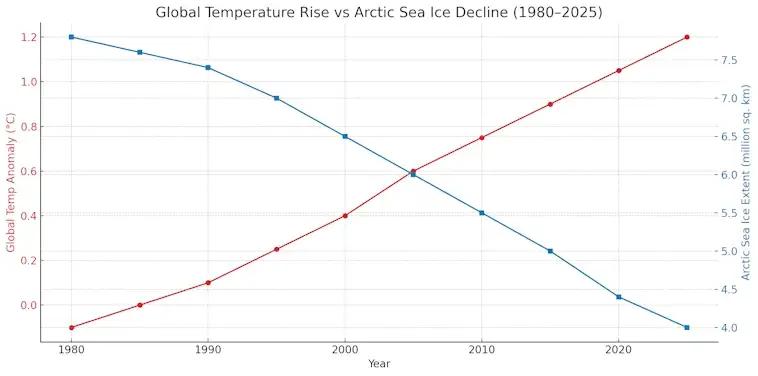
Polar ice plays a key role in keeping Earth’s climate stable. It reflects sunlight, helping to cool the planet. But as glaciers and sea ice disappear, darker ocean water and land absorb more heat. This leads to faster warming—a feedback loop that accelerates climate change worldwide.
Changes in the polar regions also affect jet streams and ocean currents, which help regulate weather patterns. As these systems shift, we’re seeing more extreme weather events like heatwaves, droughts, and stronger storms in places thousands of miles from the poles.
Ocean Life Is Feeling the Heat
As polar ice melts, it adds freshwater to the oceans, which disrupts delicate ecosystems and changes ocean circulation. These shifts can alter fish migration, reduce oxygen levels, and damage coral reefs. Even marine animals in warmer regions can feel the impact of polar changes.
The polar regions also store large amounts of carbon in permafrost and ice. As they thaw, this carbon is released into the atmosphere, further fueling global warming.
In short, what happens in the Arctic and Antarctic doesn’t stay there. The health of our planet is closely tied to the health of these icy environments. Protecting polar habitats is not just about saving wildlife—it’s about preserving the systems that keep Earth livable for everyone.
How We Can Help Protect Polar Habitats Before It’s Too Late
Polar habitats are vanishing fast, but there’s still time to make a difference. While the scale of the challenge can feel overwhelming, every action—big or small—helps push us in the right direction. The key is understanding how our choices connect to the health of these fragile ecosystems.
Cut Carbon to Slow the Melting
The biggest threat to polar regions is climate change, fueled by rising carbon emissions. That means one of the most effective ways to protect the Arctic and Antarctic is to reduce our carbon footprint. You can start by using energy-efficient appliances, supporting clean energy, and driving less whenever possible. Even switching to a plant-rich diet or cutting back on fast fashion can make a measurable impact.
Governments also have a major role to play. Support policies and leaders who prioritize climate action and invest in green infrastructure. The faster we transition away from fossil fuels, the better the odds for polar ice and the species that depend on it.
Support Conservation and Research
Another powerful way to help is by supporting organizations that work to protect polar ecosystems. These groups fund vital scientific research, monitor wildlife populations, and advocate for international protections. Donations, memberships, and even social shares can raise awareness and drive action.
Education matters too. Share what you know about polar habitats with others. The more people understand how closely their lives are tied to the poles, the more likely they are to care.
Protecting polar habitats isn’t just about saving distant landscapes—it’s about safeguarding the planet we all call home. The time to act is now, while there’s still ice left to save.
Saving Polar Habitats Matters for Us All
The loss of polar habitats is not just a distant environmental issue—it’s a global crisis with far-reaching consequences. From rising sea levels to shifting weather patterns, the melting Arctic and Antarctic are reshaping life on Earth as we know it. And the damage isn’t limited to ice and wildlife. It affects communities, economies, and ecosystems across the globe.
But here’s the hopeful part: it’s not too late to make a difference.
By reducing carbon emissions, supporting conservation efforts, and demanding climate action, we can help slow the decline and protect what remains of these vital regions. Polar habitats play a critical role in keeping our planet stable, and their survival is directly linked to our own.
The choices we make today will decide the future of the poles—and the future of our planet. Let’s choose to protect, to act, and to care—before the ice disappears for good.