

Waste Recycling Solutions for a Greener World
The Future of Waste Recycling Starts With You
A cleaner planet starts with smarter choices. Waste recycling is one of the most powerful ways to reduce pollution, cut down on landfill use, and conserve natural resources. As environmental concerns grow, so does the need for more effective and innovative recycling solutions. From curbside programs to high-tech sorting systems, there are more opportunities than ever to rethink how waste is handled. The goal is simple: turn today’s trash into tomorrow’s resource.
Why Waste Recycling Matters More Than Ever Today
In today’s fast-paced world, we’re generating more waste than ever before. From packaging and electronics to food scraps and fashion, our landfills are filling up—fast. Recycling used to be a good idea. Now, it’s a necessity. Why? Because the way we manage waste directly affects our environment, our health, and the future of our planet.
Recycling helps reduce the demand for raw materials like timber, water, and minerals. It cuts down on greenhouse gas emissions and saves energy. But beyond that, it also protects biodiversity. When we recycle, we reduce the need for mining, drilling, and deforestation. These processes not only destroy ecosystems but also release harmful pollutants into the air and water.
A Shift Toward a Circular Economy
The world is moving away from a “take, make, waste” mindset and leaning toward a circular economy. That means designing products to last longer, be reused, or broken down and remade. Recycling plays a key role in making this transition possible. It’s no longer just about separating cans and bottles. It’s about changing the way we think about materials entirely.
What Happens If We Don’t Act?
Ignoring recycling has real-world consequences. Overflowing landfills, rising pollution, and a growing climate crisis are just the beginning. Valuable materials are being tossed away every day. Meanwhile, industries keep extracting more resources to keep up with demand. That’s not just wasteful—it’s unsustainable.
So yes, recycling matters. More than ever. It’s one of the simplest things we can all do to help tackle big environmental problems. And the good news? Every piece of waste we recycle today helps shape a cleaner, greener tomorrow.
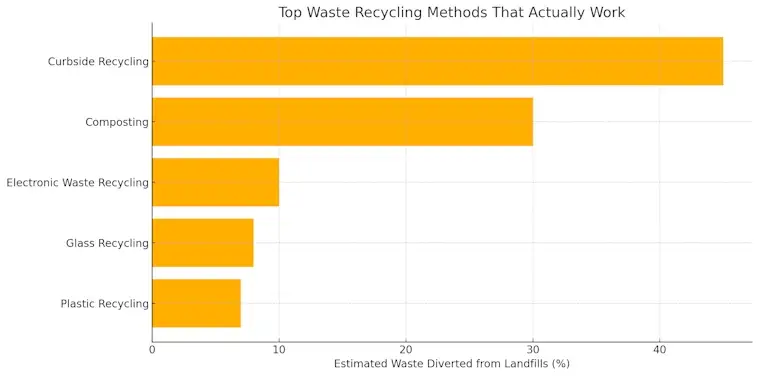
Top Waste Recycling Methods That Actually Work
When it comes to reducing waste, not all recycling methods are created equal. Some are more effective, scalable, and eco-friendly than others. As waste levels continue to rise globally, knowing which methods actually make a difference can help us make smarter choices—at home, at work, and in our communities.
Curbside Recycling: Still a Powerful First Step
One of the most widely used and successful recycling systems is curbside collection. It allows households to separate paper, cardboard, plastics, and metals easily. When done correctly, this method diverts tons of waste from landfills every year. However, contamination (like mixing food waste with recyclables) can still be a big problem. That’s why education and clear labeling are key.
Composting: Turning Food Waste Into Gold
Food waste makes up a massive portion of what we throw away. The good news? Composting turns that waste into nutrient-rich soil. Whether it’s done in your backyard or by a city-run facility, composting cuts methane emissions from landfills and supports local agriculture. It’s a win-win for the planet and your garden.
Other proven methods include electronic waste recycling, which safely extracts valuable materials from gadgets, and glass recycling, where glass is crushed and reused endlessly without loss in quality.
The takeaway? Recycling works best when it’s accessible, properly sorted, and supported by local systems. With better awareness and more innovation, these methods can scale even further.
The more we commit to using the right recycling techniques, the closer we get to a cleaner and more sustainable future. Let’s make sure what we toss out today doesn’t become tomorrow’s burden.
Innovative Waste Recycling Technologies Changing the Game
As the world faces growing waste challenges, innovation is stepping in to provide smarter, faster, and more efficient recycling solutions. These cutting-edge technologies are transforming the way we manage waste—making recycling more effective, less labor-intensive, and better for the planet.
AI-Powered Sorting Systems
One of the biggest breakthroughs in recent years is the use of artificial intelligence in recycling plants. Smart sorting systems use sensors, cameras, and machine learning to identify and separate materials more accurately than ever before. This reduces contamination, boosts recycling rates, and lowers overall processing costs. It’s like having a robot with super-vision sorting your waste.
Chemical Recycling: A Deeper Clean
Traditional recycling struggles with mixed plastics and degraded materials. Enter chemical recycling. Unlike mechanical recycling, which grinds and melts down plastics, chemical processes break waste down to its original molecular form. This allows previously “unrecyclable” plastics to be reused, creating a closed-loop system with minimal waste.
Other exciting advancements include plasma gasification, which turns waste into clean energy, and blockchain tracking systems, which create transparent supply chains for recycled materials. These tech-driven solutions are paving the way for a more circular economy.
And the best part? Many of these innovations are already being tested—or even implemented—in cities around the world. They’re not science fiction. They’re here and making a real impact.
Recycling is no longer just about what we throw in the recycling bin. It’s about how we design, track, and repurpose materials using the power of technology. With continued investment and public support, these innovations could dramatically reduce global waste in the years ahead.
How Communities Are Leading the Way in Waste Recycling
Across the globe, local communities are stepping up to tackle the growing waste crisis. While governments and corporations play a role, it’s often grassroots action that drives the most meaningful and lasting change. From neighborhood programs to city-wide initiatives, communities are showing what’s possible when people come together with purpose.
Local Programs That Make a Difference
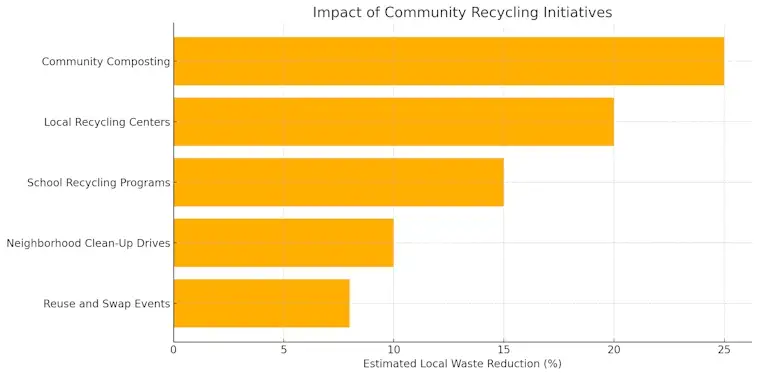
In many towns and cities, community-led recycling programs are proving to be both efficient and inspiring. Take community composting, for example. These small-scale operations divert food scraps from landfills and return valuable nutrients to the soil. Some neighborhoods even host drop-off spots or run “zero waste” workshops to help educate residents.
In urban areas, community-run recycling centers offer a space where people can donate, swap, or repurpose items instead of throwing them out. These hubs promote reuse, reduce consumption, and foster a sense of local pride.
Schools and Youth Are Driving Change
Another force behind community recycling success? Young people. Schools are increasingly incorporating sustainability into their curriculum, often launching recycling competitions, clean-up events, or eco-clubs. These programs not only cut waste—they create a culture of responsibility that can last a lifetime.
What’s powerful about community action is that it’s scalable. One apartment building, one school, or one street can spark a movement that spreads across an entire city. And when people see the results—cleaner parks, lower waste bills, healthier environments—they stay engaged.
Recycling is no longer just a top-down mandate. It’s a grassroots revolution. With a little creativity and a lot of collaboration, communities everywhere are proving that real change starts at the local level.
Simple Waste Recycling Tips You Can Start Using Now
Recycling doesn’t have to be complicated. In fact, some of the most effective changes start right at home. Whether you’re a beginner or just looking to improve your current habits, these easy tips can help reduce your environmental impact—starting today.
Know What Can (and Can’t) Be Recycled
The first step is understanding what your local recycling program actually accepts. Many people toss items into the bin with good intentions, but “wish-cycling” can do more harm than good. Common non-recyclables like greasy pizza boxes, plastic bags, or broken glass can contaminate entire loads of recyclables. When in doubt, check your local council’s website for a clear list.
Also, rinse containers before recycling. A quick rinse of that yogurt tub or soup can helps keep the recycling stream clean and efficient.
Reuse Before You Recycle
Before you toss anything, ask yourself if it can be reused. Glass jars make great storage containers. Old t-shirts can be turned into cleaning rags. Even cardboard boxes can become organizers or craft projects. Reusing helps reduce waste before it even hits the recycling bin.
Try keeping a “reuse” box in your home for items that still have life left in them. You’ll be surprised how quickly it fills up—and how often you reach for something in it.
These simple habits, when practiced regularly, add up. They reduce landfill waste, conserve natural resources, and help create a more sustainable lifestyle. And the best part? They’re free, easy, and completely within your control.
Recycling doesn’t have to be overwhelming. Start small, stay consistent, and share what you learn. Every smart choice you make today helps build a cleaner future for everyone.
Building a Greener World Starts with Smarter Recycling
As we face the mounting challenges of climate change and overflowing landfills, it’s clear that effective waste recycling solutions are more important than ever. From advanced technologies and community initiatives to simple everyday habits, there are countless ways we can all play a role in reducing waste and protecting our planet.
Recycling isn’t just about sorting bins—it’s about rethinking how we use resources, what we throw away, and how we can do better. Whether it’s supporting local programs, embracing new innovations, or making small changes at home, every action counts.
The shift toward a greener world begins with awareness but grows through action. By adopting smarter recycling habits and supporting sustainable systems, we can reduce environmental harm, conserve natural resources, and leave a cleaner, healthier planet for future generations.
Let’s keep the momentum going. Share what you’ve learned, stay curious, and be part of the solution. Because a greener world isn’t just possible—it’s within reach, one recycled item at a time.