

Rising Temperatures Threaten Our Way of Life
Rising Temperatures Are Changing Life as We Know It
Rising temperatures are no longer a distant concern. They are reshaping the world around us today, from longer heatwaves to shifting seasons. Communities are facing growing challenges as extreme weather disrupts homes, food supplies, and daily routines. Scientists warn that if global temperatures keep climbing, the effects on health, economies, and ecosystems will only intensify. Understanding why this is happening and what it means for the future is key to preparing and finding solutions.

How Rising Temperatures Are Fueling Extreme Weather
As global temperatures climb, extreme weather events are becoming more intense, more frequent, and far less predictable. From blistering heatwaves and stronger hurricanes to unexpected floods and prolonged droughts, the connection between rising temperatures and extreme weather is now impossible to ignore.
Hotter Air Means More Energy
Warmer air holds more moisture, and that means more fuel for storms. Hurricanes, for example, thrive on warm ocean water. When sea surface temperatures rise even by just a degree or two, storms can rapidly intensify, becoming more destructive and harder to forecast. The same goes for rainstorms. Increased heat causes more evaporation, and more moisture in the air leads to heavier downpours. That’s why we’re seeing record rainfall in some areas while others are drying out faster than ever.
Heatwaves Are Getting Longer and Deadlier
Heatwaves are no longer rare events—they’re becoming the norm in many regions. Higher global temperatures are making these heat spells more intense and prolonged. Cities are especially vulnerable due to the “urban heat island” effect, where concrete and asphalt trap heat. These longer, hotter periods strain power grids, worsen air quality, and increase the risk of heat-related illnesses, especially among vulnerable populations like the elderly and young children.
Climate scientists warn that without serious action, the cycle will only intensify. Rising temperatures create feedback loops—melting ice, drying forests, and warming oceans—that speed up climate change and make extreme weather even more severe.
The future may be uncertain, but the science is clear. If we want to reduce the risks of extreme weather, tackling rising temperatures must be a global priority. It’s not just about the environment anymore—it’s about safety, health, and survival.
Rising Temperatures and Their Impact on Global Health
As the planet heats up, the consequences aren’t just environmental—they’re deeply personal. Rising temperatures are reshaping global health in ways that are already being felt, especially in the world’s most vulnerable communities. From heat-related illnesses to the spread of infectious diseases, climate change is becoming one of the biggest public health threats of our time.
Heatwaves and the Hidden Toll on the Body
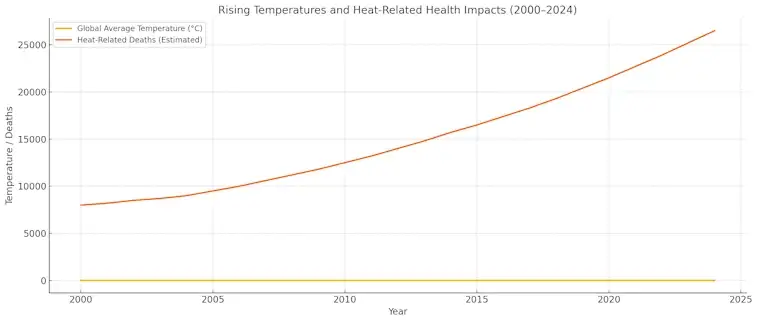
When temperatures soar, so does the risk of heatstroke, dehydration, and cardiovascular stress. In fact, prolonged exposure to extreme heat can overwhelm the body’s ability to cool itself, especially in older adults, young children, and people with chronic conditions. Cities, packed with concrete and limited green spaces, tend to trap heat—making urban populations particularly at risk. The result? More emergency room visits, more hospitalizations, and tragically, more heat-related deaths.
Changing Climates Are Shifting Disease Patterns
Warmer temperatures also help disease-carrying insects like mosquitoes and ticks expand into new regions. Diseases such as malaria, dengue fever, and Lyme disease are showing up in areas where they were once rare or nonexistent. At the same time, rising heat can worsen air quality, triggering respiratory issues like asthma and aggravating heart and lung diseases.
The ripple effects of rising temperatures on mental health are also gaining attention. Communities dealing with constant climate stress—from droughts to wildfires—face increased anxiety, depression, and trauma.
Climate change is no longer a distant environmental issue—it’s a daily health concern. Preparing for it means rethinking how we build cities, protect vulnerable populations, and invest in healthcare systems that are ready to handle the new realities of a warming world.
Why Rising Temperatures Are Disrupting Our Food Supply
Rising global temperatures are no longer just a climate concern—they’re a growing threat to our food supply. As heat extremes become more common, crops and livestock are under stress, and the entire food system is being pushed to its limits. What we eat, how much it costs, and even where it’s grown are all being reshaped by climate change.
Crops Struggle in a Warming World
Plants are sensitive to temperature. Too much heat during critical growth stages, like pollination, can sharply reduce crop yields. For staples like wheat, rice, and corn, even a few days of extreme heat can mean major losses. At the same time, droughts are drying out farmland while floods are wiping out harvests. This double threat makes food production unpredictable and unstable.
Farmers are being forced to adapt quickly—switching crop varieties, changing planting schedules, and even relocating to cooler regions. But not everyone has the resources to make these changes. That’s why food insecurity is rising fastest in areas already vulnerable to poverty and hunger.
Livestock and Supply Chains Also Feel the Heat
It’s not just crops that suffer. Livestock, especially cattle and poultry, are extremely vulnerable to heat stress. Higher temperatures reduce animal productivity and increase disease risks. On top of that, rising heat disrupts storage, processing, and transportation—key parts of the global food chain.
As food becomes harder to produce and more expensive to transport, consumers are likely to feel the impact at the grocery store. Prices go up. Availability goes down. And the nutritional quality of what’s on the shelf may start to decline.
Tackling rising temperatures isn’t just about saving the environment—it’s about protecting the food on our plates and the people who grow it.
Rising Temperatures: What It Means for Our Cities
As global temperatures rise, cities around the world are feeling the heat—literally. Urban areas are especially vulnerable to climate change because of their dense infrastructure, high population, and limited green space. What’s happening isn’t just uncomfortable—it’s a growing public health and infrastructure crisis.
The Urban Heat Island Effect Is Making Cities Hotter
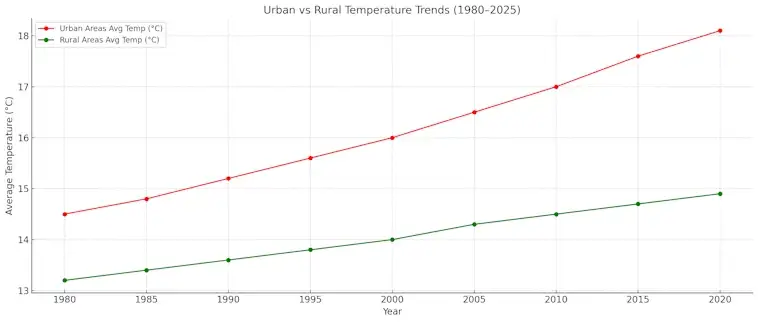
One major reason cities heat up faster than rural areas is the urban heat island effect. Asphalt, concrete, and metal absorb and retain heat during the day and release it slowly at night. This causes cities to remain significantly warmer than surrounding countryside—sometimes by several degrees.
That extra heat can drive up energy demand for air conditioning, which puts pressure on power grids and leads to more greenhouse gas emissions. It also increases health risks, particularly for low-income communities that may lack access to cooling, shade, or proper housing.
Infrastructure Is Under Increasing Stress
Rising temperatures don’t just impact people—they also put pressure on the systems cities depend on. Roads can crack or buckle in extreme heat. Rail lines may warp. Water systems struggle to keep up with demand. And older buildings, especially in low-income areas, often aren’t built to handle prolonged heat.
Cities must now adapt quickly. That means investing in green infrastructure like parks and tree canopies, upgrading public transportation, and building more energy-efficient, climate-resilient housing.
The future of urban life depends on how we respond today. As cities grow and temperatures rise, smart planning and climate-focused policies aren’t just nice to have—they’re essential for survival and equity in a warming world.
What We Can Do to Slow Rising Temperatures Now
Slowing the rise in global temperatures isn’t a distant dream—it’s something we can start working on today. While the challenge is big, the solutions are within reach. From policy changes to daily habits, every action counts. And the sooner we act, the more we can protect our communities, our economy, and our environment.
Shift Toward Clean, Renewable Energy
One of the most powerful ways to reduce heat-trapping emissions is to move away from fossil fuels. Switching to renewable energy sources like solar, wind, and hydro dramatically cuts carbon emissions. This transition also supports energy independence and creates green jobs. Governments and businesses can lead by investing in clean energy infrastructure, but individuals can make an impact too—by choosing green energy providers or installing rooftop solar panels where possible.
Rethink Transportation and Consumption
Cars, trucks, and airplanes are major contributors to greenhouse gas emissions. We can reduce their impact by driving less, using public transportation, biking, or switching to electric vehicles. At the same time, making mindful choices about what we buy—and how often—can also help. Reducing waste, eating more plant-based meals, and supporting local and sustainable products can all shrink your carbon footprint.
We can also advocate for climate-smart policies. Pushing for stronger building standards, protecting forests, and holding corporations accountable are critical steps in slowing the rise of global temperatures.
The bottom line? You don’t have to do everything, but everyone has to do something. With the right mix of action, innovation, and global cooperation, we can still shape a cooler, safer future for the generations to come.
The Time to Act Is Now
Rising temperatures are more than just a climate issue—they’re a direct threat to the way we live. From food security and public health to infrastructure and economic stability, the impacts of global warming are touching every corner of our lives. If left unchecked, these changes will continue to accelerate, placing even greater strain on communities, ecosystems, and future generations.
But this crisis isn’t without hope. We have the science, the technology, and the solutions to make a difference—if we act quickly and collectively. Governments must lead with bold climate policies, businesses must innovate for a low-carbon future, and individuals can make everyday choices that add up.
Slowing the rise in global temperatures won’t happen overnight, but every step counts. By cutting emissions, protecting natural resources, and rethinking how we live and work, we can build a more resilient, livable world.
The threats are real—but so are the opportunities. Now is the time to choose progress over paralysis. Because protecting our way of life means protecting the planet we all share.