

Why Organic Farming Could Be the Future of Our Food
Why Organic Farming Could Be the Future of Our Food
Organic farming is gaining attention as people look for healthier food and a cleaner planet. More families want produce grown without synthetic chemicals, and farmers are responding. This shift isn’t just about personal health. It also protects soil, conserves water, and reduces pollution. As the global population grows, the need for sustainable food systems becomes more urgent. Organic farming offers a path forward, combining traditional methods with innovative practices to create a food supply that benefits both people and the environment.

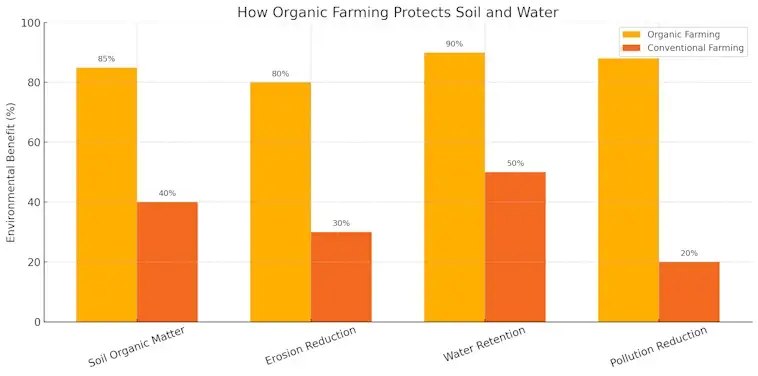
How Organic Farming Protects Soil and Water
Organic farming is more than a trend. It’s a way to protect two of our most important natural resources: soil and water. By using natural methods instead of synthetic chemicals, organic farmers help keep ecosystems healthy and resilient.
Building Healthy Soil Naturally
Healthy soil is the foundation of any farm, but conventional practices can strip it of life. Organic farming, on the other hand, focuses on building soil rather than depleting it. Farmers use compost, cover crops, and crop rotation to feed the soil. These techniques boost organic matter, improve structure, and help soil hold water longer. When soil is healthy, it resists erosion and supports thriving crops. This means fewer nutrients are lost, and the land can stay productive for generations.
Reducing Water Pollution
One of the biggest threats to rivers and lakes is agricultural runoff. Pesticides and synthetic fertilizers often wash into waterways, fueling algae blooms and harming wildlife. Organic farming avoids these chemicals entirely. By relying on natural fertilizers and pest controls, organic fields release fewer pollutants into nearby streams and groundwater. Healthy soil also acts like a sponge, soaking up rain and reducing the amount of runoff that carries sediment or nutrients away.
The benefits extend beyond the farm. Cleaner water supports fish, wildlife, and communities downstream. For consumers, supporting organic farms is a simple way to help protect water quality while also supporting farmers who care for the land.
Organic farming proves that agriculture doesn’t have to come at the cost of the environment. By prioritizing soil health and clean water, these farms create a sustainable path forward—one that protects our food supply and the planet.
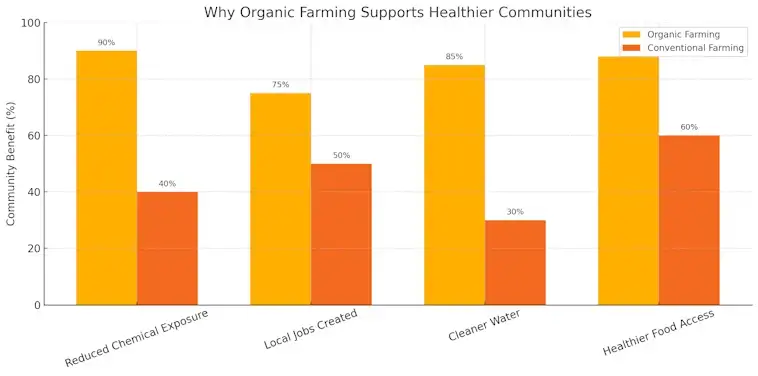
Why Organic Farming Supports Healthier Communities
Organic farming does more than grow food. It helps build stronger, healthier communities. By focusing on natural practices, organic farms support local economies, protect public health, and create a safer environment for everyone.
Safer Food, Safer People
One of the biggest benefits of organic farming is the reduction of chemical exposure. Conventional farming often relies on synthetic pesticides and fertilizers, which can leave residues on food and seep into water supplies. Organic farmers avoid these chemicals, using natural alternatives instead. This means cleaner food for families and fewer toxins in the air, soil, and water. Healthier food leads to healthier people, especially for children and vulnerable populations.
Supporting Local Farmers and Jobs
Organic farms often operate on a smaller scale and are more connected to their local communities. They create jobs, support farmers’ markets, and keep money circulating close to home. Because organic farming avoids heavy chemical inputs, it tends to be more labor-intensive, which can lead to more employment opportunities. Local residents benefit from fresh, nutrient-rich produce and the economic boost that comes from thriving farms.
The environmental benefits also ripple through communities. Cleaner air and water mean fewer health problems linked to pollution. Meanwhile, protecting soil health helps preserve farmland for future generations. When people choose organic products, they aren’t just buying food—they’re investing in healthier neighborhoods and a more sustainable future.
Organic farming shows that agriculture can nourish both people and the planet. By choosing organic, communities can enjoy fresh, chemical-free food while supporting local farmers and protecting shared resources.
The Role of Organic Farming in Fighting Climate Change
Organic farming is not just about healthy food. It also plays a critical role in reducing the impacts of climate change. By avoiding synthetic chemicals and focusing on soil health, organic practices help cut emissions and build resilience to extreme weather.
Capturing Carbon in the Soil
Healthy soil can do more than grow crops—it can trap carbon. Organic farmers use cover crops, compost, and crop rotations to boost soil organic matter. This creates a sponge-like soil structure that stores carbon from the atmosphere. In turn, this process helps reduce greenhouse gases and slow global warming. Healthy soil also holds more water, which helps farms survive droughts and floods brought on by climate change.

Lowering Farm Emissions
Conventional farming often relies on synthetic fertilizers, which produce nitrous oxide—a powerful greenhouse gas. Organic farming avoids these fertilizers and instead uses natural methods like manure and compost. These approaches lead to lower emissions while still providing the nutrients plants need to grow. Organic farms also tend to use fewer fossil fuels because they often rely on more diverse, low-impact systems rather than energy-heavy monocultures.
The impact doesn’t stop at the farm. Healthier soil and reduced chemical use lead to cleaner waterways and stronger ecosystems, which are more capable of adapting to a changing climate. By supporting organic farms, consumers can help drive a system that not only feeds people but also fights climate change.
Organic farming shows that agriculture can be part of the solution, not just the problem. By prioritizing soil, biodiversity, and natural inputs, these farms create a model for sustainable food production in a warming world.
Can Organic Farming Feed a Growing World Population?
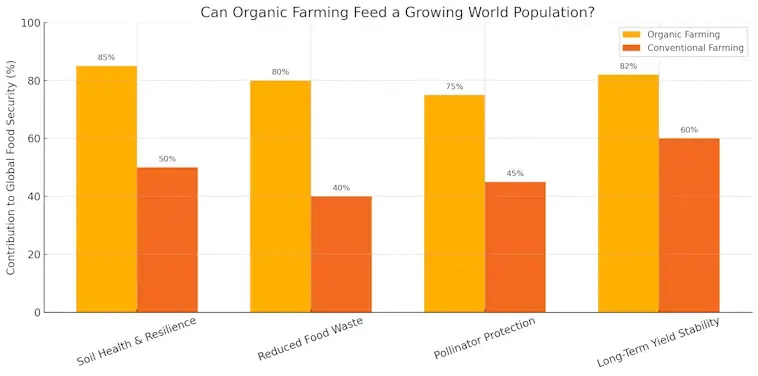
As the global population approaches 10 billion by 2050, many wonder if organic farming can meet the world’s growing food needs. While critics argue it produces less per acre than conventional farming, supporters point out that organic methods can boost long-term yields and resilience—two things our food system needs to survive.
Growing More with Less Damage
Organic farming focuses on healthy soil, crop diversity, and natural pest control. These practices can improve yields over time because they protect the land from degradation. Healthy soil holds more water and nutrients, helping crops survive droughts and extreme weather. This resilience is crucial as climate change threatens global food production. Organic systems may also reduce the need for expensive chemical inputs, making farming more accessible to small-scale growers in developing regions.
Reducing Food Waste and Improving Access
Feeding the world isn’t just about producing more—it’s about wasting less. Organic farming often supports local food networks, reducing the distance food travels and cutting waste. When communities have better access to fresh, local food, they rely less on global supply chains, which can be fragile in times of crisis. At the same time, organic farms tend to protect biodiversity and pollinators, which are essential for producing many of the world’s crops.
While organic farming may not replace conventional agriculture entirely, it can play a key role in a sustainable food future. By improving soil health, reducing chemical dependence, and building resilient food systems, organic methods help ensure we can feed a growing world without exhausting the planet.
How Organic Farming Builds a More Sustainable Future
Organic farming isn’t just about producing food without chemicals. It’s about creating a system that can sustain people and the planet for generations. By protecting natural resources and promoting biodiversity, organic practices help build a future where farming works with nature, not against it.
Protecting Natural Resources for Tomorrow
One of the biggest strengths of organic farming is its focus on soil and water health. Farmers use compost, cover crops, and crop rotation to keep soil fertile and alive. These methods reduce erosion, boost organic matter, and help the soil hold more water. Clean, healthy soil leads to stronger crops and reduces the need for synthetic fertilizers that can pollute rivers and lakes. Over time, this approach preserves farmland so it can feed people well into the future.
Encouraging Biodiversity and Resilient Ecosystems
Organic farms are often more diverse than conventional operations. They grow multiple crops, use hedgerows, and protect pollinators. This variety supports ecosystems and makes farms more resilient to pests, diseases, and changing weather. When wildlife and insects thrive, farms can rely less on chemicals and more on natural balance. These healthy ecosystems also benefit surrounding communities by supporting cleaner air, water, and stronger local food systems.
Choosing organic products helps consumers support these practices. Every purchase encourages a shift toward farming that values long-term health over short-term gain. As the demand for sustainable food grows, more farmers can transition to organic systems, further reducing agriculture’s impact on the planet.
Organic farming shows that we can produce food while caring for the earth. By focusing on soil, water, and biodiversity, it lays the foundation for a farming system that can endure in a rapidly changing world.
Why Organic Farming Could Be the Future of Our Food
Organic farming offers more than just pesticide-free produce. It represents a shift toward a food system that prioritizes people, the planet, and long-term sustainability. By protecting soil and water, reducing pollution, and supporting biodiversity, organic practices help ensure that farmland remains productive for generations. They also create healthier communities by delivering cleaner food and safeguarding natural resources.
As the global population grows and climate challenges intensify, the demand for resilient and sustainable farming methods will only rise. Organic farming provides practical solutions, from capturing carbon in the soil to reducing harmful emissions and strengthening local food systems. It shows that agriculture doesn’t have to harm the environment to feed the world—it can restore it while meeting the needs of millions.
Choosing organic products is one way individuals can support this shift. Each purchase helps farmers continue these practices and encourages more of the industry to move toward sustainable solutions. Together, these choices build momentum toward a food system that values long-term health over short-term gains.
Organic farming proves that we can grow enough food while protecting the earth. By embracing these practices, we can create a healthier, more sustainable future for farmers, consumers, and the planet.