
Invasive Species Are a Hidden Threat to Our Ecosystems
Invasive Species Are a Hidden Threat to Our Ecosystems
Invasive species are quietly reshaping landscapes around the world. These plants, animals, and insects spread quickly, often outcompeting native species and upsetting the natural balance. Their impact reaches far beyond the environment, affecting food supplies, water quality, and even local economies. Many thrive because they face no natural predators in their new habitats, allowing their populations to grow unchecked. Understanding how invasive species spread and why they’re so destructive is key to protecting biodiversity and preserving healthy ecosystems for future generations.

How Invasive Species Disrupt Natural Ecosystems
Invasive species are one of the biggest threats to the balance of natural ecosystems. These plants, animals, or microorganisms are introduced—often by human activity—to environments where they don’t naturally belong. Once established, they can spread rapidly. This unchecked growth disrupts local food chains, harms native species, and can even change the landscape itself.
Unlike native species, invasive species often have no natural predators in their new environment. This allows them to multiply quickly, outcompeting local plants and animals for resources like food, water, and shelter. Over time, these imbalances can lead to the decline or extinction of native species, which has a ripple effect across the entire ecosystem.
Why Biodiversity Suffers
Biodiversity, or the variety of life in an area, is crucial for healthy ecosystems. Invasive species often crowd out or prey on native species, reducing this diversity. For example, invasive plants can overtake fields and forests, pushing out native vegetation that local insects and animals depend on for survival.

As biodiversity drops, ecosystems become weaker. A less diverse environment is less resilient to threats like disease, extreme weather, and climate change. The result is a fragile system that struggles to recover from disturbances.
The Cost to People and the Planet
Invasive species don’t just harm nature; they also create costly problems for people. They can damage crops, forests, and fisheries, affecting food supplies and local economies. Some invasive species even increase the risk of wildfires or floods by changing how land and water systems function.
Controlling or removing invasive species is challenging and expensive. Prevention—through strict biosecurity measures, public awareness, and monitoring—is the most effective solution. By protecting ecosystems from invasive threats, we safeguard the resources and natural beauty that communities rely on.
The Most Common Invasive Species You Should Know About
Invasive species can be found almost everywhere, from forests and rivers to city parks and backyards. These plants and animals spread quickly and can cause serious harm to the environment, native wildlife, and even the economy. Learning about the most common invasive species helps people spot them early and take action to protect local ecosystems.
Plants That Take Over
Certain invasive plants can completely transform landscapes. Species like kudzu in the southeastern United States grow so fast they smother trees and block sunlight. Japanese knotweed, another invasive plant, can damage building foundations and overtake riverbanks, leaving no room for native vegetation. These plants spread through seeds, roots, and even small fragments, making them hard to remove once established.
When invasive plants push out native species, animals that rely on native plants for food and shelter also suffer. This disruption can weaken entire food webs and make ecosystems less resilient to stress, such as drought or storms.

Animals That Cause Trouble
Invasive animals are just as destructive. The European starling, for example, was introduced to North America in the 1800s and now competes with native birds for food and nesting spots. Asian carp, a group of invasive fish, threaten freshwater lakes and rivers by consuming massive amounts of plankton, starving out native fish species.
Some invasive animals also spread diseases or prey directly on native wildlife, further destabilizing ecosystems. Their presence often forces local species to change their behavior, relocate, or disappear altogether.
By learning how to identify these invasive species, communities can work together to slow their spread. Early detection, reporting, and careful management can help protect the plants, animals, and natural spaces we all rely on.
Why Invasive Species Spread So Quickly
Invasive species often seem unstoppable, and there’s a reason for that. These plants and animals thrive in new environments because they face fewer natural threats. They often grow faster, reproduce more quickly, and adapt better than native species. This gives them a huge advantage and allows them to spread rapidly.
No Natural Predators or Competition
In their native habitats, invasive species usually have predators, diseases, or competitors that keep their populations in check. But when they arrive in a new environment, those natural controls often don’t exist. With nothing to limit their growth, invasive species can multiply at an alarming rate.
For example, zebra mussels spread quickly through North American lakes because few local species feed on them. Without a predator to balance their numbers, these mussels cover surfaces, clog water pipes, and outcompete native aquatic life.

Human Activity Helps Them Travel
Humans unintentionally play a big role in the spread of invasive species. Ships can carry marine organisms in ballast water, hikers can move seeds on their boots, and imported plants and animals sometimes escape into the wild. Global trade and travel make it easy for species to cross oceans and continents.
Once established, invasive species take advantage of disturbed environments, such as areas cleared for farming or construction. These open spaces provide easy opportunities for them to spread, often at the expense of native plants and animals.
Stopping their spread requires awareness, prevention, and quick action. By understanding how these species gain a foothold, communities can better protect their local ecosystems and slow the damage caused by these unwelcome invaders.
The Cost of Invasive Species to Wildlife and Communities
Invasive species don’t just harm nature—they also come with a high price for people and wildlife. These non-native plants and animals can disrupt ecosystems, drive native species toward extinction, and create economic problems for communities. Understanding the full cost of invasive species is the first step in controlling their impact.
How Wildlife Pays the Price
When invasive species take over, they often push native plants and animals out of their natural habitats. Some invasive predators, like feral cats or Burmese pythons, prey directly on native wildlife. Others, like invasive plants, outcompete native vegetation, leaving animals without food or shelter. Over time, this leads to declining populations and, in some cases, local extinctions.
These changes also weaken entire ecosystems. When species disappear, food webs break apart, and the land or water they leave behind becomes less resilient to challenges like disease and climate change.
The Financial Burden on Communities
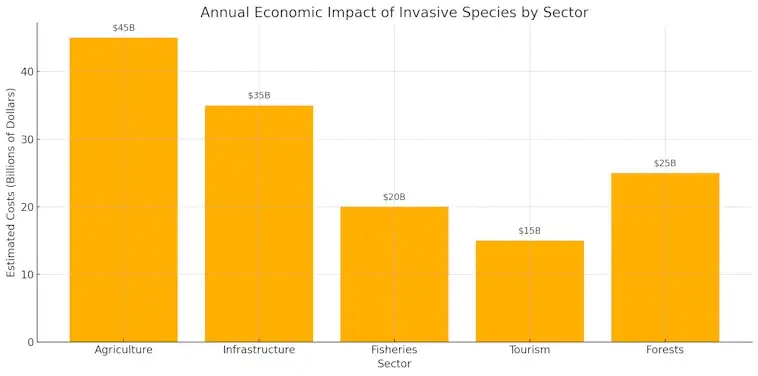
Communities also face serious financial consequences. Invasive species can damage farmland, fisheries, forests, and even infrastructure. For example, zebra mussels clog water intake pipes, costing cities and businesses millions of dollars in maintenance each year. Farmers may spend heavily on controlling invasive weeds that reduce crop yields.
Tourism can suffer, too. Infested lakes, damaged forests, or declining wildlife populations make once-popular destinations less appealing to visitors. As a result, local economies lose income that depends on outdoor recreation and natural beauty.
The cost of prevention is far lower than the price of repairing the damage. By investing in education, monitoring, and early removal, communities can protect their natural resources and avoid long-term losses caused by invasive species.
How We Can Control and Prevent Invasive Species
Stopping invasive species starts with awareness and action. Once these plants and animals spread, removing them becomes costly and difficult. The best approach combines prevention, early detection, and responsible management to protect ecosystems and communities.
Prevention is the First Line of Defense
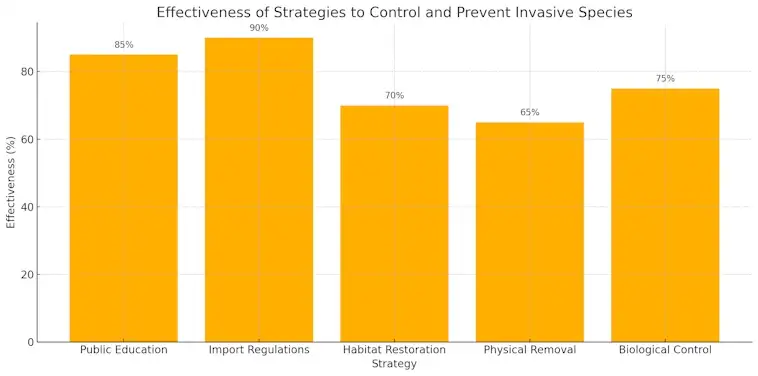
The easiest way to fight invasive species is to stop them from arriving in the first place. Simple actions, like cleaning hiking gear, boats, and vehicles, can prevent seeds or pests from traveling to new areas. Governments and organizations also use strict import rules and inspections to keep harmful species from entering through trade and shipping.
Public education is another key tool. When people can identify invasive plants and animals, they’re more likely to report them and avoid accidentally spreading them.
Removing and Managing Established Species
When invasive species are already established, quick action can reduce the damage. Methods include physical removal, like pulling invasive plants or trapping invasive animals. In some cases, biological controls—such as introducing natural predators or diseases—help bring populations down without harming native species.
Communities also work to restore damaged habitats by replanting native vegetation and supporting the return of local wildlife. While no single method solves the problem, combining strategies can protect ecosystems and reduce long-term costs.
By staying informed and involved, everyone can play a role in protecting natural areas from invasive threats. Small actions, taken together, make a big difference in keeping local environments healthy and resilient.
Protecting Nature from a Growing Threat
Invasive species are a silent but powerful force changing our ecosystems. They disrupt food chains, weaken biodiversity, and place heavy costs on communities and wildlife. Their spread is fueled by human activity, global trade, and the lack of natural predators in new environments.
The good news is that the damage is not unstoppable. Through prevention, early detection, and community action, we can slow their spread and protect the lands and waters we depend on. Simple steps—like cleaning gear, reporting sightings, and supporting conservation programs—make a real difference.
By working together, we can protect native species, safeguard local economies, and keep our natural spaces thriving for future generations. Acting now ensures that the balance of our ecosystems remains strong and resilient.