

High Temperatures Are Breaking Records, Here’s Why
High Temperatures Are Breaking Records, Here’s Why
High temperatures are shattering records around the world, and it’s no longer just a summer inconvenience. From heatwaves gripping major cities to rising nighttime temperatures offering little relief, the effects are becoming impossible to ignore.
Scientists say these extremes aren’t random. They’re part of a much larger shift driven by changes in our atmosphere, land use, and global climate patterns. And while the heat is rising, so are the risks—to our health, our infrastructure, and our food systems.
Understanding why temperatures are soaring is the first step to staying informed, safe, and ready for what’s ahead.

How High Temperatures Are Shifting Climate Patterns
The Earth is heating up—and fast. High temperatures are no longer a seasonal inconvenience. They’re becoming a driving force behind major shifts in climate patterns around the world. From unpredictable rainfall to more intense storms, we’re now seeing firsthand how rising heat is disrupting the balance of nature.
Disrupted Seasons and Unstable Weather
Traditionally, climates followed a predictable rhythm. Winters were cold, summers were hot, and spring and fall acted as gentle transitions. But with high temperatures pushing boundaries, that rhythm is breaking down. Summers are stretching longer, and heatwaves are hitting earlier in the year. In some regions, spring is arriving weeks ahead of schedule. In others, rainy seasons are vanishing altogether.
This isn’t just about comfort—it’s about crops, water supplies, and ecosystems struggling to adjust. Plants bloom too early. Snow melts before it can replenish rivers. And weather events are swinging from one extreme to another, with little warning.
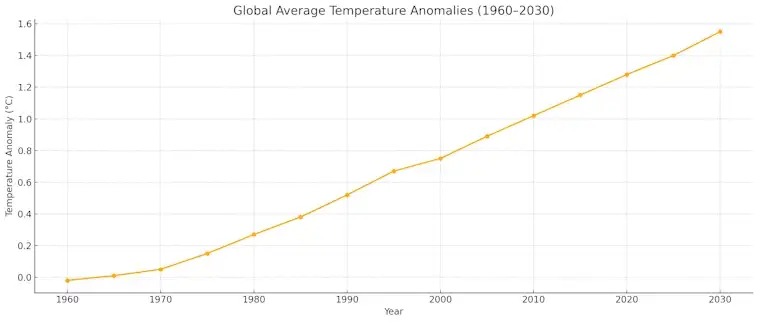
Rising Heat, Rising Risks
High temperatures are also reshaping global air and ocean currents. These systems normally regulate climate, distributing heat and moisture around the globe. But when temperatures rise beyond normal thresholds, those systems start to falter. That means drier places may become even more arid, while storm-prone areas face even more intense hurricanes and floods.
The Arctic is warming at more than twice the global rate, weakening the jet stream—a key driver of weather in the Northern Hemisphere. This causes weather patterns to linger, whether it’s a stubborn drought or a relentless storm.
These shifts aren’t just future problems—they’re happening now. And as high temperatures continue to rise, understanding these climate changes will be key to adapting and preparing for what’s ahead.
The Science Behind Today’s Extreme High Temperatures
Extreme heat is no longer a fluke. It’s a pattern backed by science. As high temperatures continue to break records around the globe, scientists are working hard to understand what’s really driving the heat. And the answer is a combination of natural cycles and human activity—especially the way we’ve changed the atmosphere.
The Role of Greenhouse Gases
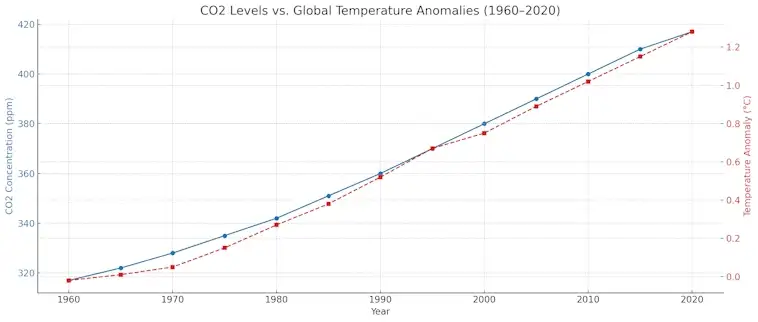
Carbon dioxide, methane, and other greenhouse gases trap heat in the Earth’s atmosphere. This is known as the greenhouse effect, and while it’s essential for life, too much of it sends temperatures soaring. Since the Industrial Revolution, we’ve been pumping massive amounts of these gases into the air—mostly from burning fossil fuels like coal, oil, and gas.
The result? The Earth’s average surface temperature has increased significantly, with high temperatures becoming more frequent, more intense, and longer-lasting. These changes are also amplifying other weather events like droughts, wildfires, and even heavy downpours.
Ocean Warming and Atmospheric Feedback Loops
Another major factor is the warming of our oceans. The ocean absorbs most of the excess heat from greenhouse gases. But warmer oceans mean more water vapor in the air, which traps even more heat—creating a feedback loop that accelerates climate change.
At the same time, melting ice caps reduce the Earth’s ability to reflect sunlight, which also contributes to rising high temperatures. This is particularly noticeable in the Arctic, where warming is happening faster than anywhere else on the planet.
In short, today’s extreme high temperatures are not just weather—they’re a direct signal of a shifting climate system. By understanding the science behind them, we can make smarter choices to reduce emissions, adapt faster, and prepare for a hotter future.
High Temperatures and Their Impact on Public Health
When we talk about high temperatures, we often think about discomfort, sunburns, or maybe a heatwave warning. But the real impact runs much deeper—and it’s increasingly becoming a serious public health concern. As extreme heat becomes more common, the risks to human health are growing too.
Heat Stress and Vulnerable Populations
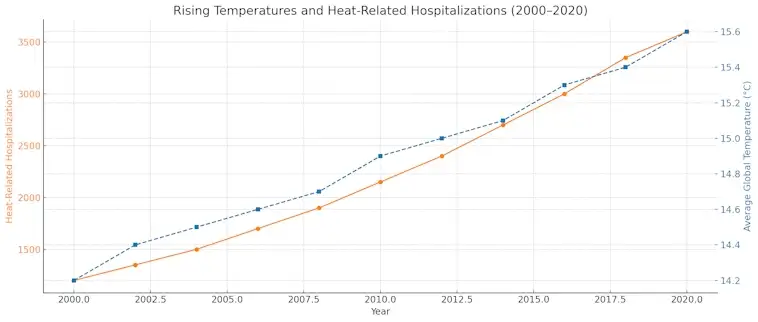
High temperatures can quickly lead to heat-related illnesses like heat exhaustion and heat stroke. These conditions can be dangerous—even deadly—especially for the elderly, young children, and people with chronic health conditions. Cities are particularly vulnerable, thanks to the urban heat island effect, where concrete and asphalt trap heat and make daytime and nighttime temperatures soar.
Emergency rooms often see a spike in patients during extreme heat events. And for those without access to air conditioning or safe shelter, even a few hot days can turn into a health crisis.
Air Quality and Chronic Disease
What many people don’t realize is that high temperatures can also worsen air quality. Heat can increase ground-level ozone, a key component of smog. This makes breathing more difficult, especially for people with asthma or respiratory conditions.
Longer heatwaves are also linked to increased risks of dehydration, kidney problems, and even mental health strain. When sleep is disrupted by hot nights, it can lead to fatigue, anxiety, and reduced focus—factors that affect productivity and overall wellbeing.
The connection between high temperatures and public health is clear. As the planet warms, the need for stronger heat response plans, accessible cooling options, and community support is more urgent than ever. Protecting health in a hotter world means acting early—and planning smart.
Why High Temperatures Are Rising Faster in Cities
If you’ve ever stepped off a shaded trail into a downtown street and felt a sudden blast of heat, you’ve experienced a powerful urban phenomenon. High temperatures are rising everywhere, but they’re climbing even faster in cities. The reason? Our built environments are changing how heat is absorbed, stored, and released.
The Urban Heat Island Effect
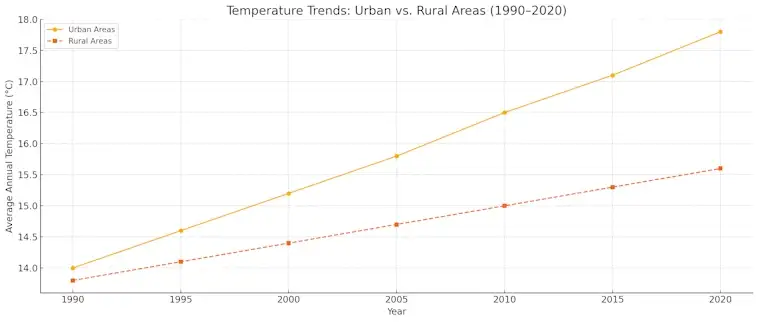
One of the biggest contributors to rising urban heat is the urban heat island effect. Cities are full of heat-trapping surfaces like concrete, asphalt, and glass. These materials absorb heat during the day and release it slowly at night, keeping cities warmer long after the sun goes down.
In fact, urban areas can be several degrees hotter than nearby rural locations—especially during the summer. That difference may not sound like much, but it can have a huge impact on public health, energy demand, and even crime rates.
Less Green, More Heat
Green spaces like parks, trees, and rooftop gardens help cool cities by providing shade and releasing moisture into the air. But many urban areas lack adequate greenery. As development spreads, natural cooling systems are replaced by buildings and roads, which only make high temperatures worse.
At the same time, climate change is fueling longer and more intense heatwaves. When those events hit a city already dealing with elevated temperatures, the result can be dangerous and even deadly—especially for low-income communities that may lack access to air conditioning or safe outdoor spaces.
Understanding why high temperatures are rising faster in cities is key to designing better solutions. Urban planning that includes more trees, reflective building materials, and shaded transit can help keep our cities livable—even in a warming world.
What You Can Do to Prepare for More High Temperatures
High temperatures are becoming more frequent, more intense, and harder to ignore. But while we can’t stop the heat from coming, we can take steps to be better prepared. Whether you’re living in a city, suburb, or rural area, there are simple actions you can take to stay safe and protect your home, your health, and your community.
Make Your Home Heat-Ready
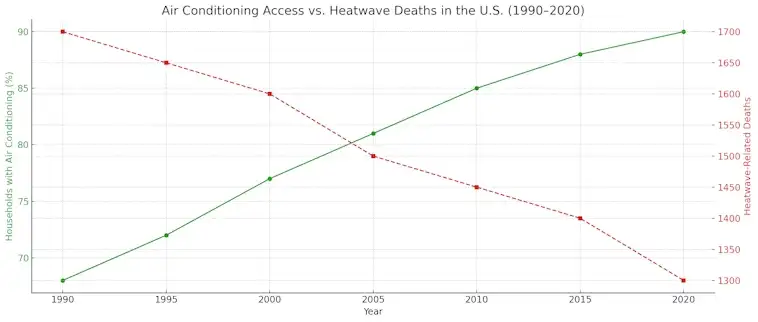
Start by evaluating how your home handles heat. Can you keep it cool during the hottest part of the day? Sealing windows, adding insulation, and using reflective shades can make a surprising difference. If you have air conditioning, make sure it’s maintained and efficient. No A/C? Consider investing in a high-quality fan and creating cross-ventilation by opening windows on opposite sides of your home.
Planting trees or installing shade structures around your house can also reduce indoor temperatures naturally. And don’t forget about your roof—light-colored or reflective roofing materials can help bounce heat away rather than trap it inside.
Protect Your Health and Support Others
During periods of extreme heat, your body works harder to stay cool. Stay hydrated, avoid outdoor activity during peak heat hours, and know the signs of heat exhaustion—like dizziness, headaches, and nausea.
Check in on elderly neighbors, friends without A/C, or anyone vulnerable during a heatwave. Heat can be deadly, especially for those who don’t have the means or ability to stay cool. Public cooling centers and community programs are critical during heat emergencies, and being informed means you can help others, too.
Preparing for high temperatures isn’t about panic—it’s about being smart, proactive, and community-minded. As global temperatures continue to rise, adapting now can help us all stay safer and more resilient in the years ahead.
The Bottom Line on Rising High Temperatures
High temperatures are no longer rare events—they’re becoming the new normal. The record-breaking heat we’re seeing around the world is the result of long-term changes in our climate, fueled by human activity, rising emissions, and changes to our natural environment.
But this isn’t just about numbers. It’s about real-life impacts—on our health, our cities, our food systems, and our future. The science is clear, and so is the urgency. Preparing for more heat means making smarter choices now, from how we build our homes to how we design our communities and support one another during extreme weather.
As the planet continues to warm, staying informed and taking action will be key. High temperatures may be breaking records, but together we can rise to meet the challenge—and build a more resilient, climate-ready world.