

Crop Rotation Secrets Every Gardener Should Know
Crop Rotation Secrets Every Gardener Should Know
Healthy soil leads to healthier plants—and crop rotation is one of the simplest ways to make that happen. By changing what you grow in each spot from season to season, you can reduce pests, prevent diseases, and keep your soil full of nutrients. It’s a time-tested method used by farmers for generations, and it works just as well in backyards and raised beds. Whether you’re growing vegetables for your family or boosting yields at your community garden, understanding crop rotation can make a real difference.

Why Crop Rotation Is a Game Changer for Your Garden
If your garden feels like it’s not performing as well as it used to, there’s a good chance your soil is tired. That’s where crop rotation comes in—and it’s a total game changer.
Crop rotation simply means switching up what you grow in each garden bed every season. Instead of planting tomatoes in the same spot year after year, you rotate them with beans, lettuce, or another crop. Sounds simple, right? But the benefits are huge.
Healthier Soil, Naturally
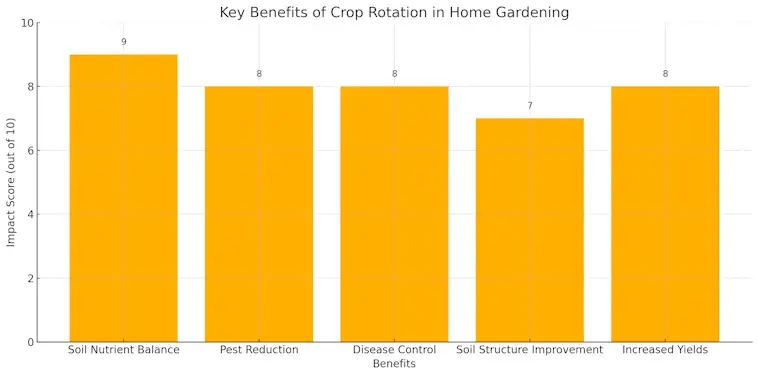
Plants pull different nutrients from the soil. Some are heavy feeders, like tomatoes or corn. Others, like legumes, actually put nutrients back into the ground. When you rotate crops, you help balance nutrient levels in the soil without relying on chemical fertilizers. Over time, this keeps your garden soil healthier and more fertile.
Crop rotation also helps improve soil structure. Different root systems break up the soil in different ways. Leafy greens may have shallow roots, while carrots dig deep. This mix keeps your soil light, airy, and better at holding water.
Fewer Pests and Diseases
One of the biggest perks of crop rotation is how well it helps manage garden pests and diseases. Many bugs and plant diseases like to stick with the same crops. If you keep planting potatoes in the same place, for example, you’re inviting trouble—especially from pests like the Colorado potato beetle.
Rotating crops throws off their life cycle. It becomes harder for them to survive, reproduce, and destroy your plants. That means fewer infestations, less disease, and stronger, more resilient plants overall.
It’s Easier Than You Think
You don’t need a massive backyard or complicated garden plans to rotate crops. Even in a small space, you can group your plants into categories like leafy greens, root vegetables, legumes, and fruiting crops. Then just rotate those groups each season.
Keep a simple garden journal or draw a quick map each year. Before you know it, you’ll have a system that supports long-term garden success without much extra effort.
Want your garden to thrive season after season? Rotate your crops. It’s one of the easiest, most effective ways to boost soil health, beat pests, and grow better food. Your garden—and your harvest—will thank you.
How Crop Rotation Boosts Soil Health Naturally
If your garden soil seems tired or your plants aren’t thriving like they used to, the issue might not be what you’re planting—but how you’re planting it. Crop rotation is one of the oldest and most effective ways to keep soil healthy, and best of all, it works with nature, not against it.
By changing the types of crops you grow in a given spot each season, you help the soil maintain balance. Different crops use—and return—different nutrients. That rotation keeps your garden productive and your soil rich and alive.
Plants Pull Nutrients Differently
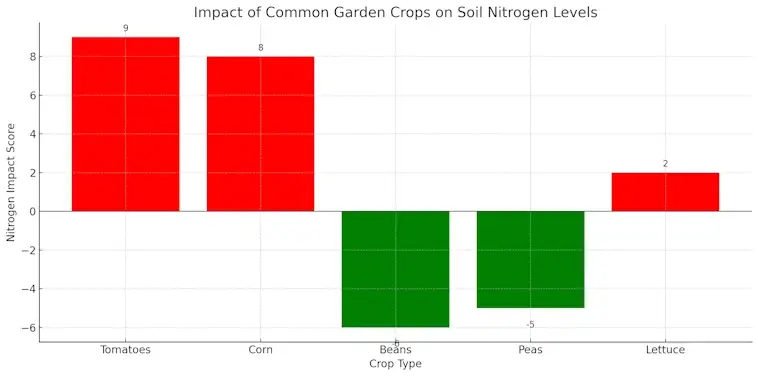
Every plant has its own nutritional needs. Tomatoes and corn, for example, are heavy feeders. They deplete the soil of nitrogen fast. Legumes like beans and peas, on the other hand, are nitrogen-fixers. They naturally add nitrogen back into the soil through a process involving beneficial bacteria in their roots.
When you rotate these types of plants, your soil doesn’t get overworked. Instead, it stays balanced—naturally. That means you’ll need less fertilizer, and your plants will be stronger and healthier from the start.
Crop Rotation Encourages Microbial Diversity
Healthy soil is full of life. Beneath the surface, there’s an entire ecosystem of bacteria, fungi, and tiny organisms working hard to feed your plants. But when the same crop is planted in the same spot year after year, that soil life can get out of sync.
Rotating crops supports a more diverse soil microbiome. Different plants release different compounds into the soil, attracting a wider range of beneficial microbes. These microbes help break down organic matter, improve nutrient absorption, and even protect against certain soil-borne diseases.
Crop rotation is one of the smartest ways to support long-term soil health without chemicals or costly products. It helps your garden stay fertile, reduces the need for additives, and creates a more sustainable growing environment.
If you’re looking for a natural way to feed your soil and get better harvests, crop rotation is a simple habit with powerful results.
Crop Rotation Strategies for Small Spaces
Think crop rotation only works in big gardens or farms? Think again. Even if you’re working with a few raised beds, containers, or a compact urban plot, crop rotation is still one of the smartest ways to keep your soil healthy and your harvests strong.
With a little planning, you can rotate crops effectively—no matter the size of your garden.
Group Your Plants by Family
A simple way to start is by grouping your vegetables into plant families. For example:
- Nightshades tomatoes, peppers, eggplants, potatoes
- Legumes beans, peas
- Brassicas cabbage, kale, broccoli
- Root crops carrots, beets, onions
- Leafy greens lettuce, spinach, arugula
Why does this matter? Plants from the same family tend to attract the same pests and use similar nutrients. So, rotating plant families from one spot to another helps reduce disease and keeps your soil balanced.
Even if you’re only using three or four containers or beds, rotating these groups seasonally makes a big difference.

Use a Simple 3-Year Rotation Plan
You don’t need complex spreadsheets to rotate crops. A basic 3-year plan works well in small spaces and is easy to remember:
- Year 1 Plant heavy feeders like tomatoes or corn.
- Year 2 Follow with legumes to replenish nitrogen.
- Year 3 Plant light feeders like carrots or greens, then repeat.
You can adjust this system to fit your available space or preferred crops, but the idea stays the same—don’t grow the same thing in the same spot season after season.
Crop rotation isn’t just for large-scale growers. In small gardens, it’s one of the most effective, low-effort ways to maintain soil health, fight off pests, and get better results over time.
So whether you’re working with a balcony, patio, or backyard bed, a little planning goes a long way. Your soil will thank you—and so will your harvest.
Top Mistakes to Avoid With Crop Rotation
Crop rotation is one of the best ways to build healthy soil and reduce pests naturally. But like anything in the garden, it works best when done right. Avoiding a few common mistakes can make a big difference in how effective your rotation strategy really is.
Whether you’re just starting out or refining your approach, here’s what to watch for.
Repeating Plant Families Too Soon
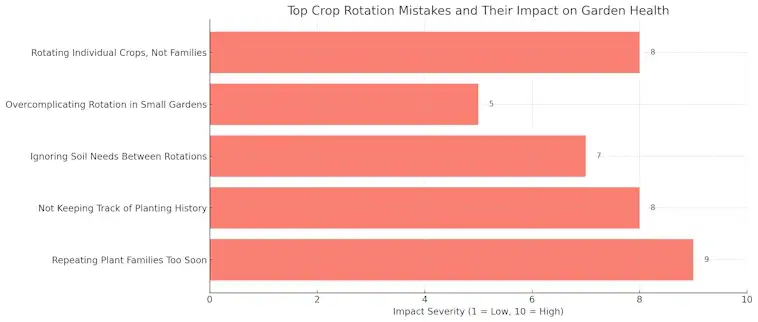
One of the biggest mistakes gardeners make is thinking they’re rotating crops when they’re not. Moving tomatoes from one bed to another might feel like a change—but if you planted potatoes or peppers there the year before, you’re still planting within the same family (nightshades).
Different crops from the same family often attract the same pests and diseases and deplete the same nutrients. That’s why it’s important to rotate families, not just individual crops. Give each plant family at least two to three years before returning to the same spot.
Forgetting to Track What You Planted
Another common misstep? Not keeping records. Without a simple garden journal or seasonal map, it’s easy to forget where you planted what last year—especially in a busy growing season.
Tracking your crop placements each year doesn’t have to be complicated. A basic notebook, a photo of your beds, or a spreadsheet can do the trick. This one habit helps you stay consistent with rotation and avoid overlapping plant families by accident.
Successful crop rotation comes down to planning and consistency. Avoid these common mistakes, and you’ll be well on your way to a healthier, more productive garden. Your soil stays richer, your plants grow stronger, and you’ll see better results season after season.
Easy Crop Rotation Plans for Beginners
If you’re new to gardening, crop rotation might sound complicated—but it doesn’t have to be. In fact, with just a few basic steps, you can create a simple rotation plan that helps improve soil health, prevent pests, and boost your harvest. The key is to start small and stay consistent.
Divide Your Garden Into Simple Sections
Start by dividing your growing space into 3 or 4 sections. This could be separate raised beds, rows, or even labeled containers. The goal is to rotate different plant types through each section over a few seasons.
Here’s a basic 3-group method that works for almost any beginner:
- Group 1: Heavy Feeders These are crops that use a lot of nutrients—think tomatoes, corn, cabbage, and squash.
- Group 2: Soil Builders These include legumes like beans and peas that add nitrogen back into the soil.
- Group 3: Light Feeders & Roots This group includes carrots, beets, onions, and leafy greens that don’t demand as much from the soil.
Each season, move the groups one space over. After three years, they’ll be back in their original spots—but with soil that’s healthier and more balanced.

Keep It Simple with a Rotation Calendar
Don’t try to memorize everything. One of the easiest ways to stay on track is to use a crop rotation calendar or basic chart. You can draw one by hand or print a digital template to keep with your gardening notes.
This makes it easy to plan ahead and avoid planting the same family in the same spot too soon—a common mistake that can lead to tired soil and pest problems.
With just a little organization, crop rotation becomes second nature. It’s a low-effort way to get better results in your garden season after season. And the best part? You don’t need to be an expert to start.
Final Thoughts: Grow Smarter With Crop Rotation
Crop rotation isn’t just a farming trick—it’s a powerful tool every gardener can use to grow healthier plants, protect the soil, and reduce pest problems naturally. By simply changing what you plant and where each season, you’re setting your garden up for long-term success.
Whether you’re working with raised beds, containers, or a backyard plot, rotation helps your soil stay balanced and full of life. It takes a little planning, but the results are worth it: stronger plants, fewer chemicals, and better harvests year after year.
The best part? You don’t need to be an expert to get started. Stick to a few basic rules, keep track of what you plant, and let nature do the rest.
Great gardens start with great soil—and crop rotation is one of the easiest ways to keep it that way.