

Why Sustainable Forestry Matters Now More Than Ever
Why Sustainable Forestry Matters Now More Than Ever
Forests cover nearly one-third of the Earth’s land surface, yet they’re disappearing at an alarming rate. As the climate warms and ecosystems face growing pressure, sustainable forestry has become a powerful tool for protecting the planet’s future. It’s not just about planting trees — it’s about managing forests in ways that support both the environment and the communities that rely on them.
With rising global demand for wood, paper, and land, the way forests are managed now will shape the health of our world for generations to come. Sustainable forestry offers a path forward that balances conservation with practical needs — and it matters more today than ever before.

What Is Sustainable Forestry and Why Is It Crucial Today?
Sustainable forestry is the practice of managing forests in a way that meets today’s needs without compromising the ability of future generations to meet theirs. In simple terms, it means using forests responsibly—balancing the demand for wood and other resources with the need to protect the ecosystem, wildlife, and climate.
Today, this approach is more important than ever. As climate change accelerates and global deforestation rises, sustainable forestry offers a solution that supports both people and the planet. It’s not just about planting trees after logging. It’s about maintaining biodiversity, preserving water quality, reducing carbon emissions, and supporting communities that rely on forests for their livelihoods.
The Environmental Benefits Are Bigger Than You Think
Healthy forests act like giant air filters. They absorb carbon dioxide, regulate temperatures, and support rainfall patterns. When forests are managed sustainably, they continue to deliver these benefits for the long term.
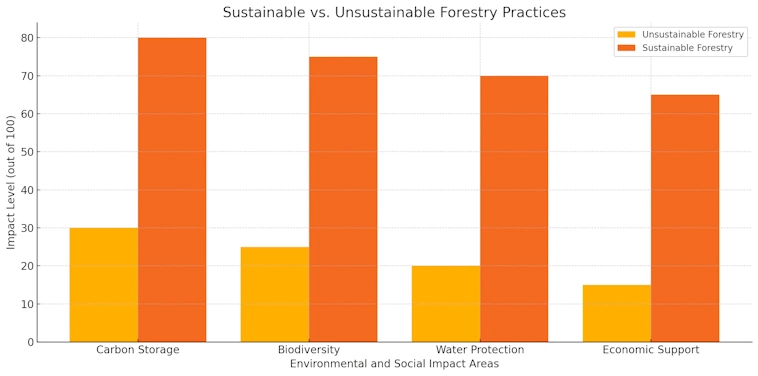
Unlike clear-cutting or illegal logging, sustainable forestry practices protect the soil, avoid habitat destruction, and ensure that wildlife can thrive. This creates a ripple effect—keeping rivers clean, air breathable, and natural disasters like floods and landslides less likely.
It’s Also About People—Not Just Trees
Forests aren’t just home to birds and bears. Over 1.6 billion people depend on them for food, shelter, medicine, and income. Sustainable forestry supports local economies, especially in rural areas, while respecting Indigenous rights and traditions.
By using certified sustainable wood, consumers and companies can help drive demand for ethical practices. That means your next furniture purchase or construction project can be part of the solution—not the problem.
How Sustainable Forestry Helps Fight Climate Change
Forests are one of nature’s most powerful tools in the fight against climate change. But not all forestry is created equal. Sustainable forestry takes a long-term view—managing forests so they can keep absorbing carbon, supporting ecosystems, and benefiting communities for generations to come.
At the heart of sustainable forestry is balance. Trees are harvested in a controlled, responsible way. For every tree cut down, others are planted or allowed to regrow naturally. This continuous cycle helps forests stay healthy and productive, which is key to fighting rising global temperatures.
Trees Are Natural Carbon Capturers
When trees grow, they absorb carbon dioxide (CO₂) from the air and store it in their trunks, roots, and leaves. A mature forest can store massive amounts of carbon—making it one of the most effective carbon sinks on the planet.
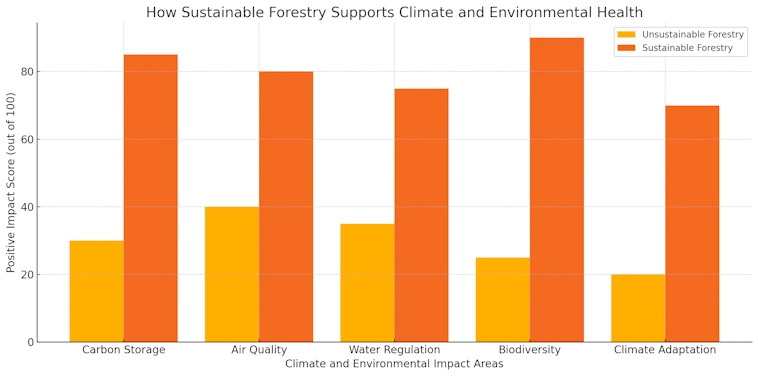
Sustainable forestry ensures that this process continues over time. Instead of clear-cutting large areas and leaving the land bare, sustainable practices maintain forest cover, promote tree diversity, and reduce emissions from soil disturbance. This means more carbon stays locked away and less is released into the atmosphere.
It’s Not Just About the Forest—It’s About the Future
The ripple effects of sustainable forestry go beyond carbon capture. Healthy forests help cool the planet, protect water sources, and preserve biodiversity—all of which are vital in adapting to climate change.
Plus, sustainably managed forests can provide renewable materials for construction, packaging, and fuel—offering low-carbon alternatives to plastic and concrete. This shifts industries toward greener choices while keeping forests intact.
In short, sustainable forestry turns forests into allies, not casualties, in the climate crisis. It’s a smart, scalable solution that works with nature, not against it.
The Role of Sustainable Forestry in Protecting Biodiversity
Forests are some of the most biodiverse ecosystems on Earth. They’re home to countless species of plants, animals, fungi, and microorganisms—many of which can’t survive anywhere else. But when forests are mismanaged or destroyed, that rich web of life starts to unravel.
Sustainable forestry offers a better way. It focuses on protecting and restoring forest ecosystems while still allowing for responsible use of natural resources. Rather than viewing forests as endless timber supplies, sustainable forestry sees them as living systems that need balance and care.
Forests Aren’t Just Trees—They’re Whole Communities
Every tree, insect, bird, and animal in a forest plays a role in its overall health. When even one species disappears, it can have a ripple effect across the ecosystem. That’s why sustainable forestry emphasizes protecting habitats, not just harvesting wood.
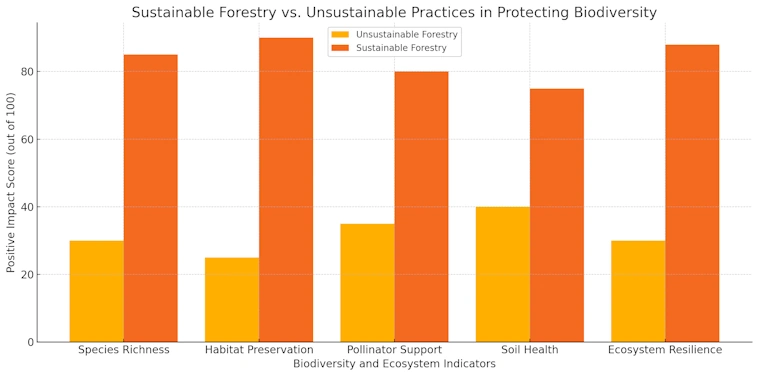
By maintaining a mix of tree species and leaving untouched areas within managed forests, sustainable practices allow wildlife to thrive. This helps endangered species survive, supports pollinators, and preserves the genetic diversity that forests need to adapt to climate change.
How Sustainable Forestry Helps Ecosystems Recover
In areas where deforestation or degradation has already taken a toll, sustainable forestry can support natural regeneration. That might include replanting native species, restoring wetlands, or removing invasive plants. These actions rebuild critical habitats and reconnect fragmented landscapes, giving nature a chance to bounce back.
It’s not just about saving animals. Healthier ecosystems mean better air and water quality, more resilient soil, and forests that can keep storing carbon for years to come. It all works together—when we protect biodiversity, we’re also protecting the planet.
Economic Benefits of Sustainable Forestry for Local Communities
Sustainable forestry isn’t just good for the planet—it’s a smart investment in local economies. Across the world, forests support jobs, provide materials, and power industries. But when forests are exploited unsustainably, these benefits are short-lived. That’s where sustainable forestry comes in.
By focusing on long-term forest health, sustainable practices create steady economic opportunities for rural and Indigenous communities. These jobs are more stable, more ethical, and often more resilient to environmental changes. In short, sustainable forestry helps people thrive—without destroying the very resources they depend on.
Job Creation That Lasts
Unlike extractive logging, which clears land quickly and moves on, sustainable forestry promotes ongoing work. Jobs are created in forest management, tree planting, eco-tourism, wildlife monitoring, and the production of certified wood products.
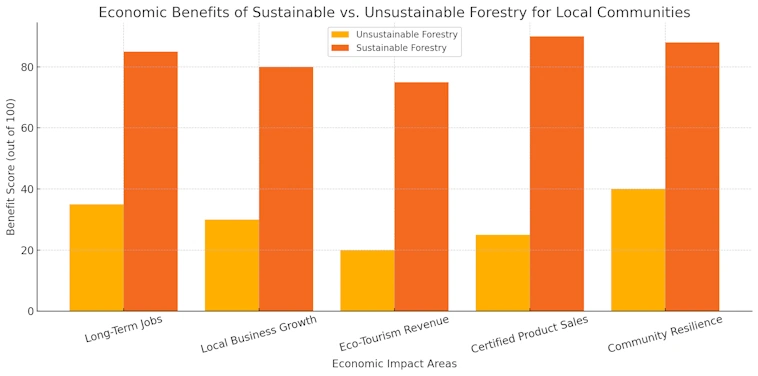
These aren’t just seasonal gigs—they’re skilled, long-term careers that support families and boost local economies. And because the work is tied to preserving forest health, it encourages responsible stewardship rather than short-term exploitation.
Supporting Local Enterprises and Green Innovation
Sustainable forestry also sparks innovation. Local businesses—from sawmills and furniture makers to herbal medicine producers—can build their products around responsibly sourced materials. These products often carry eco-certifications, allowing them to compete in premium markets around the world.
Communities can also benefit from eco-tourism, educational programs, and payments for ecosystem services, such as carbon credits or watershed protection. All of this adds up to a more diversified, future-ready economy that’s rooted in natural wealth.
In many cases, sustainable forestry also respects Indigenous knowledge and land rights, allowing communities to lead the way in managing their forests. This builds not just economic resilience, but also cultural pride and long-term sustainability.
How You Can Support Sustainable Forestry in Everyday Life
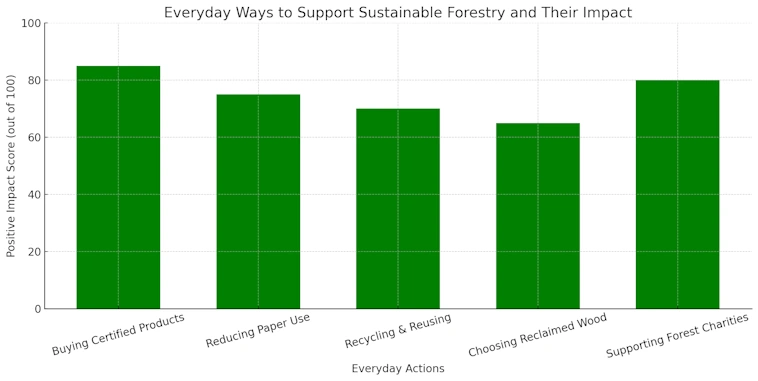
Supporting sustainable forestry doesn’t require living off-grid or planting a forest in your backyard. It starts with everyday choices that help protect trees, wildlife, and communities around the world. The good news? It’s easier than you think.
From the products you buy to the causes you support, small actions can add up to real change. When more people choose sustainability, companies and governments take notice. That means your voice—and your wallet—has power.
Look for Certifications When You Shop
One of the simplest ways to support sustainable forestry is by choosing products that carry credible certifications. The FSC (Forest Stewardship Council) and PEFC (Programme for the Endorsement of Forest Certification) labels are great indicators that wood, paper, or packaging comes from responsibly managed forests.
Look for these logos on everything from toilet paper to furniture, notebooks, and even flooring. Choosing certified products helps increase demand for forests managed in a way that protects biodiversity, respects Indigenous rights, and promotes long-term health.
Reduce, Reuse, and Rethink Paper and Wood Use
It’s not just about buying better—it’s also about using less. Reducing your paper consumption, recycling properly, and repurposing wood products can significantly lower the pressure on forests.
You can also support sustainable forestry by going digital when possible, choosing reusable over disposable items, and buying secondhand or reclaimed wood furniture. Every thoughtful choice helps reduce waste and extend the life of forest resources.
Finally, consider supporting organizations that protect forests or fund reforestation projects. Whether it’s through donations, volunteering, or spreading the word, your actions help build a more sustainable future—tree by tree.
The Bottom Line: Sustainable Forestry Is a Path Forward
As the world faces growing environmental challenges, sustainable forestry offers hope—and real solutions. It helps protect the planet’s most valuable ecosystems, supports the fight against climate change, and creates long-term benefits for people, wildlife, and economies alike.
Every tree protected or planted with care contributes to a healthier future. Whether it’s preserving biodiversity, capturing carbon, or supporting local jobs, the impact of sustainable forestry reaches far beyond the forest floor.
Now more than ever, the choices we make matter. By supporting sustainable practices, we’re not just saving forests—we’re shaping a better, more resilient world for generations to come.