

Extreme Rainfall Is Surging—What You Need to Know
Extreme Rainfall Is Surging—What You Need to Know
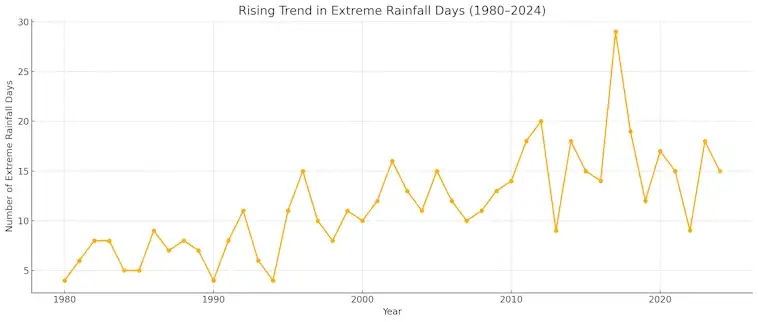
Rain isn’t what it used to be. What once came as a passing shower now often arrives as a sudden downpour, flooding streets, overwhelming drains, and leaving communities scrambling to cope. Across the globe, extreme rainfall is becoming more frequent, more intense, and harder to predict.
This shift isn’t just a weather anomaly—it’s part of a growing pattern linked to a warming planet. Higher temperatures hold more moisture in the atmosphere, fueling heavier rainstorms. The result? Record-breaking rain events are no longer rare; they’re becoming a regular part of life.
Understanding this new reality is essential. From infrastructure to insurance, agriculture to urban planning, extreme rainfall is changing the rules. Knowing what’s behind these changes—and what can be done about them—is now more important than ever.
Why Extreme Rainfall Is Becoming More Common
Extreme rainfall events are no longer rare. In fact, they’re becoming a regular part of the weather cycle in many parts of the world. But why is this happening?
The short answer: a warming planet holds more moisture. As global temperatures rise, the atmosphere can absorb and retain more water vapor. That extra moisture eventually has to come down — and when it does, it often falls all at once.
Warmer Air Means Heavier Downpours
Here’s the science in simple terms: for every 1°C increase in temperature, the atmosphere can hold about 7% more water vapor. That might not sound like much, but it adds up fast. It means storms have more fuel, and that fuel turns into intense, often destructive rainfall.
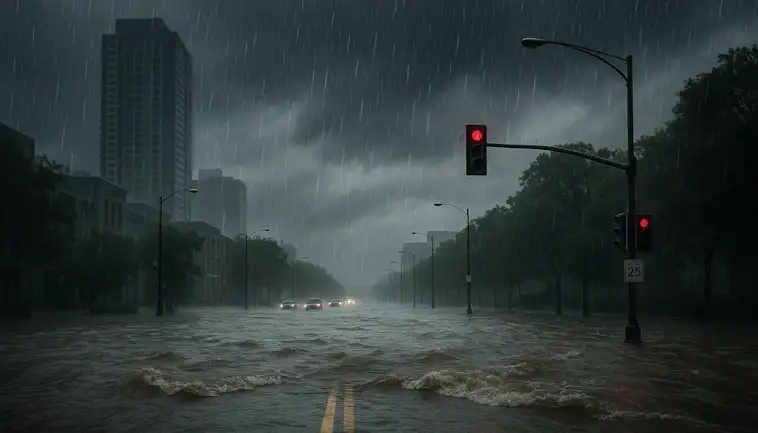
This is why we’re seeing flash floods in places that didn’t used to experience them. Urban areas are especially vulnerable, where paved surfaces leave little room for water to soak in. So when it rains hard, it floods fast.
More Storms Are Stalling
Another factor? Weather patterns are shifting. Thanks to changes in jet streams and ocean temperatures, storms are slowing down. Instead of passing over quickly, they linger. That means more rain falling in the same spot over a longer period of time — increasing the risk of serious flooding.
Take Hurricane Harvey, for example. It dumped more than 50 inches of rain on parts of Texas in 2017. Why? It stalled over the region for days. And scientists say this “stalling effect” is becoming more common.
Looking ahead, communities everywhere will need to rethink their infrastructure and prepare for wetter weather. That means smarter drainage systems, better flood planning, and more awareness. Because as the climate shifts, one thing is clear — extreme rainfall isn’t going away. In fact, it’s just getting started.
The Impact of Intense Rain on Cities and Communities
Heavy rain isn’t just inconvenient. In many cities and communities, it’s becoming a serious threat. Streets flood, homes get damaged, and vital infrastructure struggles to cope. As extreme rainfall becomes more frequent, the impact is being felt everywhere — from major metropolitan areas to small rural towns.
Urban Areas Are Not Built for This Much Water
Many cities were designed for weather patterns of the past. Narrow drains, aging pipes, and paved-over landscapes leave little room for water to go. So when a storm dumps inches of rain in just a few hours, roads quickly turn into rivers.
Public transportation grinds to a halt. Basements and ground floors flood. And emergency services are pushed to their limits. What used to be “once-in-a-decade” storms are now happening every few years — and the damage adds up fast.
Vulnerable Communities Face the Hardest Hits
Not all neighborhoods are affected equally. Low-income communities often sit in lower-lying areas where water naturally collects. They may lack flood barriers, updated drainage, or resources to recover quickly after a storm.
This makes every intense rain event not just a climate issue, but a social one too. People without insurance or access to emergency aid are often left picking up the pieces on their own. And as the climate continues to shift, the risk to these areas grows.
Cities and communities need to adapt — and quickly. Investing in green infrastructure, better stormwater systems, and climate-resilient planning isn’t just smart. It’s necessary. Because if extreme rain is here to stay, we need to be ready for it — wherever we live.
Extreme Rainfall and the Future of Flood Risk Management
As extreme rainfall becomes more intense and more frequent, flood risk management is facing a turning point. What worked in the past won’t be enough for the future. Cities, governments, and local communities are now rethinking how to prepare, respond, and adapt to wetter weather.
Old Systems Are Reaching Their Limits
Most flood control systems were built decades ago. They were designed based on historical rainfall data — not today’s extremes. That’s why we’re seeing overwhelmed storm drains, failing levees, and flooded roads even during “routine” storms.
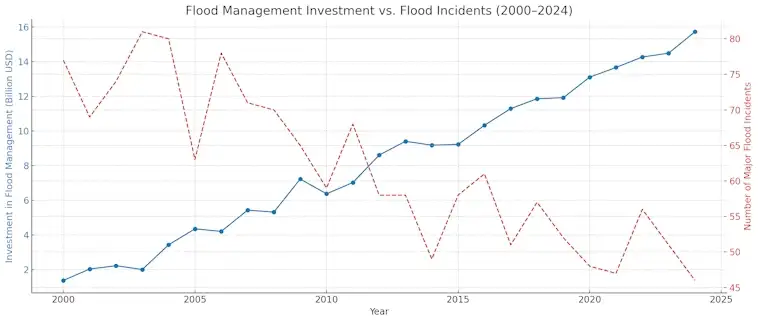
With climate change pushing weather to new extremes, engineers and planners are re-evaluating everything. Outdated infrastructure needs urgent upgrades, and new developments must be built with future risks in mind.
Embracing Nature-Based Solutions
One of the most promising trends in flood management is working with nature, not against it. Green roofs, rain gardens, restored wetlands, and permeable pavement help absorb and slow down stormwater. These nature-based solutions reduce flooding and improve air quality, support biodiversity, and make cities more livable.
In the future, flood risk management won’t just be about concrete and pumps. It will be about creating more resilient, flexible systems that adapt as the climate changes. Community engagement, real-time data, and long-term planning will also be key.
We can’t stop the rain — but we can manage its impact. Forward-thinking strategies, better infrastructure, and smarter planning will shape how well we cope with tomorrow’s storms. The future of flood risk management starts now.
The Economic Costs of Extreme Rainfall Events Are Adding Up
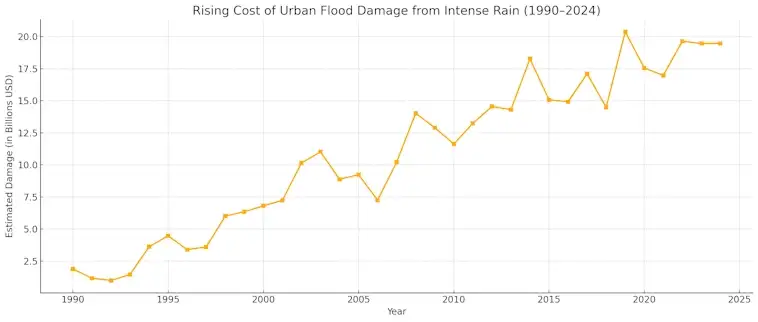
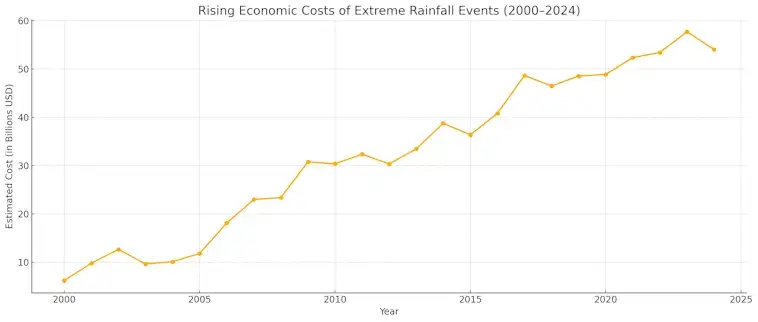
Extreme rainfall isn’t just a weather problem — it’s an economic one. Each storm that floods a city or damages infrastructure comes with a hefty price tag. And as these events become more common, the financial toll is rising fast.
From repairing roads to replacing lost crops, the costs are being felt across industries, governments, and households. What used to be a rare setback is now a recurring line item in local budgets.
Infrastructure Repairs Are Breaking Budgets
When extreme rain hits, the damage can be immediate — and expensive. Bridges wash out. Sewer systems back up. Power grids falter. These repairs don’t come cheap, and many cities weren’t financially prepared for this new normal.
In the U.S. alone, flood-related damages have cost billions annually in recent years. And it’s not just the obvious infrastructure — schools, hospitals, and public transit systems also suffer, requiring urgent and costly upgrades.
Business Interruptions and Insurance Claims Keep Rising
Heavy rains don’t just damage buildings. They disrupt lives and livelihoods. Small businesses often have to shut down during and after storms, losing critical income. Supply chains get delayed. And insurance payouts continue to climb, raising premiums for everyone.
In fact, many insurers are now rethinking coverage in high-risk flood zones. That’s leaving homeowners and businesses with tough choices: pay more or go without coverage entirely.
As rainfall becomes more intense and unpredictable, economic resilience will be just as important as physical resilience. Planning ahead, investing in smarter infrastructure, and protecting vulnerable communities isn’t just good policy — it’s smart economics. Because the cost of doing nothing? That’s only going up.
Can We Adapt Fast Enough to Extreme Rainfall Patterns?
Extreme rainfall is no longer a distant climate threat — it’s here, and it’s accelerating. The question isn’t whether we *need* to adapt, but whether we can do it fast enough. With flash floods, overwhelmed infrastructure, and rising economic costs, the pressure is on.
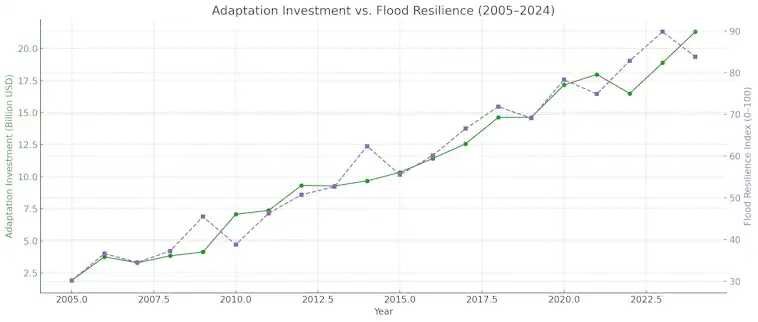
The reality? Adaptation is possible. But it requires bold planning, long-term investment, and a shift in how we think about water, risk, and resilience.
Planning Ahead Is No Longer Optional
Communities that wait to act until after disaster strikes are finding it harder — and more expensive — to recover. The most successful strategies involve proactive planning. That includes updating flood maps, redesigning stormwater systems, and using data to predict which areas are most at risk.
Many cities are now investing in “climate-smart” infrastructure. These projects are designed not just for today’s weather, but for what’s coming in the next 10, 20, or even 50 years. It’s about staying ahead of the curve — not playing catch-up.
Local Solutions with Global Impact
Adaptation isn’t one-size-fits-all. What works in Miami might not work in Manchester. But local actions can have global value. From restoring wetlands to installing permeable pavements, every solution contributes to a larger shift in how we live with water.
Community engagement is also key. When residents are informed, involved, and empowered, adaptation efforts tend to go further and last longer. And when businesses, governments, and neighborhoods work together, the speed of change can increase dramatically.
So, can we adapt fast enough? The answer depends on how quickly we act — and how seriously we take the challenge. With the right mix of urgency, innovation, and investment, it *is* possible to stay ahead of extreme rainfall. But the window for action is narrowing. The time to build resilience is now.
Final Thoughts: Preparing for a Wetter Future
Extreme rainfall is no longer the exception — it’s becoming the rule. Around the world, communities are already feeling the effects in the form of flash floods, infrastructure damage, and rising recovery costs. As the climate continues to warm, these intense weather patterns are expected to grow even more frequent.
But this future isn’t set in stone. By investing in smarter infrastructure, updating flood management strategies, and planning with resilience in mind, we can reduce risk and protect the places we call home. Local action, backed by science and long-term thinking, will make all the difference.
The challenges are real, but so are the solutions. And the sooner we prepare for this new normal, the better off we’ll all be — rain or shine.