

Green Technology Is Shaping Our Eco-Friendly Future
Green Technology Is Shaping Our Eco-Friendly Future
Green technology is redefining how we live, work, and protect the planet. From smarter energy solutions to cleaner transportation, it’s creating real change in the way society tackles climate challenges. As innovation accelerates, what once felt futuristic is becoming part of daily life—solar panels on rooftops, electric vehicles on roads, and sustainable materials in everything from packaging to buildings.
This shift isn’t just good for the environment—it’s also fueling jobs, boosting economies, and inspiring new ways of thinking. Understanding how green technology is shaping a more sustainable future helps reveal where the world is headed and why it matters more than ever.
What Is Green Technology and Why Does It Matter Today?
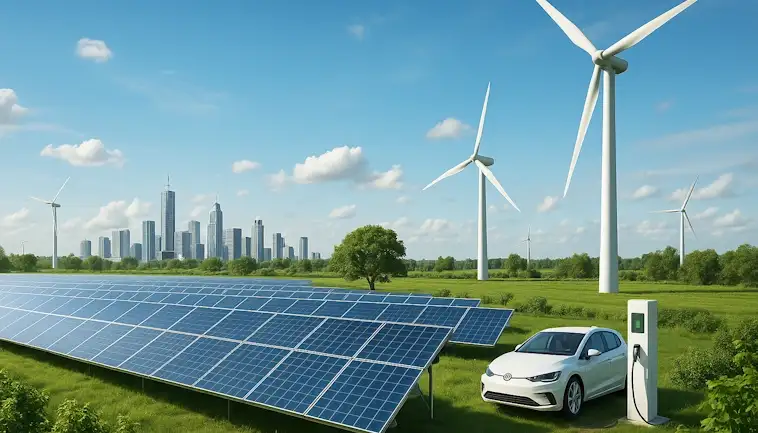
Green technology, sometimes called clean tech or sustainable tech, refers to innovations designed to reduce our impact on the environment. These technologies aim to cut pollution, lower carbon emissions, and make better use of natural resources. Think solar panels, electric vehicles, wind turbines, smart grids, and energy-efficient appliances—just to name a few.
But green tech isn’t just about gadgets. It’s about creating systems that work with nature instead of against it. From how we build homes and grow food, to how we power cities and manage waste, green technology is helping reshape almost every part of modern life.
So why does it matter so much today?
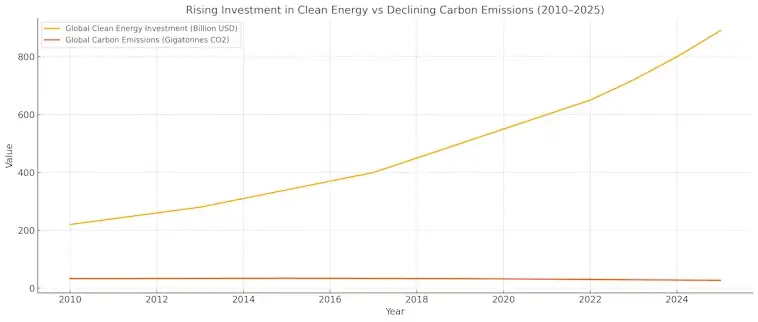
Because the climate crisis is no longer a distant threat. We’re already seeing the effects—more wildfires, stronger storms, rising sea levels, and shrinking biodiversity. Green technology gives us real tools to respond to these challenges in practical, scalable ways.
It also makes economic sense. Clean energy is now often cheaper than fossil fuels. Companies are investing in green innovation not just for environmental reasons, but because it’s becoming the smarter business move. Governments, too, are setting ambitious goals for carbon neutrality—and green tech is at the heart of that push.
Most importantly, it’s about building a future we actually want to live in. One where energy is cleaner, air is healthier, and ecosystems are protected. Green technology helps make that possible.
And here’s the exciting part: We’re just getting started. As technology evolves, so does our ability to live more sustainably without sacrificing comfort or progress. That’s the promise of green tech—and it’s why it matters now more than ever.
How Clean Energy Is Powering a Sustainable Tomorrow
Clean energy is more than just a trend—it’s a transformation. It’s how we move from a world that relies on polluting fossil fuels to one powered by the sun, wind, water, and other renewable sources. And it’s happening faster than many people realize.
Today, solar panels are showing up on rooftops in every corner of the world. Wind farms are generating electricity at scale. Even electric vehicles are becoming the new normal on our roads. Clean energy is no longer a future promise. It’s here, and it’s changing the way we live.
But what makes clean energy so powerful for building a sustainable tomorrow?
First, it drastically reduces greenhouse gas emissions. Unlike coal, oil, and natural gas, clean energy doesn’t release carbon dioxide into the atmosphere. That’s key in slowing down climate change and keeping the planet livable for future generations.
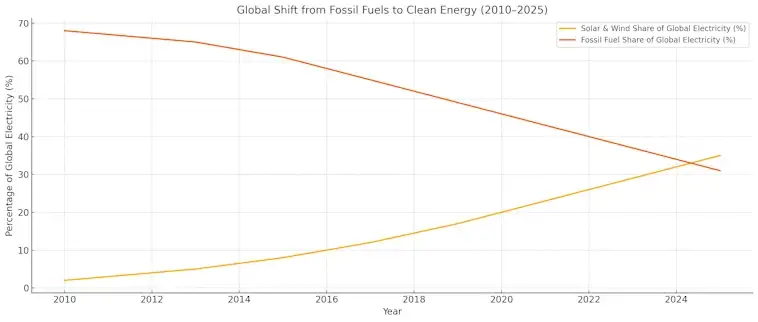
Second, clean energy boosts energy independence. Countries that invest in renewables can produce their own power locally, reducing reliance on foreign oil or gas. That’s not just good for the planet—it’s smart economics and better energy security.
Third, it creates jobs. The clean energy sector is one of the fastest-growing industries globally. From installing solar panels to developing new battery technologies, it offers a wide range of career opportunities and supports thriving local economies.
Finally, clean energy is becoming more affordable. Advances in technology and large-scale investment have brought down costs dramatically. In many places, solar and wind are now cheaper than fossil fuels—making them not only cleaner but also the most cost-effective choice.
The future of energy is renewable, and the shift is already underway. As clean energy continues to expand, it will play a central role in building a world that’s healthier, more equitable, and more resilient.
Clean energy isn’t just about powering homes and cities. It’s about powering hope—and lighting the way toward a better tomorrow.
The Role of Green Technology in Shaping Smarter Cities
Cities are growing fast. By 2050, nearly 70% of the world’s population is expected to live in urban areas. That means we need smarter, more sustainable solutions to keep cities livable. And that’s where green technology steps in.
Green tech is helping cities become cleaner, more efficient, and more connected. From intelligent transportation systems to energy-efficient buildings, these innovations are turning traditional cities into smart cities—with sustainability built in.
One major area where green tech shines is in energy use. Smart grids, powered by renewable energy like solar and wind, are making electricity more reliable and less wasteful. These systems can adjust in real time based on demand, reducing outages and cutting down on emissions.
Another game-changer is sustainable architecture. Green buildings use materials that are better for the environment and consume far less energy and water. Many are even equipped with solar panels, rooftop gardens, and systems that recycle air and water.

Transportation is also being reimagined. Electric buses, bike-sharing programs, and vehicle-to-grid technology are helping reduce traffic emissions. Plus, smart traffic lights and data-driven transit planning are making commutes smoother and cities easier to navigate.
Waste management is going high-tech too. Cities are now using AI and sensor-based systems to optimize recycling, reduce landfill use, and track environmental data. This not only cuts pollution but also helps city leaders make better decisions in real time.
All of this adds up to something bigger: a future where urban life is healthier, safer, and more sustainable. Green technology is helping cities not just grow, but grow smarter.
As more cities embrace these innovations, we’re seeing a powerful shift. It’s no longer about choosing between progress and the planet. With green technology, we can have both—and build cities that truly work for people and the planet.
Eco-Innovation in Everyday Products and Practices
Sustainability isn’t just about big changes—it also lives in the small choices we make every day. That’s where eco-innovation comes in. It’s all about rethinking the products we use and the habits we rely on to be smarter, cleaner, and better for the planet.
From the toothbrush in your bathroom to the packaging on your groceries, everyday items are getting a green makeover. Companies are redesigning common products using recycled materials, biodegradable components, and energy-efficient processes. And the best part? These changes don’t just help the Earth—they often make life easier too.
Take cleaning products, for example. More brands now offer concentrated, refillable, or plastic-free options that reduce waste and cut down on shipping emissions. You get the same clean home, with a lighter footprint.
Or look at clothing. The fashion industry is one of the biggest polluters, but that’s changing fast. Brands are using organic fabrics, water-saving dyes, and even recycled plastic bottles to make everything from jackets to sneakers.
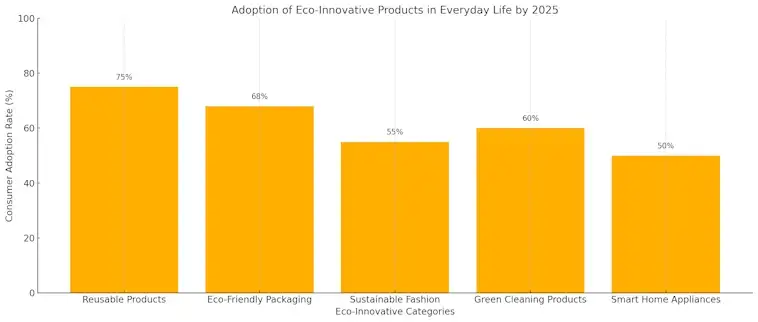
Even in the kitchen, eco-innovation is transforming how we cook and store food. Energy-efficient appliances, compostable wraps, and smart food tracking apps help cut waste and save money.
And let’s not forget daily habits. Simple practices like switching to LED bulbs, carrying a reusable water bottle, or composting food scraps may seem small—but when multiplied by millions of people, they create a massive impact.
What’s exciting is that eco-friendly products are no longer niche. They’re becoming mainstream, accessible, and stylish. Innovation is making sustainability more practical and affordable than ever before.
By embracing these green upgrades in our everyday routines, we’re not just making better choices—we’re shaping a cleaner, healthier future one step at a time.
What the Future Looks Like With Green Technology Leading the Way
Imagine a world where clean energy powers everything. Where cities run on smart systems that waste less and do more. Where the air is cleaner, the oceans are healthier, and communities are thriving. That’s not just a dream—it’s the future green technology is actively building.
As innovation accelerates, green technology is reshaping how we live, work, and connect with the planet. It’s turning challenges like climate change, pollution, and resource scarcity into opportunities for growth, resilience, and renewal.
In the near future, homes will be smarter and fully energy efficient. Solar panels and home batteries will power appliances and charge electric vehicles overnight. Buildings will generate more energy than they consume. Even entire neighborhoods will share clean energy through connected microgrids.
Transportation will be cleaner and faster. Electric vehicles, high-speed trains, and AI-optimized public transit will reduce congestion and cut emissions. Flying taxis and electric cargo drones may even become part of everyday life—quiet, efficient, and emissions-free.
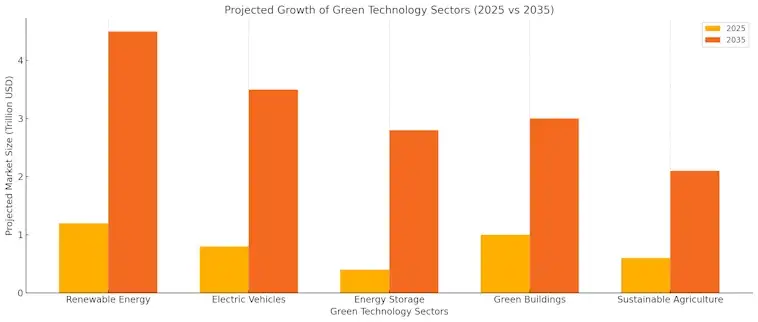
Agriculture will also be transformed. With the help of vertical farming, precision irrigation, and AI-powered crop monitoring, we’ll grow more food using less land, water, and energy. All while restoring natural ecosystems and reducing food waste.
Even manufacturing and industry will evolve. Factories will shift to circular models—reusing materials, recycling waste, and designing products to last longer. Supply chains will be transparent, ethical, and low-impact from start to finish.
But perhaps the biggest shift will be in mindset. Sustainability will no longer be a bonus—it’ll be the baseline. Green tech will be integrated into daily life, not as a luxury, but as the standard. And this shift will be driven by innovation, collaboration, and a global commitment to building a better world.
The future with green technology at the forefront is not just sustainable—it’s smarter, cleaner, and filled with possibility. It’s a future where progress and the planet go hand in hand. And it’s already unfolding—right now.
The Path Forward Is Green
Green technology isn’t just changing how we power our lives—it’s redefining what progress looks like. From cleaner energy and smarter cities to everyday innovations that reduce waste, it’s creating real solutions for today’s challenges and tomorrow’s possibilities.
As climate concerns grow and resources become more precious, investing in sustainable innovation is no longer optional—it’s essential. The good news? The tools, technologies, and momentum are already here.
Whether it’s through renewable energy, eco-friendly products, or intelligent design, the shift toward a greener, more resilient world is gaining speed. And every choice—from how we live and work to what we support—plays a role in that transformation.
The future is being built right now, and it’s powered by green technology. Cleaner. Smarter. More sustainable. That’s not just a goal—it’s the direction we’re headed.