
The Urgent Battle Against Species Extinction
The Urgent Battle Against Species Extinction
Every year, thousands of animal and plant species disappear forever. The natural world is unraveling at a pace not seen since the age of the dinosaurs. Hidden behind the headlines are species extinction. Pollinators are vanishing, forests falling silent, and coral reefs bleaching into lifeless skeletons.
This crisis isn’t just about losing majestic creatures. It’s about collapsing ecosystems that millions of people depend on for clean water, food, and climate stability. The causes are clear: habitat destruction, pollution, climate change, and unsustainable exploitation of wildlife. What’s less clear is how much time remains to reverse course.
Protecting Earth’s rich biodiversity isn’t just an environmental issue. It’s a survival issue. Urgency is growing—but so is innovation, awareness, and hope.
What’s Driving Species Extinction Today?
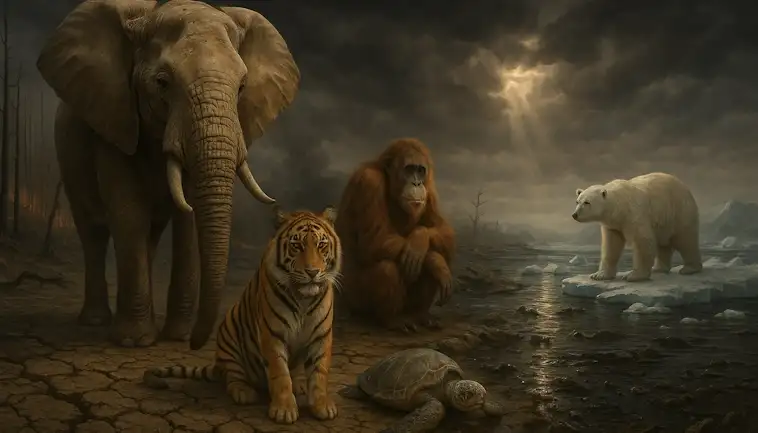
Species extinction isn’t just something that happened to dinosaurs millions of years ago. It’s happening right now—and faster than ever. In fact, scientists say we’re in the middle of a sixth mass extinction, and unlike the ones before, this one is mostly caused by us.
One of the biggest drivers of species extinction today is habitat loss. As cities grow, forests are cleared, and wetlands are drained, animals and plants lose the places they need to live. For many species, there’s simply nowhere else to go.
Climate change is another major threat. Rising temperatures and shifting weather patterns are disrupting natural ecosystems. Species that can’t adapt quickly enough—like polar bears or coral reefs—face a steep uphill battle to survive.
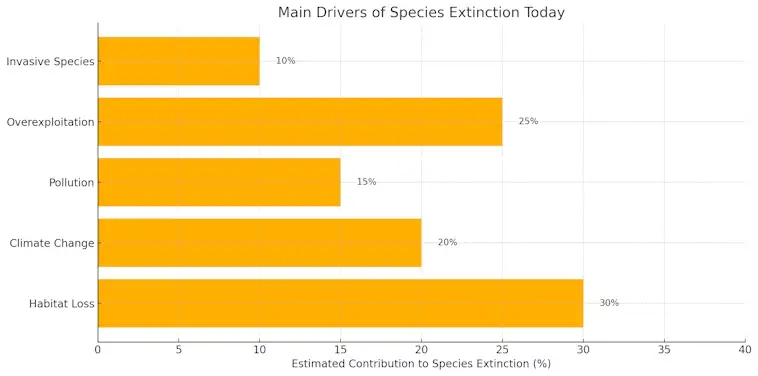
Pollution also plays a dangerous role. Chemicals in our water, plastic in our oceans, and smog in our skies are all putting stress on wildlife. For some species, even small changes in their environment can be deadly.
Then there’s overexploitation. Overfishing, illegal wildlife trade, and poaching are wiping out species at alarming rates. When humans take more than nature can give, extinction becomes inevitable.
Lastly, invasive species—animals or plants introduced to new areas—can quickly overwhelm native species, taking over their food sources or spreading diseases.
All of these factors combine to make species extinction one of the most urgent environmental issues of our time. But the good news? Awareness is growing. With global cooperation and smarter conservation efforts, we can still protect what’s left and turn the tide.
Why Biodiversity Loss Threatens Human Survival
When we talk about biodiversity loss, it might sound like a problem for rainforests or endangered animals far away. But the truth is, biodiversity loss affects all of us—and it threatens the very systems we depend on to survive.
Biodiversity isn’t just about having a variety of species. It’s the backbone of ecosystems that provide clean air, fresh water, healthy food, and disease control. When we lose species, we don’t just lose beauty or balance—we lose life-support systems we can’t live without.
Take pollinators, for example. Bees, butterflies, and other insects are disappearing fast. Yet they’re responsible for growing over a third of the food we eat. Without them, crops fail, food prices rise, and food security takes a hit.
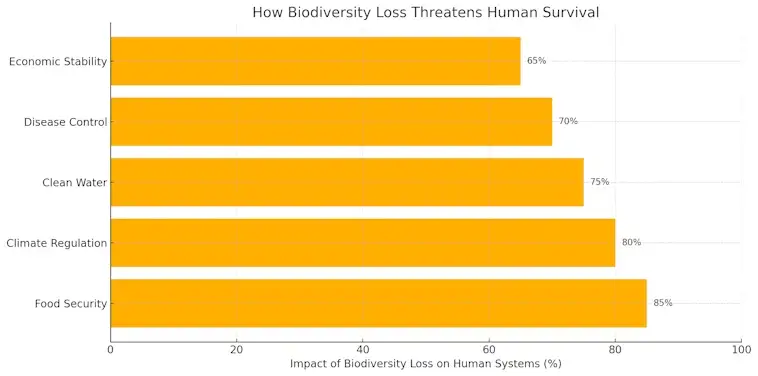
Forests are another example. Rich in biodiversity, they store carbon, regulate the climate, and filter water. As forests shrink and species vanish, we lose one of our best defenses against climate change and natural disasters.
And there’s a health risk, too. As biodiversity declines, the chances of disease outbreaks go up. Why? Because healthy ecosystems help regulate viruses. When they’re disrupted, diseases can jump from animals to humans more easily—just like we saw with COVID-19.
Biodiversity loss isn’t just an environmental issue. It’s a direct threat to human health, food systems, economies, and long-term survival. Protecting biodiversity means protecting ourselves. The sooner we act, the better our chances of building a future that’s safe, stable, and full of life.
The Role of Climate Change in Species Extinction
Climate change is no longer a distant threat—it’s reshaping the natural world right now. And one of its most devastating impacts is its role in accelerating species extinction.
As global temperatures rise, ecosystems are being pushed to their limits. Animals and plants that have adapted over thousands of years are now being forced to cope with rapid shifts in temperature, rainfall, and seasonal patterns. Many simply can’t keep up.
For some species, it’s about survival basics. Warmer oceans are bleaching coral reefs, destroying critical marine habitats. On land, forests are drying out, wetlands are vanishing, and food sources are disappearing. Species that depend on these environments are left with nowhere to go.
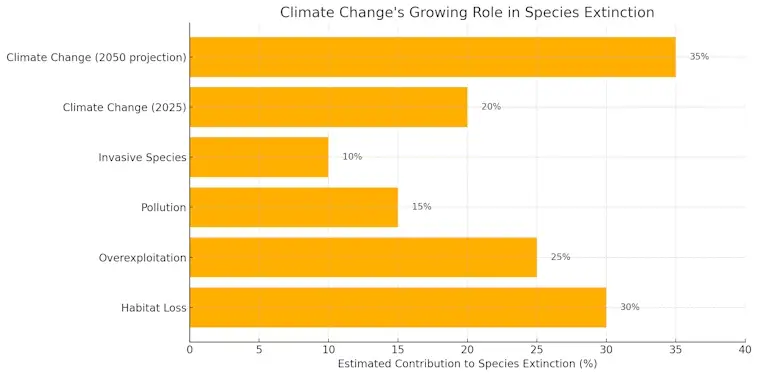
Climate change also disrupts migration patterns and breeding cycles. Birds arrive too early for peak food availability. Insects hatch too late to pollinate. These mismatches throw entire ecosystems out of balance.
Even species living in remote or protected areas aren’t safe. Rising sea levels threaten coastal habitats, while more frequent wildfires and extreme weather events destroy landscapes overnight.
Scientists warn that climate change could soon overtake habitat loss as the leading cause of species extinction. And this matters—not just for wildlife, but for us. Healthy ecosystems rely on biodiversity to stay strong and resilient. When species disappear, ecosystems weaken. That puts food, water, and climate stability at risk for everyone.
Understanding the link between climate change and species extinction is critical. It shows us that climate action isn’t just about emissions—it’s also about protecting life on Earth.
Can Conservation Efforts Still Turn Things Around?
With so much news about habitat loss and species extinction, it’s easy to feel like the damage is already done. But here’s the good news: conservation efforts can still make a powerful difference—and in many places, they already are.
From protecting rainforests to restoring coral reefs, conservation is helping nature bounce back. Species once thought to be lost forever, like the California condor or the black-footed ferret, are now making cautious comebacks thanks to focused recovery programs.
Protected areas, such as national parks and marine reserves, give wildlife the safe space they need to thrive. When we create room for nature, biodiversity starts to return. And that doesn’t just benefit animals—it strengthens the ecosystems we rely on for clean air, water, and food.
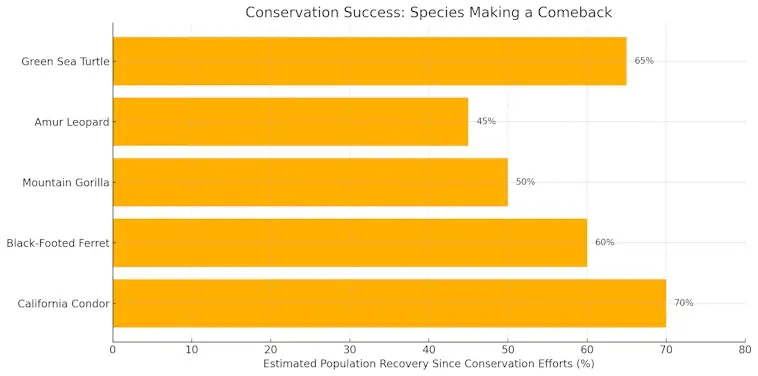
Community-based conservation is also gaining ground. When local people are involved in protecting the land they live on, efforts tend to last. Whether it’s Indigenous stewardship, rewilding projects, or eco-friendly farming, real change happens when people are part of the solution.
Even small actions add up. Reducing plastic use, planting native species, supporting sustainable products, and voting for climate-smart policies all contribute to reversing biodiversity loss.
The truth is, we already have the tools to slow down species extinction. What we need now is commitment and scale. By investing in conservation today, we can still turn the tide and protect the web of life that supports us all.
What You Can Do to Help Stop Species Extinction
It’s easy to feel powerless when reading about habitat loss, climate change, and species extinction. But the truth is, your everyday choices can make a real difference. Protecting wildlife isn’t just the job of scientists or governments—it starts with all of us.
1. Support Conservation Organizations
Donate to or volunteer with groups working to protect endangered species and restore habitats. Even small monthly donations help fund critical research, rescue missions, and preservation efforts.
2. Choose Sustainable Products
Look for labels like FSC-certified wood, Rainforest Alliance, or sustainably sourced seafood. These choices help reduce deforestation, overfishing, and pollution—major drivers of biodiversity loss.
3. Reduce Your Carbon Footprint
Climate change is a growing cause of species extinction. Drive less, eat more plant-based meals, switch to renewable energy if possible, and support climate-friendly policies.
4. Plant Native Species
Create a wildlife-friendly garden by planting native plants. These provide food and shelter for local birds, insects, and pollinators, which are essential for healthy ecosystems.

5. Say No to Wildlife Products
Avoid buying products made from ivory, exotic leathers, or endangered animals. This reduces demand and helps disrupt the illegal wildlife trade.
6. Raise Awareness
Talk about extinction with friends, share facts on social media, and support educational programs. The more people know, the more they’ll care—and act.
7. Vote for Nature
Support leaders and policies that prioritize the environment, fund conservation, and address climate change. Policy change is one of the fastest ways to protect species at scale.
Stopping species extinction is possible—but it depends on collective action. Every positive choice adds up. And the more of us who step up, the better chance we have of preserving the rich diversity of life on Earth—for ourselves and future generations.
The Bottom Line
The fight against species extinction is one of the most critical challenges of our time. It’s not just about saving animals or plants—it’s about protecting the natural systems that keep our planet livable.
Every species plays a role in the web of life. When one disappears, it weakens the entire system. And when too many vanish, the consequences ripple out—affecting food, water, health, and climate stability for everyone.
But this is not a story without hope. Around the world, conservation efforts are working. Species are being saved. Ecosystems are being restored. And people like you are helping to make it happen.
There is still time to change course. By making informed choices, supporting science-backed solutions, and raising your voice for nature, you can help turn the tide. Together, we can protect the incredible diversity of life on Earth—and secure a healthier, more resilient future for generations to come.