
Climate Patterns, Predictions and Impacts for Our Future
Climate Patterns, Predictions and Impacts for Our Future
Rising temperatures, shifting rainfall, stronger storms—these are no longer distant possibilities. They’re already reshaping lives, economies, and ecosystems around the world. Behind these changes are climate patterns that are growing more unpredictable and extreme.
Understanding how these patterns are evolving is key to preparing for what comes next. From heatwaves in unexpected places to longer droughts and flooding, scientists are mapping out what the next few decades could look like. Their forecasts are not just numbers—they point to real changes that will impact how we live, grow food, manage water, and protect communities.
As the planet warms, some regions may face harsher challenges than others, but no corner of the world is untouched. Knowing what to expect helps governments, businesses, and individuals take meaningful action now—before the next big shift arrives.

What Are Climate Patterns and Why Do They Matter?
Climate patterns are long-term trends in temperature, rainfall, wind, and other weather conditions. They help us understand how the climate behaves over months, years, or even decades. Unlike daily weather, which can change quickly, climate patterns reveal the bigger picture of what’s happening to our planet over time.
Think of them as nature’s recurring rhythms. For example, El Niño and La Niña are well-known climate patterns that shift ocean temperatures in the Pacific and influence weather all around the globe—from heavy rains in some places to droughts in others.

Why does this matter? Because climate patterns shape our world in powerful ways. They affect the timing of planting seasons, the strength of hurricanes, wildfire risks, and even how much water we have in reservoirs. By tracking these patterns, scientists can better predict extreme weather and help communities prepare before disaster strikes.
Understanding climate patterns also gives us a clearer view of how human-driven climate change is altering the natural flow of things. As the planet warms, many of these patterns are shifting—leading to more intense storms, longer heatwaves, and unpredictable rainfall.
In short, climate patterns help us plan, protect, and prepare. They’re key to everything from food security to flood management. And in today’s rapidly changing world, paying attention to them isn’t just smart—it’s essential.
Future Climate Predictions: What Science Tells Us
What will our world look like in the next 10, 20, or 50 years? Climate scientists have been working hard to answer that question. Thanks to advanced models and decades of data, we now have a clearer picture of what the future may hold if global warming continues.
The science is telling us this: the Earth is getting warmer, and it’s happening faster than at any point in recent history. If greenhouse gas emissions stay high, we can expect more intense heatwaves, stronger storms, rising sea levels, and shifting rainfall patterns. Droughts may become more common in dry regions, while floods could increase in others.
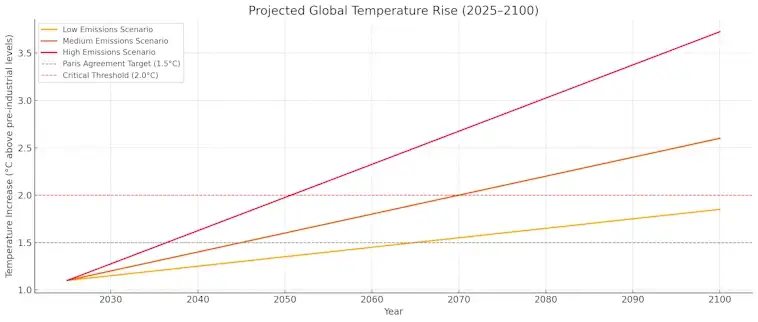
But it’s not all doom and gloom. These predictions also help us prepare and adapt. For example, cities are updating their infrastructure to handle heavier rains. Farmers are exploring climate-smart crops that can survive in hotter, drier conditions. And clean energy technologies—like solar, wind, and electric vehicles—are growing fast and offer real hope for reducing emissions.
Most importantly, these forecasts remind us that the future isn’t set in stone. The choices we make today—how we use energy, how we build communities, how we protect nature—can shape what tomorrow looks like.
In short, science gives us the roadmap. It’s up to us to decide which path to take.
How Changing Climate Patterns Will Affect Daily Life
Climate change isn’t just something happening far away or far into the future. It’s already beginning to shape the way we live, work, and move through the world. As climate patterns shift, everyday life is starting to feel the effects—sometimes in ways we don’t even notice right away.
One of the biggest changes is in the weather we experience. Hotter summers are becoming more common, which means higher energy bills as we try to stay cool. Longer heatwaves can also lead to health risks, especially for children, seniors, and those with medical conditions.
In many places, seasons are shifting. Winters may be shorter and milder, or suddenly more extreme. This can affect everything from school calendars and sports seasons to allergy cycles and road conditions.
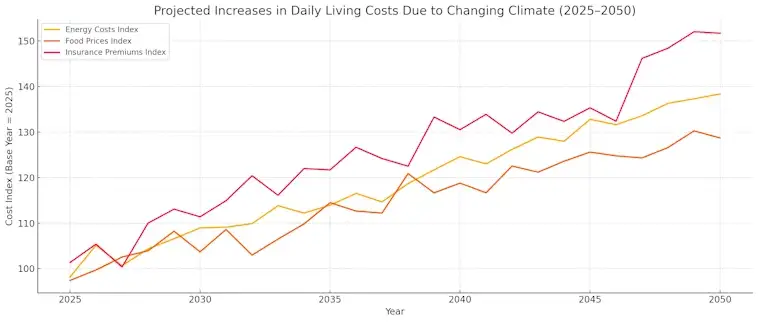
Food prices could go up as farms struggle with less predictable rainfall and rising temperatures. Water shortages might hit areas that once had steady supplies. And stronger storms—fueled by warmer oceans—can cause more power outages, flooding, and disruptions to travel and supply chains.
Even our mental health is affected. Studies show that more frequent natural disasters and extreme weather events can lead to stress, anxiety, and emotional strain—especially when communities are unprepared.
But here’s the good news: understanding how climate patterns affect daily life gives us a chance to adapt. Cities are investing in green infrastructure. Homeowners are installing better insulation and rooftop solar. And more people are learning how their choices—from commuting to shopping—can help reduce their impact.
The more we know, the better we can respond. Climate change is global, but its effects are deeply personal. And it’s going to shape daily life in ways we all need to be ready for.
Global Hotspots: Where Climate Impacts Will Hit Hardest
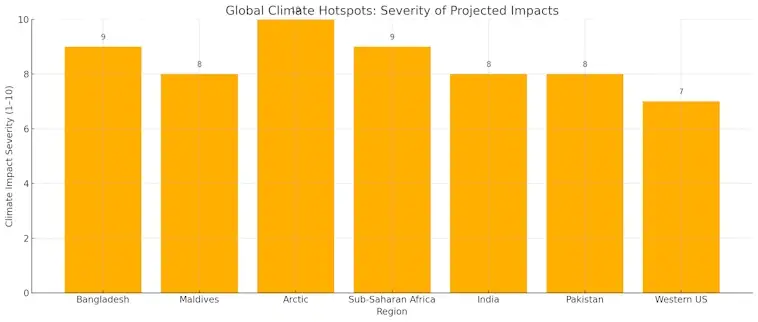
Climate change isn’t happening evenly across the globe. Some regions are facing faster and more severe impacts than others. These “climate hotspots” are areas where rising temperatures, shifting rainfall, and extreme weather events are already disrupting lives—and where the risks will continue to grow.
1. Low-Lying Coastal Areas
Places like Bangladesh, the Maldives, and parts of Florida are especially vulnerable to sea level rise. As oceans warm and ice melts, flooding and erosion are becoming regular threats. Millions of people in coastal cities could be forced to relocate if seas keep rising.
2. The Arctic
The Arctic is warming nearly four times faster than the rest of the world. Ice is melting, permafrost is thawing, and wildlife habitats are disappearing. These changes also affect global weather patterns, increasing the risk of extreme events elsewhere.
3. Sub-Saharan Africa
This region is already one of the hottest and driest on Earth—and it’s getting even hotter. Water scarcity, crop failures, and food insecurity are growing problems. Climate stress is also adding pressure to migration and conflict in some areas.
4. South Asia
Countries like India, Pakistan, and Bangladesh face deadly heatwaves, stronger monsoons, and unpredictable rainfall. These shifts threaten agriculture, public health, and access to clean water for hundreds of millions of people.
5. Western United States
Wildfires, drought, and heatwaves are becoming more intense across the western U.S. Cities like Phoenix, Los Angeles, and Las Vegas are seeing longer stretches of extreme heat. Water shortages are also challenging communities that depend on shrinking river systems.
These regions highlight an important truth: while climate change is global, its impacts are deeply local. Where you live matters. That’s why it’s so important for communities—especially those in vulnerable areas—to prepare, adapt, and push for climate action.
What We Can Do: Solutions for Changing Climate Patterns
The climate is changing—but so can we. While the challenges are serious, there are proven solutions that can help slow climate change and protect our communities from its impacts. And the best part? Many of these solutions are already within reach.
1. Cut Carbon Emissions
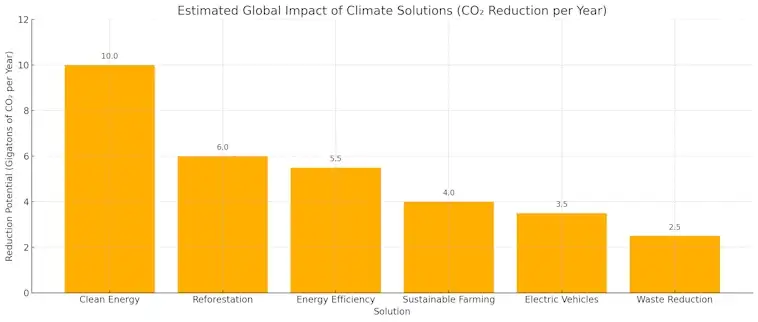
The biggest driver of climate change is greenhouse gas emissions, especially carbon dioxide from burning fossil fuels. Switching to clean energy—like solar, wind, and hydropower—is one of the most effective ways to reduce emissions. Driving electric cars, improving public transit, and using energy-efficient appliances also make a real difference.
2. Protect Forests and Natural Areas
Forests absorb carbon and help regulate the climate. When we protect rainforests, restore wetlands, and stop deforestation, we’re giving the planet a powerful tool to fight back. Even planting trees in cities can help cool neighborhoods and clean the air.
3. Build Resilient Communities
As climate patterns shift, we need to adapt. That means investing in stronger infrastructure—like flood barriers and cooling centers—and designing buildings that can withstand extreme weather. Communities that plan ahead bounce back faster after disasters.
4. Support Sustainable Farming
Agriculture both affects and is affected by the climate. Farmers are now using smarter irrigation, planting drought-resistant crops, and reducing food waste. Supporting local and sustainable food systems helps reduce emissions and builds food security.
5. Take Action Locally
You don’t need to be a scientist or a policymaker to make an impact. Choosing renewable energy, reducing waste, speaking up for climate policies, and voting with the environment in mind all add up. Local action can spark global change.
The climate may be changing, but so is the way we respond. With innovation, community, and determination, we can shape a safer, more sustainable future—one decision at a time.
The Bottom Line: Why Climate Patterns Matter for All of Us
Climate patterns are more than just science—they’re a window into our future. From shifting seasons to rising costs and extreme weather, the changes are already touching our daily lives. And the predictions are clear: without action, the impacts will grow stronger, faster, and more widespread.
But there’s reason for hope. We have the knowledge, the tools, and the solutions to make a difference. Whether it’s reducing emissions, protecting natural spaces, or building resilient communities, every step forward counts.
The choices we make today will shape the world our children inherit. Understanding how climate patterns are changing—and what we can do about it—isn’t just important. It’s essential for creating a future that’s safer, healthier, and more sustainable for everyone.
Now is the time to act. Together, we can rise to the challenge.