

How Global Warming Is Redefining Our Planet’s Future
How Global Warming Is Redefining Our Planet’s Future
Rising temperatures are reshaping life on Earth in ways that can no longer be ignored. From shifting weather patterns to melting glaciers and rising seas, the impact is already being felt across continents, communities, and ecosystems.
Understanding how global warming is influencing the planet helps make sense of the changes unfolding around us—and what might come next.
What’s unfolding isn’t just about climate—it’s about the future of food, water, housing, and health. And it’s happening faster than many expected.
Staying informed and paying attention to these shifts is more than just important—it’s essential. As climate science becomes clearer and the stakes grow higher, it’s becoming impossible to look away.

Rising Temperatures: The New Normal Around the World
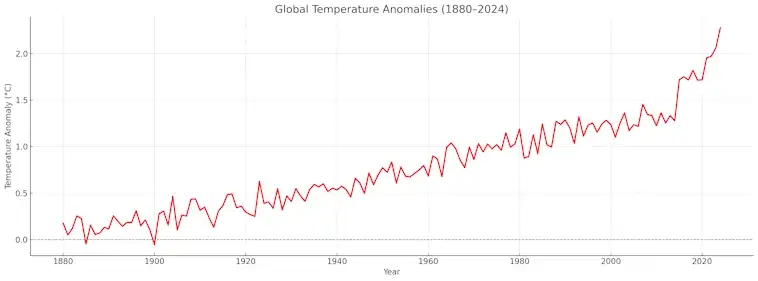
It’s no longer just a hot summer here or an unusually warm winter there. Around the world, temperatures are rising—and it’s happening faster than many expected. Scientists agree: the past decade has been the hottest on record. This isn’t a blip or a phase. It’s a global shift.
But what does that really mean for our day-to-day lives, for the food we eat, and for the natural world around us? Let’s break it down.
A Hotter Everyday Life
- Heatwaves are more common—and more intense. Cities across Europe, Asia, and North America are seeing record-breaking summer highs. In some places, what used to be rare extreme heat is now a regular seasonal event.
- Energy bills are climbing. Air conditioners are working overtime. Demand for electricity rises with every degree, straining power grids and pushing up household costs.
- Health risks are increasing. Longer stretches of heat can be dangerous, especially for the elderly, children, and people with existing health conditions. Even healthy adults can face serious risks if they’re exposed for too long.
Farming Under Pressure
- Growing seasons are shifting. Farmers are having to adjust when—and what—they plant. Some crops are struggling with the heat, while others are being planted in entirely new regions.
- Droughts are drying up fields. In parts of Africa, Australia, and the American West, less rainfall and hotter days mean less water for crops. That’s bad news for food supply and prices.
- Pests and diseases are spreading. Warmer temperatures allow bugs and plant diseases to travel to places they’ve never been before, creating new threats for agriculture.
Ecosystems on the Edge
- Wildlife is on the move. As habitats warm, animals and insects are migrating to cooler areas. This can disrupt food chains and fragile ecosystems.
- Forests are under stress. Higher temperatures combined with drought increase the risk of wildfires. Even rainforests and boreal forests—once seen as climate safe zones—are feeling the heat.
- Coral reefs are bleaching. Warmer ocean temperatures are causing coral to expel the algae they need to survive. That’s bad news for marine biodiversity and coastal communities who rely on reef ecosystems.
Looking Ahead: Adapting to a Warmer World
The rising temperatures aren’t just a warning—they’re a call to action. While global efforts to cut emissions are essential, so is adaptation. That means rethinking how we design our cities, grow our food, and protect our ecosystems.
Melting Ice and Rising Seas: Coastal Cities at Risk
When we think about climate change, it’s easy to picture hotter days and wild weather. But there’s another, quieter crisis unfolding—at the edges of the world and creeping toward our shorelines.
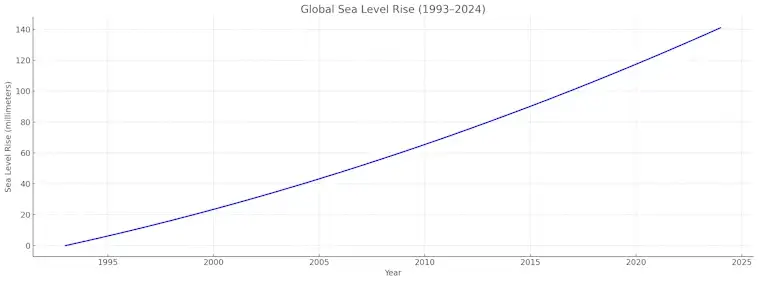
From the icy stretches of Antarctica to the shrinking glaciers of Greenland, Earth’s polar ice is melting faster than ever. This meltwater doesn’t stay in place—it flows into our oceans, slowly raising sea levels across the globe. And that’s putting millions of people, and some of the world’s most iconic cities, in harm’s way.
Let’s explore how melting ice is reshaping coastlines and what that means for the future of urban life.
The Link Between Melting Ice and Rising Seas
- Ice sheets are shrinking fast. Satellite data shows that both Greenland and Antarctica are losing ice at record rates. Together, they’ve contributed to over one-third of sea level rise since 1993.
- Glaciers are disappearing. Mountain glaciers, from the Rockies to the Himalayas, are steadily vanishing. This adds even more water to the oceans.
- Thermal expansion matters too. Warmer oceans take up more space. So, rising temperatures aren’t just melting ice—they’re physically expanding the seas.
The Cities in the Crosshairs
- Major cities are already feeling the impact. New York, Miami, Jakarta, and Bangkok are just a few examples of urban areas where high tides now regularly flood streets.
- Infrastructure is at risk. Sea level rise threatens roads, subways, power stations, and drinking water systems. Coastal flooding can shut down entire cities—even with just a few inches of rise.
- Rising seas don’t hit evenly. Some regions are more vulnerable than others due to land subsidence, local tides, and storm patterns. For instance, parts of Southeast Asia and the U.S. Gulf Coast are sinking as the sea rises.
What the Future Could Look Like
- By 2100, sea levels could rise by up to a meter (or more). That’s enough to displace tens of millions of people. In worst-case scenarios, entire island nations could be lost.
- Climate refugees will reshape populations. As low-lying areas become unlivable, we may see large-scale migration to inland regions, putting pressure on housing, jobs, and public services.
- Defenses are in motion—but expensive. Cities are building sea walls, floodgates, and artificial barriers. But not every community can afford these protections, especially in developing nations.
Preparing for a Watery Future
The risk is real, but it’s not too late to act. While we work globally to cut greenhouse gas emissions, local adaptation is key. That means:
- Rethinking how we build and where we build
- Investing in coastal defenses and green infrastructure
- Listening to climate science and planning ahead—not reacting too late
Sea level rise isn’t just tomorrow’s problem—it’s today’s challenge. And how we respond now will shape the safety, sustainability, and success of coastal cities for generations to come.
Understanding that this is the new normal is the first step. From there, it’s about building resilience and embracing innovation in the face of a changing climate.
Climate-Driven Disasters: More Fires, Storms, and Floods
Extreme weather is no longer just the backdrop for a dramatic news headline—it’s becoming the new reality for people around the world.
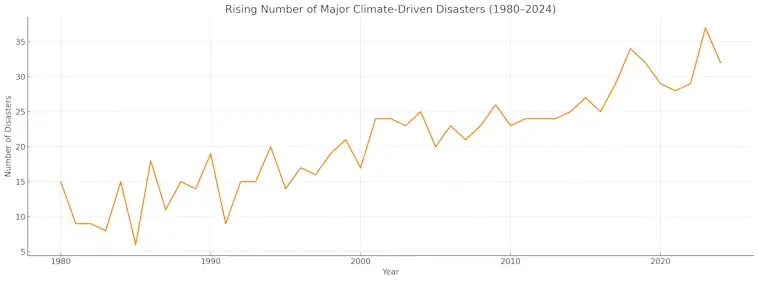
From raging wildfires in California to devastating floods in Pakistan and record-breaking hurricanes in the Atlantic, climate-driven disasters are becoming more frequent, more intense, and far more destructive. Scientists are clear: global warming is a major factor behind this surge in extreme weather. And the consequences are hitting home harder than ever before.
Let’s look at how a warming planet is fueling these disasters—and what it means for communities everywhere.
Why Extreme Weather Is Getting Worse
- Warmer air holds more moisture. This leads to heavier rainfall, stronger storms, and more flash floods.
- Hotter temperatures dry out landscapes. This makes wildfires more likely—and much harder to control once they start.
- Ocean heat turbocharges hurricanes. Warm sea surface temperatures are feeding more powerful and longer-lasting tropical storms.
The science is simple: the more the planet heats up, the more energy the weather system has to unleash chaos.
Wildfires: Burning Bigger and Hotter
- Longer fire seasons. Drier, hotter conditions are extending fire seasons across North America, Australia, and the Mediterranean.
- More megafires. These are fires that burn over 100,000 acres—once rare, now increasingly common.
- Smoke and air quality. Even cities far from the flames are suffering from hazardous air pollution caused by wildfire smoke.
Storms: Stronger and More Frequent
- Category 4 and 5 hurricanes are on the rise. These storms bring catastrophic winds, storm surges, and damage that can last for years.
- Coastal areas are under siege. Rising sea levels worsen storm surges, flooding homes and infrastructure even faster.
- More rain, more problems. Storm systems are moving slower, dumping huge amounts of rain over one area and increasing flood risk.
Floods: From Urban Streets to Entire Regions
- Flash floods are striking cities. Poor drainage systems can’t handle sudden, intense downpours—turning roads into rivers in minutes.
- Rivers are overflowing more often. Heavier rainfall is pushing rivers past their limits, especially in South Asia and parts of Africa.
- Costs are skyrocketing. Flood damage is now one of the most expensive climate-related costs for governments and insurers alike.
A Call for Global Preparedness
Climate-driven disasters are no longer isolated events. They’re part of a larger pattern that demands attention and action. Here’s what needs to happen:
- Early warning systems need investment and expansion.
- Cities must build smarter—with green infrastructure that can absorb water, reduce heat, and withstand strong winds.
- Disaster response plans must be inclusive, equitable, and climate-aware.
The Bottom Line: Be Ready, Stay Resilient
Climate change is no longer a distant threat—it’s here, now, and showing up in the most destructive ways. But with awareness, planning, and innovation, we can reduce the risks and build stronger, safer communities. The sooner we act, the better we protect what matters most.
Changing Habitats: Wildlife on the Move or in Decline
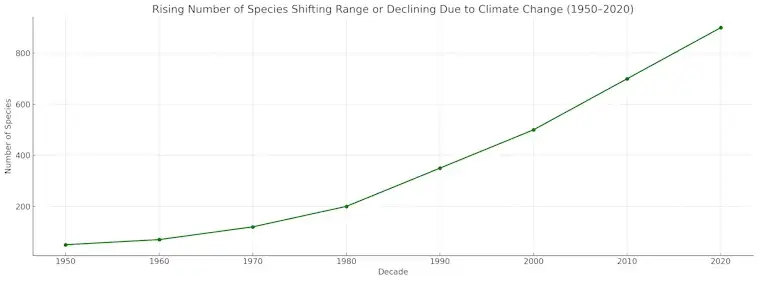
As the climate warms, nature is being forced to adapt—or disappear. Animals, birds, insects, and plants are shifting where they live in a race against rising temperatures, shrinking food sources, and disappearing habitats. Some are managing to move. Others aren’t so lucky.
Climate change is transforming the natural world at a pace many species can’t keep up with. From the Arctic tundra to tropical rainforests, the balance of ecosystems is being shaken—and the ripple effects reach far beyond the animal kingdom. Let’s take a closer look at how wildlife is reacting to a changing climate.
Species on the Move
- Animals are heading uphill and poleward. As temperatures rise, many species are migrating northward or to higher elevations in search of cooler conditions. This includes butterflies in Europe, moose in North America, and marine species in the world’s oceans.
- Bird migrations are shifting. Birds are arriving earlier in spring and leaving later in fall. But the timing of their food sources, like insects or berries, doesn’t always match up—creating new survival challenges.
- Marine life is relocating. Fish populations are moving to cooler waters, which is disrupting fisheries and economies, especially in coastal communities that rely on them for food and income.
Those That Can’t Move Face Steeper Odds
- Coral reefs are bleaching. Warmer ocean waters are killing coral at alarming rates, devastating entire reef ecosystems that support thousands of marine species.
- Amphibians and reptiles are under stress. These cold-blooded creatures rely on external temperatures to regulate their bodies. Shifts in climate are disrupting their life cycles and habitats.
- Iconic species are in danger. Polar bears are losing their hunting grounds as Arctic ice melts. Koalas are suffering from heat stress and habitat loss. Even species that once seemed resilient are now vulnerable.
Ripple Effects Across Ecosystems
- Predator-prey relationships are changing. As some species move and others don’t, the food chain can become unbalanced. This creates knock-on effects across entire ecosystems.
- Invasive species are spreading. Warmer temperatures make it easier for invasive species to thrive in new areas, crowding out native wildlife and altering habitats.
- Biodiversity loss is accelerating. The faster the climate changes, the harder it is for ecosystems to recover. This weakens the planet’s natural resilience and threatens human well-being too.
What Can Be Done?
While some damage is already done, there’s still time to act:
- Protect and connect habitats. Wildlife corridors and protected areas help species move safely as they adapt to new environments.
- Cut greenhouse gas emissions. Reducing the pace of climate change gives nature a better chance to catch up.
- Support conservation efforts. From local restoration projects to global wildlife protection agreements, every action helps.
Nature’s Alarm Bells Are Ringing
Wildlife is sending us a clear signal: the world is changing too fast. Every species lost or displaced is a warning—and a reason to act. By protecting nature, we’re also protecting the delicate systems that support clean air, water, food, and life itself.
The Road Ahead: Innovations and Actions Shaping a Greener Future
The headlines about climate change can feel overwhelming. But there’s another side to the story—one filled with hope, action, and innovation. Around the world, people are reimagining how we power our lives, build our cities, and protect our planet.
From clean tech breakthroughs to bold climate policies and grassroots movements demanding change, momentum is building. The road ahead won’t be easy, but it’s lined with solutions that are already making a difference—and they’re scaling fast.
Let’s explore the most promising innovations and actions that are shaping a more sustainable, climate-resilient future.
Clean Energy Is Powering the Shift
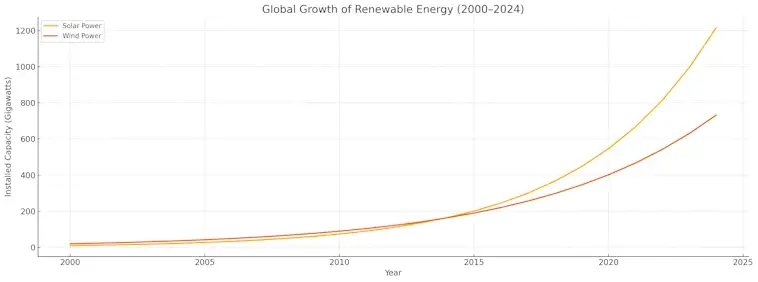
- Solar and wind are cheaper than ever. Renewables are now more affordable than fossil fuels in many regions. Entire nations are ramping up wind farms and solar parks to power homes and industries.
- Battery tech is booming. Advances in energy storage—especially lithium-ion and solid-state batteries—are making renewable energy more reliable around the clock.
- Green hydrogen is gaining steam. This zero-emission fuel has the potential to replace fossil fuels in hard-to-decarbonize industries like steel, shipping, and aviation.
Smarter Cities and Greener Living
- Buildings are going net-zero. From eco-friendly materials to rooftop gardens and smart thermostats, cities are embracing energy-efficient architecture.
- Electric vehicles are hitting the mainstream. EVs are cleaner, quieter, and more affordable than ever before. Charging stations are expanding quickly, even in rural areas.
- Public transport and bike-friendly planning are becoming key strategies to reduce emissions and improve urban air quality.
Policy Shifts with Global Impact
- Carbon pricing is gaining traction. Countries are putting a cost on carbon emissions, encouraging businesses to cut pollution and invest in clean alternatives.
- International climate agreements matter. Pledges made under the Paris Agreement and updated national climate plans are pushing governments to act with urgency.
- Local laws are driving innovation. Cities and states are leading the charge with bold goals for 100% clean energy, zero-emission transport, and green job creation.
Grassroots Movements Are Leading the Way
- Youth activism is reshaping the climate conversation. Movements like Fridays for Future have put climate justice on the global agenda.
- Indigenous communities are protecting ecosystems. Their leadership in conservation is helping safeguard forests, rivers, and biodiversity hotspots.
- Everyday people are taking action. From community gardens to zero-waste initiatives, local efforts are inspiring change from the ground up.
The Future Is Still in Our Hands
While the challenges are real, the tools to build a greener future are already here. It’s no longer about choosing between the planet and progress. The two go hand in hand. What’s needed now is scale, speed, and sustained commitment.
The road ahead is one of innovation, resilience, and shared responsibility. Whether you’re a policymaker, a business leader, or just someone trying to make better daily choices, there’s a role for everyone in this global movement.
Conclusion
Global warming is no longer a distant threat. It’s changing the way we live, where we live, and what the future will look like—for people, for wildlife, and for the planet as a whole. Rising temperatures, stronger storms, melting ice, and shifting ecosystems are all part of a new global reality.
But the story isn’t finished. While the challenges are urgent, the solutions are within reach. Clean energy, smarter cities, bold policies, and collective action are already driving change. Every choice we make—from the power we use to the leaders we support—has the potential to make a difference.
The path forward will demand creativity, courage, and cooperation across every level of society. But if we act now, we can build a future that’s not just warmer, but wiser—more sustainable, more just, and more prepared for what’s ahead.
The planet is changing. The question is: will we change fast enough to meet the moment?