

Temperature Spikes Are Getting Worse for Your Health, Home, and Future
Temperature Spikes Are Getting Worse for Your Health, Home, and Future
It’s not just your imagination—heat is hitting harder and hanging around longer. What used to be a few uncomfortable days in summer is now stretching into dangerous territory. Cities are breaking temperature records year after year. Nights aren’t cooling down like they used to. And the consequences go well beyond sweaty afternoons.
These sudden spikes aren’t just a nuisance—they’re reshaping how we live, work, and stay healthy. As extreme heat becomes more common, understanding what’s at stake is becoming a necessity, not a choice.
There’s a lot to unpack—physically, financially, and emotionally. The way we respond today will shape how resilient we are tomorrow.
Why Spikes Are More Frequent and Intense
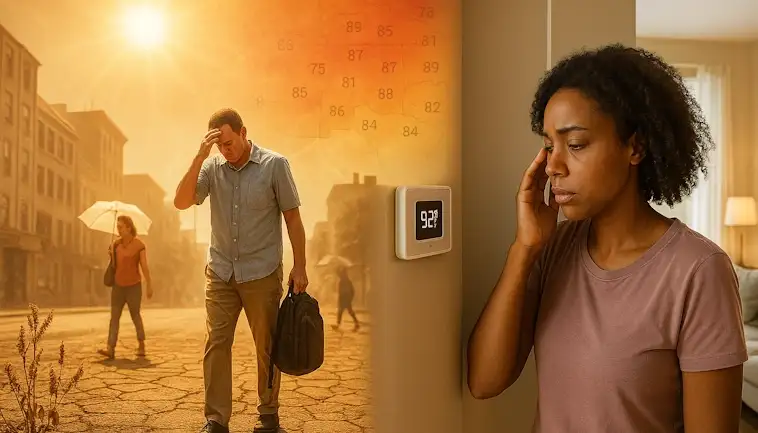
There’s something unsettling about stepping outside and feeling like you’ve walked into an oven—especially when it’s not even summer yet. Sudden, extreme jumps in temperature, known as temperature spikes, are becoming more frequent. They’re no longer rare, isolated events. They’re part of a broader pattern that’s reshaping how we live, work, and stay healthy.
Let’s break down what’s behind these sharp surges in heat and why they’re likely here to stay.
What’s Driving Temperature Spikes?
Climate Change: The Big Picture
Climate change is warming the planet overall, but it’s also making weather more unpredictable. As greenhouse gases trap more heat in our atmosphere, the earth doesn’t just get warmer in a gradual, even way. It experiences more extremes—including days or weeks of unusually high temperatures.
- Warmer global averages make heatwaves and spikes more intense.
- The jet stream, which usually keeps weather systems in check, becomes more unstable, leading to prolonged periods of heat in one region.
What used to be once-in-a-decade events are now popping up every year—or even multiple times a season.
Shifting Weather Patterns
Climate change also alters long-standing weather patterns. This means that:
- Heatwaves can appear earlier in the year and last longer.
- Dry areas become drier, making the land more prone to heat buildup.
- Sudden shifts from cool to hot weather become more common.
In many places, especially in the mid-latitudes, these shifts bring unexpected heat surges that catch people off guard.
Urban Heat Islands: Cities Amplify the Heat
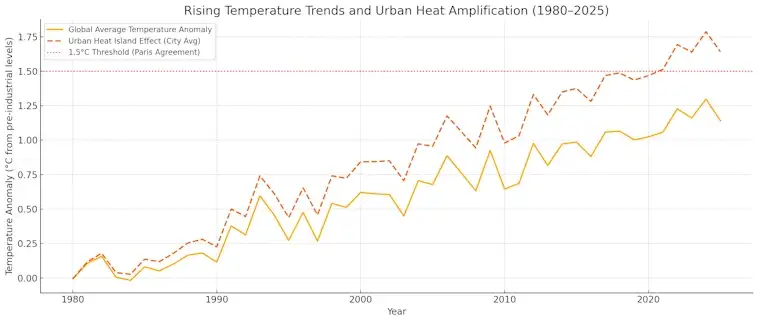
If you live in a city, you’ve probably felt it: nights that stay hot, even when the countryside cools down. That’s because cities create urban heat islands.
- Concrete, asphalt, and buildings absorb heat during the day and release it slowly at night.
- Fewer trees and green spaces mean less natural cooling.
- Air conditioners and vehicles add more heat into the mix.
This makes cities several degrees warmer than nearby rural areas. And when a heatwave hits, the impact is even more severe in urban centers.
Why This Matters
Temperature spikes aren’t just uncomfortable. They’re dangerous. They stress power grids, worsen air pollution, and increase health risks—especially for the elderly, children, and people with existing conditions. They also affect agriculture, damage infrastructure, and disrupt daily life.
Looking ahead, these spikes could become even more common unless serious action is taken to reduce emissions and rethink how we design cities.
What We Can Do
While we can’t stop every temperature spike, we can soften their impact:
- Plant more trees and create more green spaces in cities.
- Improve building designs to stay cooler without relying heavily on AC.
- Cut emissions to slow the pace of climate change.
- Upgrade infrastructure to handle heat extremes.
This is not just about adapting to a hotter world—it’s about shaping a more resilient one.
Health Risks You Might Not Expect
Hot days aren’t just uncomfortable—they can be dangerous. And as extreme heat becomes more common, it’s taking a growing toll on our bodies and minds. You might think you’re fine as long as you drink enough water or stay in the shade, but research tells a different story.
Extreme heat affects everyone—not just the elderly or sick, but also kids, outdoor workers, and even healthy adults. And it’s not only about heatstroke. From disrupted sleep to rising mental health struggles, the effects are showing up in ways we’re only starting to fully understand.
Let’s look at how rising temperatures are becoming a public health emergency.
Who’s Most at Risk?
Older Adults
Older people have a harder time regulating their body temperature. Add in common medications or underlying health conditions, and the risks rise sharply.
- Heat can worsen heart and lung diseases.
- Many seniors live alone or without reliable air conditioning.
- In places like Europe and the U.S., thousands of elderly die quietly during heatwaves each year.
Young Children
Kids, especially infants and toddlers, are also extremely vulnerable.
- Their bodies heat up faster.
- They rely on adults to keep them safe—hydrated, dressed properly, and out of the sun.
- Dehydration in children can develop quickly and become dangerous without early signs.
Outdoor and Manual Laborers
Construction workers, farmhands, delivery drivers—they often don’t have the luxury of escaping the heat.
- Long hours under direct sun can lead to heat exhaustion or heatstroke, especially without breaks.
- Sweating for hours leads to dehydration and electrolyte imbalances.
- Workers may push through symptoms because of job demands or lack of protections.
How Heat Affects All of Us
Even if you’re young, healthy, and live in an air-conditioned home, extreme heat can still get under your skin—literally and figuratively.
Heatstroke and Heat Exhaustion
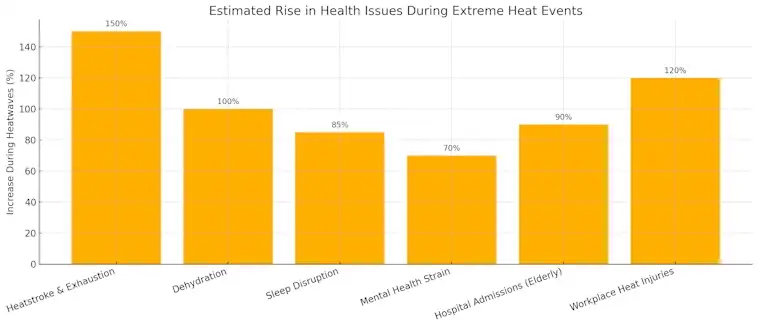
Your body can only cool itself so fast. Prolonged exposure—even in high-humidity conditions—can overwhelm the system.
- Dizziness, nausea, rapid heartbeat, and confusion are warning signs.
- Without cooling, heatstroke can be fatal within minutes.
Dehydration
It’s not just about being thirsty. Dehydration can cause:
- Headaches
- Kidney stress
- Cognitive fog
- Fainting or poor coordination
Sleep Disruption
Hot nights mean poor sleep. And that adds up.
- Lack of sleep impairs judgment, weakens immunity, and increases stress.
- Sleep loss from heat has been linked to higher accident rates and lower productivity.
Mental Health Strain
Heat can make people more irritable, anxious, or depressed. According to recent studies:
- Suicide rates and ER visits for mental health spikes during heatwaves.
- People with pre-existing mental illnesses are especially vulnerable.
What Public Health Experts Are Saying
- The World Health Organization warns that climate-driven heat is one of the top emerging global health threats.
- A 2023 study in The Lancet linked rising nighttime temperatures with cardiovascular stress and increased hospital admissions.
- The U.S. CDC has launched new initiatives to track heat-related illnesses in real time, urging cities to treat extreme heat like a natural disaster.
The message is clear: heat is no longer just a weather issue—it’s a health crisis.
How We Can Protect Ourselves and Others
Here’s what experts suggest to stay safe:
- Check on vulnerable neighbors, especially during heatwaves.
- Limit outdoor activity to early mornings or evenings.
- Use cooling centers, especially if your home doesn’t stay cool.
- Stay hydrated, and don’t wait until you feel thirsty.
- Wear light, breathable clothes and take breaks in the shade if you work outside.
Long-term, we’ll need bigger changes—like rethinking city design, investing in tree cover, and ensuring fair access to cooling for everyone.
How Heat Damages Where You Live
It’s easy to think of extreme heat as something that affects us only when we’re outdoors. But more and more, the heat is following us inside. Across the country—and the world—homes are cracking, cooling systems are failing, and utility bills are skyrocketing. Many of our houses, especially those built decades ago, simply weren’t designed for this kind of heat.
As temperatures break records year after year, it’s not just our health that’s under pressure—our homes are, too. Let’s take a look at what’s happening behind your walls, and what you can do to prepare.
How Extreme Heat Is Physically Changing Our Homes
Warping, Cracking, and Buckling Materials
Most homes were built for average historical weather—not for back-to-back 100°F days.
- Wood frames and siding expand and contract, leading to warping or cracking.
- Drywall and plaster can crack due to moisture loss or heat-induced shifts in foundations.
- Roofs—especially those with asphalt shingles—can buckle, melt, or shed granules faster in sustained heat.
If you see cracks growing around windows or doors sticking more than usual, it could be more than wear and tear—it could be heat damage.
Failing Cooling Systems
Air conditioners are working overtime. But not all systems are built for continuous high heat.
- Older units may overheat, leak coolant, or break down entirely.
- Ductwork in attics or crawlspaces gets so hot it reduces AC efficiency.
- Window units often fail on the hottest days—when you need them most.
Some utility providers even report increased brownouts or outages during extreme heat due to system overload.
Soaring Energy Bills
Running AC constantly isn’t cheap.
- In hot regions, cooling costs can make up more than 50% of a home’s energy bill during summer months.
- Poor insulation, old windows, and drafty doors can let cool air escape, forcing your system to work harder.
- Renters in older buildings often pay the highest price, especially if they’re stuck with inefficient window units and no say in upgrades.
Increased Fire Risk
Extreme heat dries out vegetation and even the materials around your home.
- Decks, fences, and roofing can become fire hazards in dry, hot conditions.
- HVAC units and overloaded outlets can spark fires when under stress.
- In wildfire-prone areas, homes with no defensible space or flame-resistant materials are especially vulnerable.
What It’s Costing Homeowners and Renters
According to recent estimates:
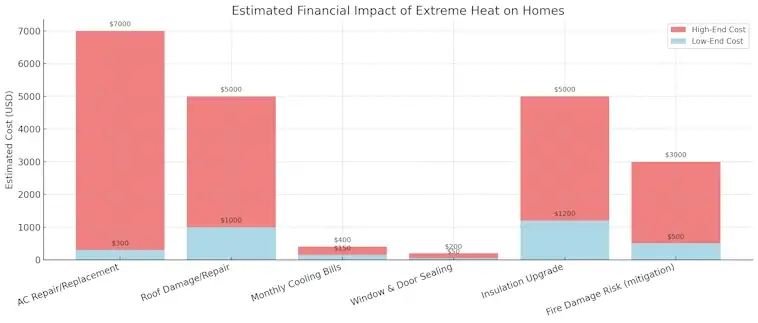
- The average AC repair now costs $300–$600, but full system replacements can run over $7,000.
- Roof repairs due to heat-related damage often start around $1,000.
- Monthly energy bills in summer can jump by 30–50% in areas hit by heatwaves.
And for renters, there’s often little recourse if landlords don’t maintain cooling systems or invest in energy-efficient improvements.
What You Can Do Now
You don’t have to overhaul your home to start making it more heat-resilient. Here are a few smart steps to consider:
Quick Upgrades
- Seal cracks and gaps around windows and doors.
- Install blackout curtains or reflective window film.
- Use fans to improve air circulation and reduce reliance on AC.
Long-Term Investments
- Upgrade insulation, especially in attics.
- Consider heat-reflective roofing or lighter-colored shingles.
- Install a programmable thermostat to avoid overcooling when no one’s home.
For Renters
- Ask landlords to install more efficient AC systems or provide ceiling fans.
- Track utility costs and report extreme spikes.
- Join with other tenants to advocate for weatherization improvements.
As temperatures keep rising, the homes that once felt like sanctuaries are now being tested. But by watching for early signs of heat stress and making small upgrades, we can keep our living spaces safer, cooler, and more affordable.
This isn’t just about staying comfortable—it’s about being ready for a hotter future.
Power Grids, Prices, and Climate Pressure
It starts with sweating through your shirt, turning up the AC, and maybe skipping a walk outside. But those sharp jumps in temperature—what we call temperature spikes—don’t stop at personal discomfort. They ripple out. They strain power grids, slow down farms and factories, and shake the very systems that keep modern life running.
Extreme heat isn’t just a weather story anymore. It’s an economic story. It’s a food story. It’s a transportation story. And it’s growing faster than we’re ready for.
Let’s look at how rising temperatures are quietly reshaping the world around us—and what it means for the future.
Electricity Grids Under Pressure
When the heat spikes, so does energy use—mostly from millions of people cranking up the AC at the same time.
- Utilities face record-breaking demand, especially in cities.
- This leads to rolling blackouts, brownouts, and overloaded transformers.
- Grid failures during heatwaves (like those in California or Texas in recent years) can leave entire regions without cooling at the most dangerous times.
The Cost:
- Power outages disrupt hospitals, transit, and communications.
- Repairing heat-damaged infrastructure is expensive.
- Utility bills spike, hitting lower-income households hardest.
Struggling Food Systems
Crops aren’t built for sudden bursts of extreme heat—especially during key growth stages.
- High heat stunts crop yields, dries out soil, and accelerates plant stress.
- Animals in feedlots or barns suffer, eat less, and grow more slowly.
- Farmers face higher costs for irrigation, cooling systems, and crop insurance.
The Cost:
- Food prices rise, especially for heat-sensitive crops like lettuce, grains, and fruit.
- Supply chain disruptions lead to empty shelves or expensive imports.
- Long-term heat patterns threaten the stability of entire agricultural regions.
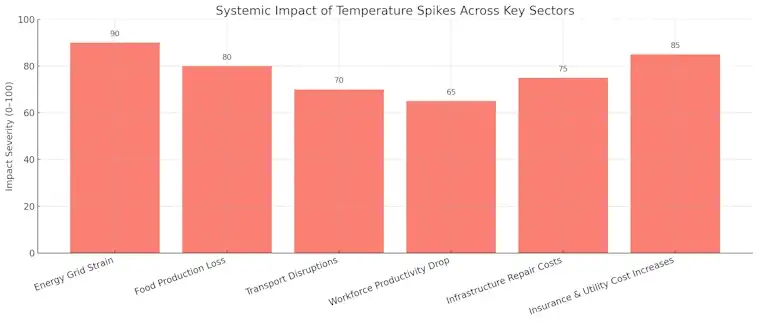
Transportation Grids Slow Down or Break
Extreme heat causes problems across transportation systems:
- Roads soften or buckle, leading to accidents and detours.
- Train tracks expand and warp, forcing rail companies to slow speeds or cancel routes.
- Planes are delayed because runways overheat or because air density changes make takeoff harder.
The Cost:
- Business shipments are delayed.
- Commuters and travelers lose time and money.
- Infrastructure repairs add up for cities already stretched thin.
Economic Instability and Inequality
Temperature spikes affect everyone, but not equally.
- Outdoor workers face lost wages and health risks.
- Office productivity drops as buildings overheat or staff call out sick.
- Insurance companies raise premiums in high-heat regions, adding another burden for homeowners and businesses.
The Cost:
- Small businesses and vulnerable workers take the biggest financial hit.
- Insurance, healthcare, and utility sectors all see rising stress.
- Inequality widens as wealthier people adapt and others fall further behind.
Why This Matters
It’s tempting to treat heat as a temporary nuisance. But it’s more than that. Heat is now a systemic threat—touching everything from your grocery store to your Wi-Fi router.
The next time you experience a heatwave, think beyond your thermostat. It’s also:
- Why your salad costs more.
- Why your train is late.
- Why your neighbor’s power just went out.
Temperature spikes aren’t just turning up the heat. They’re testing how prepared we really are.
What Can Be Done
- Invest in modern, resilient energy grids that can handle heat surges.
- Protect farm workers and crops through smarter irrigation and cooling.
- Upgrade roads, rails, and transit to withstand heat extremes.
- Create emergency heat response plans in every city—not just for health, but for systems.
These aren’t luxuries. They’re investments in stability.
Practical Moves You Can Make Today
When the heat cranks up, it’s easy to feel powerless. Whether it’s an unexpected spike or a long summer heatwave, the effects are draining—physically, financially, emotionally. But there’s good news: you don’t have to wait around sweating it out. With a few smart moves, you can protect your health, your home, and your wallet.
Preparing for extreme heat isn’t just for survivalists or off-the-grid types. It’s for all of us—especially now that heatwaves are longer, hotter, and more frequent. Below are some actionable, affordable, and even tech-savvy strategies to help individuals and families stay cool and resilient.
Short-Term Tips: Stay Cool, Stay Safe
Hydration Is Non-Negotiable
- Drink water regularly, not just when you’re thirsty.
- Avoid alcohol and caffeine in extreme heat—they dehydrate you.
- Keep a reusable water bottle with you at all times.
Cool Your Space (and Yourself) Efficiently
- Close blinds or curtains during the day to block out heat.
- Use fans strategically to push hot air out and cool air in.
- Freeze washcloths or mist yourself with cool water for quick relief.
Dress and Rest Wisely
- Wear loose, light-colored clothing.
- Avoid outdoor activities during the hottest parts of the day (usually 12–4 p.m.).
- Take cool showers or soak feet in cold water to quickly lower your core temp.
Create a Go-To Cool Zone
- Identify a local cooling center (library, community center, mall).
- Make a habit of checking on elderly neighbors or relatives during heatwaves.
- Keep emergency fans, water, and battery backups on hand in case of power outages.
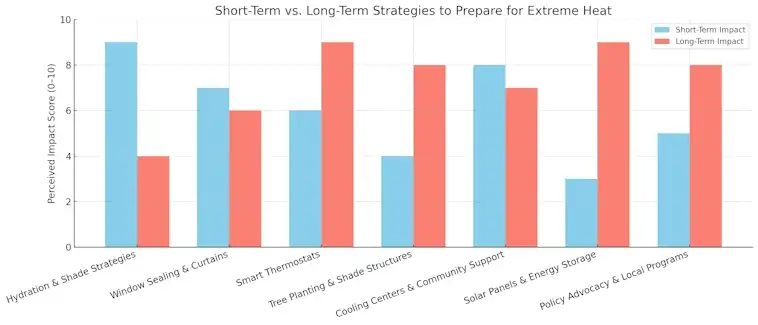
Long-Term Tips: Build Heat Resilience at Home and in Your Community
Low-Cost, High-Impact Home Fixes
- Weather-strip doors and windows to keep cool air in.
- Plant trees or add window awnings to shade sun-exposed walls.
- Add reflective film or solar screens to south
- and west-facing windows.
Tech-Forward Upgrades
- Install a smart thermostat to automatically adjust temps when you’re away.
- Use energy-efficient fans and appliances to reduce cooling costs.
- Consider solar panels or battery backups to stay powered during blackouts.
Larger Investments Worth Considering
- Upgrade to high-efficiency AC or mini-split systems.
- Improve attic insulation or switch to a cool (reflective) roof.
- Add ceiling fans to rooms without existing airflow.
Get Involved and Advocate for Change
You’re not alone in this. Heat is a collective challenge—and collective action matters.
- Support local cooling center funding or climate resilience plans.
- Encourage schools and workplaces to create heat safety protocols.
- Advocate for tree planting programs, shaded transit stops, and green roofs in your area.
- Stay informed about utility assistance programs or rebates for energy upgrades.
You Have More Power Than You Think
Extreme heat is a growing reality. But preparation is power—and even small steps can make a big difference. Whether you’re filling up a water bottle, planting a tree, or urging your city council to fund heat protections, you’re doing more than staying cool.
You’re building resilience—for yourself, your family, and your community.
Conclusion
As temperature spikes become more frequent and intense, the effects are showing up everywhere—from our energy bills and food supply to our sleep, safety, and peace of mind. This isn’t just a climate issue. It’s a health issue, a home issue, and a community challenge. And it’s already reshaping the world we live in.
But with awareness comes power. We can protect ourselves and each other with better planning, smarter infrastructure, and everyday choices that help us stay safe and resilient. Whether it’s sealing up a drafty window, checking on a neighbor during a heatwave, or pushing for greener policies in your city, every action matters.
The heat is rising—but so can our readiness.